
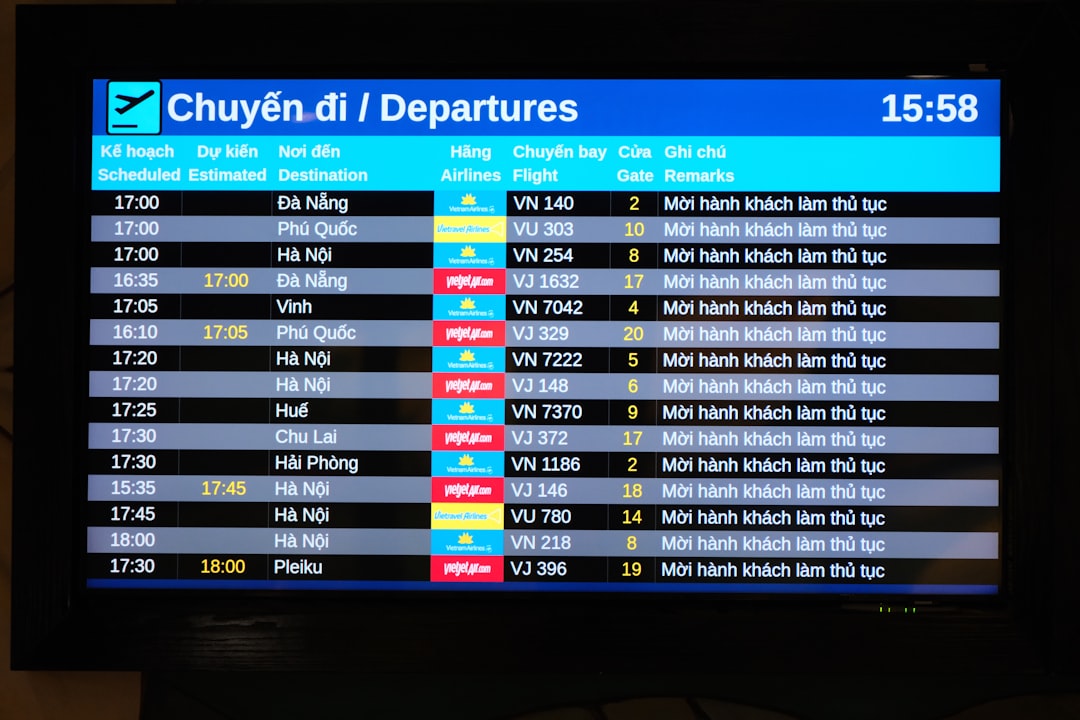
In today’s highly competitive travel industry, travel booking engines play a central role in enabling seamless reservation management across airlines, hotels, tour operators, and online travel agencies. As consumer expectations shift toward instant confirmation, personalized offers, and frictionless digital experiences, organizations must rely on sophisticated booking platforms to remain relevant and profitable. A well-implemented booking engine does far more than process transactions—it orchestrates inventory, pricing, customer data, and operational workflows in a cohesive ecosystem.
TL;DR: Travel booking engines are advanced software systems that manage reservations, inventory, pricing, and customer data in real time. They help travel businesses streamline operations, improve accuracy, and enhance customer experiences. With automation, integrations, and analytics capabilities, modern booking engines are essential for scalability and profitability. Choosing the right system requires careful consideration of reliability, flexibility, and integration features.
What Is a Travel Booking Engine?
A travel booking engine is a software application that enables customers and agents to search, compare, and reserve travel services online. These services may include:
- Flights
- Hotel accommodations
- Car rentals
- Cruises
- Vacation packages
- Activities and tours
At its core, the booking engine connects user-facing interfaces—such as websites or mobile apps—with backend systems that manage availability, rates, and confirmations. Modern solutions integrate with global distribution systems (GDS), property management systems, airline reservation systems, and third-party APIs to provide accurate, real-time information.
The true value of a booking engine lies in its ability to automate complex reservation workflows while minimizing manual intervention. This reduces errors, enhances efficiency, and ensures higher levels of customer satisfaction.
Core Components of Reservation Management
Effective reservation management requires coordination across multiple operational layers. A reliable booking engine typically includes the following core components:
1. Inventory Management
This module maintains real-time availability of rooms, seats, vehicles, or tour slots. It dynamically updates inventory as reservations are made or modified, preventing overbooking and double reservations.
2. Pricing and Rate Management
Advanced engines support dynamic pricing models that adjust rates based on demand, seasonality, promotions, and occupancy levels. Automated rate management ensures competitiveness without sacrificing profit margins.
3. Payment Processing
Secure payment gateways are integrated to process credit cards, digital wallets, and alternative payment methods. Compliance with security standards such as PCI DSS is critical to protect customer data.
4. Confirmation and Communication Tools
Automated email and SMS confirmations, itinerary updates, and cancellation notifications improve transparency and customer trust.

Benefits of Travel Booking Engines
When implemented properly, booking engines provide a number of strategic and operational advantages.
Operational Efficiency
Automation reduces dependency on manual processes, minimizing human error and saving valuable staff time. Reservations can be processed 24/7 without additional labor costs.
Real-Time Accuracy
Instant synchronization of availability and pricing across channels eliminates discrepancies. This ensures customers receive accurate information at all times.
Expanded Distribution
Through integration with online marketplaces, affiliate networks, and GDS platforms, businesses can distribute inventory globally. This expands reach while maintaining centralized control.
Improved Customer Experience
Modern consumers expect self-service options, personalization, and fast checkout processes. Booking engines enable tailored recommendations, saved traveler profiles, and streamlined rebooking.
Data and Analytics
Comprehensive reporting tools provide insights into:
- Sales performance
- Booking trends
- Revenue per available unit
- Customer behavior
- Cancellation rates
These insights support informed decision-making and more effective revenue strategies.
Integration Capabilities
A key indicator of a strong reservation management system is its ability to integrate seamlessly with other platforms. Travel businesses typically rely on interconnected technologies, including:
- Customer Relationship Management (CRM) systems
- Enterprise Resource Planning (ERP) software
- Accounting systems
- Channel managers
- Third-party travel APIs
Through API connectivity, booking engines synchronize data in real time across multiple systems. This integration reduces silos and ensures consistent information flow.
For example, when a hotel room is booked through an online agency, inventory levels automatically update in the property management system, accounting software records the transaction, and the CRM captures guest preferences. Such coordination strengthens operational coherence.

Cloud-Based vs. On-Premise Solutions
Organizations must decide whether to deploy cloud-based or on-premise booking engines. Each model offers distinct advantages.
Cloud-Based Systems
- Lower upfront infrastructure costs
- Automatic updates and maintenance
- Remote accessibility
- Scalable capacity during peak demand
Cloud solutions are particularly beneficial for growing businesses seeking agility and cost predictability.
On-Premise Systems
- Greater control over data
- Customization flexibility
- Internal IT oversight
However, on-premise systems often require higher capital investment and dedicated technical resources.
For many travel organizations, the trend has shifted toward cloud-first strategies due to the need for global accessibility and rapid innovation cycles.
Security and Compliance Considerations
Reservation management systems process highly sensitive data, including personal identification details and payment information. A trustworthy booking engine must prioritize:
- Data encryption (both at rest and in transit)
- Role-based access controls
- Multi-factor authentication
- Compliance with global data protection regulations
Failure to maintain strong security standards can result in reputational damage, financial loss, and regulatory penalties. Vendors must demonstrate proven reliability, regular security audits, and transparent policies.
Customization and Scalability
No two travel businesses operate identically. A tour operator’s needs differ from those of an international airline or boutique hotel group. Therefore, flexibility is essential.
A scalable booking engine allows organizations to:
- Add new properties or destinations
- Launch promotional campaigns
- Offer bundled packages
- Expand into new geographic markets
Customization should extend to branding as well. White-label solutions enable consistent brand experiences while leveraging powerful backend infrastructure.

Challenges in Implementing Booking Engines
Despite their many advantages, introducing a booking engine is not without challenges.
System Integration Complexity
Connecting legacy systems with modern APIs may require structured migration plans and technical expertise.
Change Management
Staff must adapt to new workflows and tools. Proper training programs are essential to maximize return on investment.
Initial Setup Costs
Configuration, customization, and integration expenses can be substantial. However, long-term efficiency gains typically outweigh upfront costs.
Future Trends in Travel Booking Technology
The evolution of booking engines continues rapidly. Emerging innovations include:
- Artificial intelligence-driven personalization
- Predictive analytics for demand forecasting
- Voice-based booking interfaces
- Contactless and biometric authentication
- Blockchain for secure transaction verification
AI-powered systems are increasingly capable of recommending tailored travel packages based on user behavior and historical data. Predictive tools help businesses anticipate seasonal fluctuations and adjust pricing proactively.
As digital transformation accelerates, travel booking engines will move beyond simple reservation tools to become intelligent ecosystems that anticipate traveler needs.
Selecting the Right Travel Booking Engine
Choosing a reservation management platform requires careful evaluation. Decision-makers should consider:
- System reliability and uptime guarantees
- Integration compatibility
- Scalability potential
- Security certifications
- Vendor reputation and support services
Requesting demonstrations, reviewing case studies, and conducting pilot tests can help ensure alignment with operational objectives.
A strategic approach to selection emphasizes long-term partnership rather than short-term functionality. The right booking engine will evolve alongside the organization’s growth trajectory.
Conclusion
Travel booking engines have become indispensable pillars of reservation management. By integrating inventory control, pricing automation, secure payment processing, and customer engagement tools, they create a unified operational environment. Beyond efficiency, these systems enhance customer trust and support data-driven growth strategies.
As the travel industry continues to digitize, organizations that invest in scalable, secure, and intelligent booking engines position themselves for sustained competitiveness. In an environment defined by real-time expectations and global connectivity, robust reservation management technology is not merely an advantage—it is a necessity.