
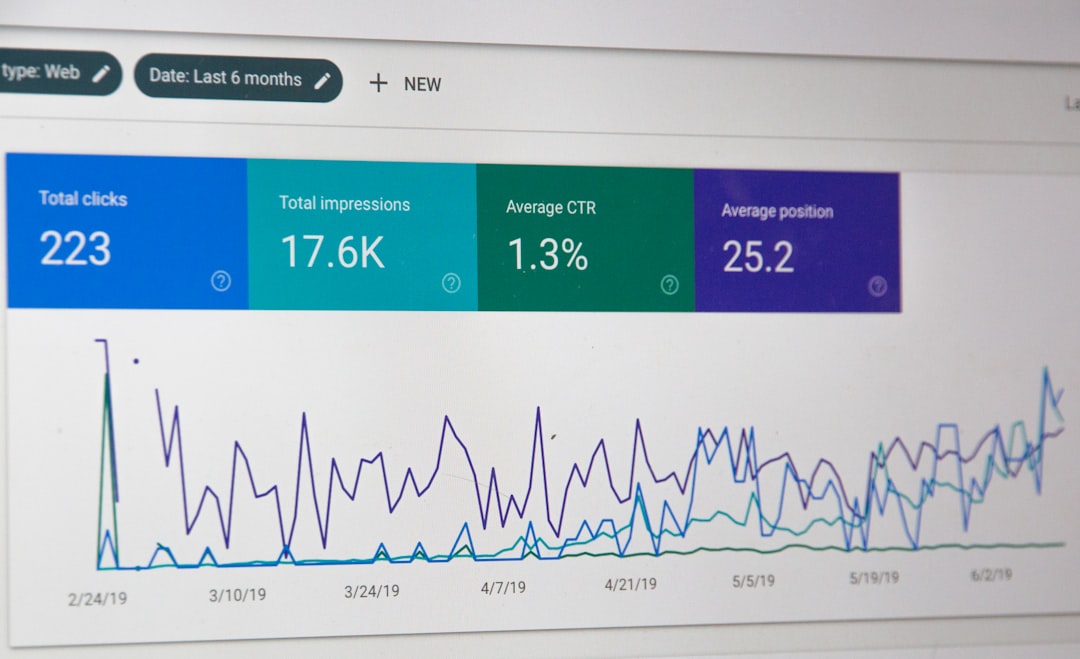
Modern applications are complex, distributed, and expected to deliver flawless user experiences across devices and networks. As user expectations grow and competition intensifies, organizations can no longer rely solely on backend metrics to measure performance. Frontend monitoring software has become a critical component of application health management, offering direct visibility into what users actually experience. By observing performance, errors, usability patterns, and rendering behavior in real time, frontend monitoring tools help teams prevent revenue loss, reputational damage, and operational instability.
TLDR: Frontend monitoring software provides real-time visibility into how users experience your application, tracking performance, errors, and usability issues directly in the browser or client environment. Unlike backend monitoring, it captures metrics such as load times, rendering delays, and JavaScript errors that directly affect customers. Organizations use it to detect issues early, optimize performance, and protect revenue. In today’s digital landscape, it is an essential investment for maintaining application health and customer trust.
The Growing Importance of Frontend Visibility
Traditional monitoring strategies focused heavily on servers, databases, and infrastructure. While backend performance remains essential, it does not fully reflect what users see. An application can show healthy server response times while still suffering from slow rendering, broken scripts, or third-party integration issues in the browser.
Frontend monitoring software bridges this gap by gathering telemetry directly from users’ devices. It observes real browser conditions, operating systems, connection speeds, and geographic distribution. This user-centric perspective ensures that monitoring aligns with business outcomes rather than abstract infrastructure metrics.
Without frontend monitoring, organizations risk:
- Undetected JavaScript errors impacting certain browsers
- Slow page rendering despite fast APIs
- Broken UI components after deployments
- Performance degradation caused by third-party services
- Poor mobile performance affecting conversion rates
In a market where seconds of delay translate into measurable revenue losses, this visibility is indispensable.
How Frontend Monitoring Software Works
Frontend monitoring solutions typically use lightweight scripts embedded into applications. These scripts collect data about user interactions, device characteristics, network performance, and application behavior. The data is transmitted securely to centralized dashboards for aggregation and analysis.
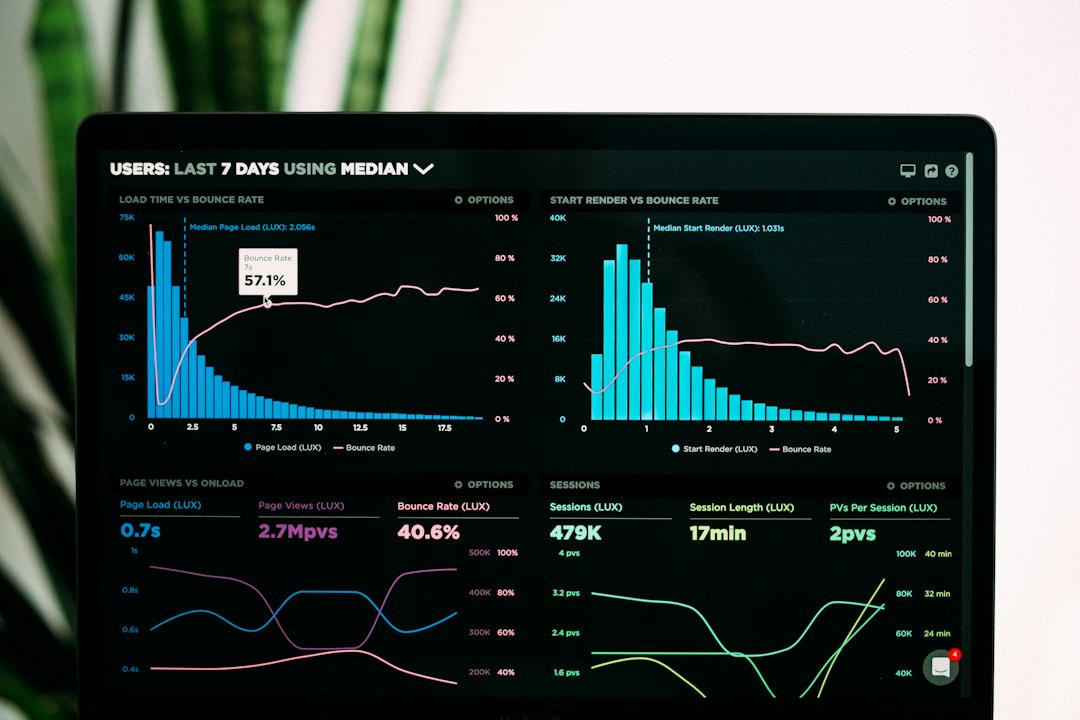
Two primary approaches are commonly used:
- Real User Monitoring (RUM): Captures data from actual users in real time, reflecting true performance conditions.
- Synthetic Monitoring: Uses automated scripts to simulate user interactions at scheduled intervals.
RUM provides authentic insights into genuine user experiences, while synthetic monitoring offers controlled testing environments for proactive detection. Many mature organizations deploy both methods for comprehensive coverage.
Core Metrics Tracked by Frontend Monitoring Tools
Effective frontend monitoring software tracks a range of performance and behavioral indicators. These often include:
- Page Load Time: The total time required for a page to fully load.
- First Contentful Paint (FCP): Time until the first visible content appears.
- Largest Contentful Paint (LCP): Measures perceived loading performance.
- Time to Interactive (TTI): When the page becomes fully interactive.
- JavaScript Errors: Script failures affecting user functionality.
- Network Latency: Round-trip time between client and server.
- User Session Traces: Visibility into workflows and bottlenecks.
By monitoring these indicators consistently, organizations can track trends, identify regressions after deployments, and ensure alignment with performance standards such as Core Web Vitals.
Business Impact of Frontend Performance
Performance is not merely technical; it is directly tied to financial results. Studies consistently show that even minor delays in loading times can decrease conversion rates and increase bounce rates. Users expect responsiveness across all devices, particularly on mobile, where network conditions fluctuate.

When frontend issues occur:
- Customers abandon transactions
- Support tickets increase
- Brand perception deteriorates
- Search engine rankings decline
Frontend monitoring software enables rapid detection and response, reducing mean time to resolution (MTTR) and limiting the scope of incidents. By identifying performance degradation early, teams can correct issues before they escalate into revenue-impacting outages.
Error Tracking and Debugging
Beyond performance metrics, frontend monitoring tools play a critical role in error diagnosis. JavaScript errors, broken API responses, and incomplete resource loads can all disrupt user journeys. Without visibility into what users encounter, debugging becomes speculative and inefficient.
Advanced monitoring solutions capture:
- Error stack traces with contextual metadata
- Browser and device information
- User session replay data
- Interaction histories preceding the issue
This contextual insight enables development teams to reproduce issues accurately and deploy targeted fixes. Instead of relying on vague user reports, engineers receive structured, actionable information.
User Experience and Behavioral Insights
Frontend monitoring extends beyond technical diagnostics. It also sheds light on how users interact with an application. Heatmaps, click tracking, and session recordings provide valuable insight into usability and navigation patterns.
This data allows organizations to:
- Identify friction points in checkout flows
- Optimize layout for better engagement
- Detect abandoned sessions tied to performance slowdowns
- Guide UX redesign decisions with empirical evidence
When performance metrics are combined with behavioral insights, businesses gain a comprehensive understanding of user satisfaction and application health.
Security and Privacy Considerations
Implementing frontend monitoring requires careful attention to data protection. Since monitoring tools collect user-side information, organizations must ensure compliance with regulations such as GDPR and other privacy standards.
Best practices include:
- Anonymizing personal identifiers
- Encrypting transmitted data
- Providing transparent privacy disclosures
- Using secure data storage practices
Trustworthiness in monitoring extends beyond technical effectiveness; it also involves responsible governance and ethical data handling.
Integration with DevOps and Observability
Frontend monitoring is most effective when integrated into a broader observability strategy. Modern application environments are distributed across microservices, cloud infrastructure, and third-party APIs. Isolated frontend metrics, while useful, are even more powerful when correlated with backend and infrastructure data.
By connecting frontend monitoring with logging systems, backend tracing tools, and incident management platforms, organizations create a unified operational view. This integrated approach allows teams to pinpoint root causes quickly — for example, distinguishing between a frontend rendering issue and a backend latency spike.
In DevOps environments, frontend monitoring supports:
- Continuous integration and deployment validation
- Performance budgets enforced during release cycles
- Automated alerts triggered by threshold violations
- Data-driven improvement iterations
This proactive stance shifts monitoring from reactive firefighting to continuous optimization.
Selecting the Right Frontend Monitoring Solution
Choosing appropriate frontend monitoring software requires evaluating several criteria aligned with organizational goals. Decision-makers should consider:
- Scalability: Can the solution handle growing traffic volumes?
- Real-Time Capabilities: How quickly are anomalies detected and reported?
- Data Granularity: Does it offer detailed session-level insights?
- Integration Options: Does it work seamlessly with existing tools?
- Ease of Deployment: How much engineering effort is required?
Cost considerations must balance software pricing against potential revenue loss from undetected performance issues. In many cases, the return on investment becomes evident after preventing just a single major outage.
The Future of Frontend Monitoring
Emerging technologies continue to reshape frontend monitoring capabilities. Artificial intelligence and machine learning models are increasingly used to identify anomalies, predict performance degradation, and recommend optimizations automatically.
As applications rely more heavily on single-page architectures, progressive web apps, and complex client-side frameworks, granular monitoring will become even more essential. Additionally, the expansion of IoT devices and varied user environments introduces new demands on observability practices.
The most forward-looking organizations treat frontend monitoring not as a supplementary tool, but as a strategic safeguard. It influences design decisions, release planning, and long-term digital strategy.
Conclusion
Frontend monitoring software is a foundational element of modern application health management. It provides direct insight into user experiences, enabling organizations to measure what truly matters: usability, responsiveness, and reliability. By tracking performance metrics, capturing errors, analyzing behavior, and integrating with broader observability frameworks, businesses gain a complete picture of their application environment.
In a digital ecosystem where customer expectations are uncompromising, overlooking frontend performance is no longer viable. Organizations that invest in comprehensive frontend monitoring demonstrate operational maturity, protect revenue streams, and reinforce user trust. Ultimately, observing app health from the user’s perspective is not merely a technical enhancement — it is a strategic imperative.