
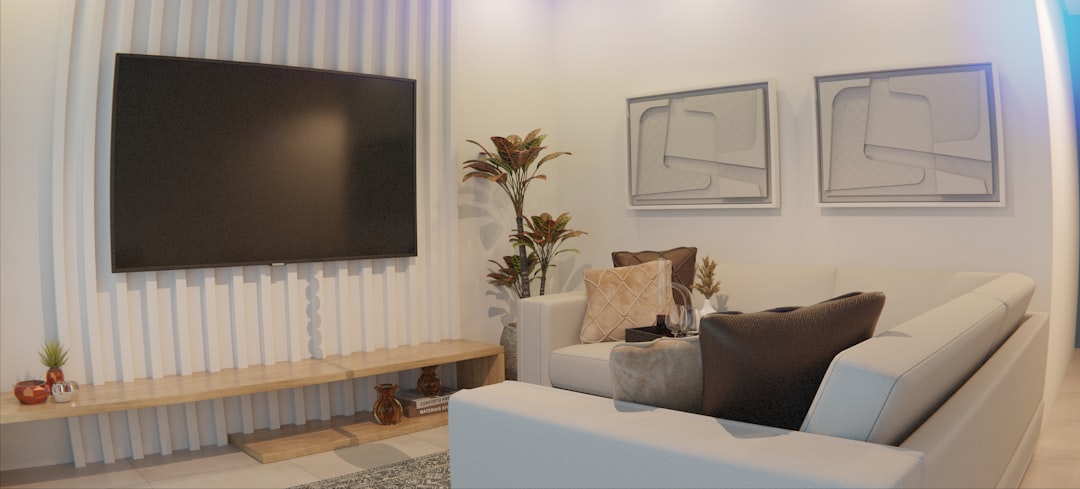
Interior design software has changed from a helpful visualization aid into a serious decision-making platform. In 2026, the best AI interior design tools are advanced because they combine spatial intelligence, generative design, product data, renovation planning, and user personalization in ways that were not reliable even a few years ago. These systems no longer simply show what a room might look like; they help homeowners, designers, landlords, and retailers make practical choices with greater confidence.
TLDR: The best AI interior design tools in 2026 are advanced because they understand rooms more accurately, generate realistic design options, and connect visual ideas with real-world products, budgets, and constraints. Improvements in computer vision, 3D modeling, generative AI, and augmented reality have made them more useful and trustworthy. They are not replacing professional designers, but they are making design planning faster, more accessible, and more data-driven.
AI Interior Design Has Moved Beyond Simple Room Mockups
Early AI design tools often produced attractive but unrealistic images. A sofa might look beautiful but appear at the wrong scale. Lighting could be dramatic but physically impossible. Materials might look luxurious without reflecting real cost, durability, or availability. By 2026, the leading tools have become more advanced because they address these practical weaknesses.
Modern platforms can analyze room dimensions, detect architectural features, identify windows and doors, and estimate how furniture will fit in a space. Instead of treating interior design as a flat image problem, they increasingly treat it as a spatial planning problem. This matters because interior design is not only about appearance. It is also about movement, comfort, safety, light, storage, acoustics, and the daily behavior of people using the space.
Better Computer Vision Makes Room Understanding More Accurate
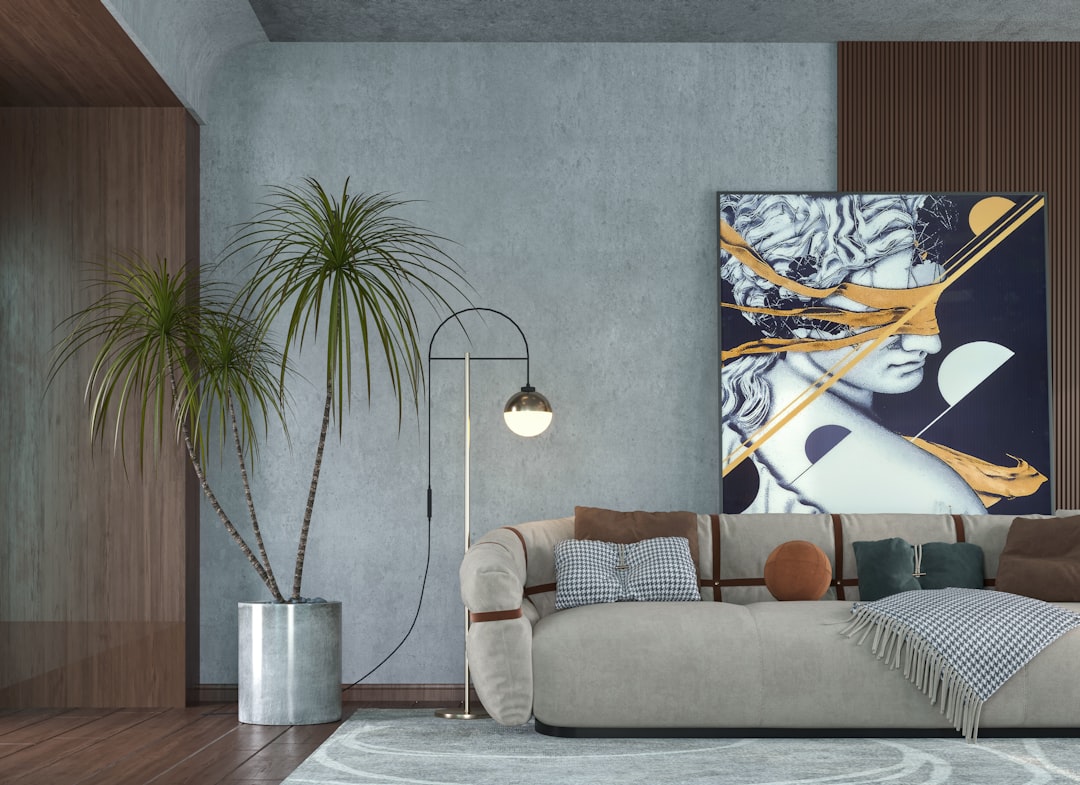
One major reason AI interior design tools are so advanced in 2026 is the rapid improvement of computer vision. With a few photos or a short video scan, these systems can interpret a room’s layout more precisely than earlier tools. They can identify walls, floors, ceilings, furniture, fixtures, and built-in elements. Many can distinguish between a structural wall and a movable object, which is crucial for realistic renovation planning.
This improved room understanding helps users avoid common mistakes. For example, an AI tool may recognize that a proposed dining table blocks a walkway, that a sectional sofa is too large for the available area, or that a rug size is visually unbalanced. The best systems use these observations to make recommendations that are not just stylish, but also functional.
Accurate perception is the foundation of credible design automation. Without it, AI-generated rooms may look impressive while failing in real life. In 2026, the strongest tools are advanced because they are grounded in better visual and spatial data.
Generative AI Creates More Useful Design Variations
Generative AI is another central reason these tools have become more powerful. Users can request a Scandinavian bedroom, a warm minimalist office, a luxury hotel-inspired bathroom, or a child-friendly family room, and receive several coherent options in seconds. However, the most advanced tools do more than apply a decorative style. They generate variations based on constraints such as room size, budget, preferred colors, lighting conditions, and existing furniture.
This is important because good design rarely comes from a single image. It comes from comparison, revision, and refinement. An AI tool can quickly show multiple directions, helping users understand what they like and what they do not like. A professional designer might then use those outputs as a starting point for deeper creative and technical work.
In 2026, the best systems are also better at maintaining consistency. They can keep the same room layout while changing materials, or preserve a color palette while trying different furniture arrangements. This makes the design process more controlled and less random.
3D Modeling and Digital Twins Make Results More Realistic
Advanced AI interior design tools increasingly rely on 3D digital twins: virtual versions of real rooms. Instead of generating a single attractive image, these tools construct a model that can be viewed from different angles. This allows users to inspect how a design works across the entire space.
Digital twins are especially useful for renovations, rentals, retail planning, and property staging. They allow changes to be tested before money is spent. A user can compare floor finishes, wall colors, cabinetry, lighting, and furniture scale in a controlled environment. Some tools also simulate natural light at different times of day, which helps users understand how a color or material may appear in morning light versus evening light.

This level of realism is one reason AI interior design tools feel more serious in 2026. They are not simply producing decorative inspiration; they are helping users evaluate design decisions before committing to purchases or construction.
Augmented Reality Has Become More Practical
Augmented reality, or AR, has existed for years, but it has become more practical as mobile cameras, depth sensors, and AI-based tracking have improved. In interior design, AR allows users to place virtual furniture, lighting, artwork, or decor into a real room through a phone, tablet, or headset.
In 2026, the strongest AI tools use AR not only for visualization but also for validation. They can help estimate whether an item fits, whether its proportions make sense, and whether it conflicts with existing objects. This reduces uncertainty, especially for expensive purchases such as sofas, dining tables, beds, and built-in storage.
For retailers, AR-supported AI design can reduce returns. For homeowners, it can reduce hesitation. For designers, it can improve communication with clients who struggle to understand floor plans or mood boards. The result is a more practical and transparent design process.
Product Data Is Now Integrated With Design Recommendations
Another major advancement is the integration of product catalogs, pricing, availability, dimensions, materials, and delivery information. Earlier tools often generated rooms filled with fictional furniture. While visually appealing, these images left users asking a basic question: Where can I actually buy this?
By 2026, many leading AI interior design systems connect design concepts with real products or close alternatives. This allows users to move from inspiration to action. A tool may suggest a sofa that matches the generated concept, provide several price ranges, recommend durable fabrics for households with pets, or identify lighting fixtures that fit the scale of the room.
This shift is critical because interior design is highly dependent on execution. A beautiful concept has limited value if the items are unavailable, unaffordable, or unsuitable for the room. The best AI tools are advanced because they link aesthetics with practical sourcing.
Personalization Has Become More Sophisticated
AI interior design tools in 2026 are also more advanced because they can learn from personal preferences. Instead of relying only on broad style labels such as “modern” or “bohemian,” they can interpret more specific patterns: preferred wood tones, tolerance for clutter, interest in bold colors, need for storage, sensitivity to maintenance, and lifestyle requirements.
For example, a household with children may need washable fabrics, rounded edges, and flexible storage. A small apartment owner may prioritize multifunctional furniture. A remote worker may need better lighting, acoustics, and ergonomic planning. A pet owner may need scratch-resistant surfaces and easy-to-clean rugs.
The best tools use these details to make recommendations that feel more relevant. This is where AI becomes especially useful: it can process many small constraints at once and produce options that balance style with real-life needs.
Budgeting and Planning Features Make AI More Reliable
Trustworthy interior design is not only creative; it is financial. In 2026, advanced AI tools often include budget planning, cost estimation, and phased project recommendations. These features help users understand whether a design is realistic before they begin buying materials or hiring contractors.
A serious tool may separate a project into categories such as:
- Furniture: sofas, tables, beds, storage, and seating.
- Finishes: flooring, paint, tile, wall panels, and countertops.
- Lighting: ceiling fixtures, lamps, task lighting, and accent lighting.
- Labor: installation, painting, electrical work, carpentry, or plumbing.
- Decor: rugs, art, curtains, cushions, plants, and accessories.
Some systems can also recommend lower-cost alternatives without destroying the overall design concept. This makes them useful for users who want a polished result but need to control spending. It also helps professionals communicate trade-offs more clearly.
AI Can Combine Design Rules With Data
Interior design involves many established principles: balance, proportion, rhythm, contrast, scale, color harmony, and focal points. The best AI tools in 2026 are advanced because they can apply these principles while also learning from large amounts of design data.
This combination is powerful. A tool can recognize that a room lacks contrast, that furniture is visually heavy on one side, or that lighting is insufficient for the intended use. It can suggest a larger rug, a warmer paint color, a different curtain height, or layered lighting. These suggestions are not always equal to expert human judgment, but they are increasingly informed and useful.
Importantly, reliable AI tools are becoming better at explaining their recommendations. Instead of simply presenting an image, they may explain that a mirror will increase perceived brightness, a larger rug will unify the seating area, or vertical storage will make better use of a small room. Explanation builds trust.
Professional Designers Are Using AI as a Productivity Tool
The advancement of AI interior design tools does not mean that experienced designers are no longer needed. In serious projects, human expertise remains essential for client interpretation, construction knowledge, material quality, building codes, contractor coordination, and final judgment. However, AI can make professionals more productive.
Designers can use AI to generate early concepts, test color palettes, create client presentations, compare layouts, and speed up revisions. This can reduce time spent on repetitive visualization tasks and allow more attention to be placed on strategy, detailing, and client service.
For clients, this can make the process more transparent. They can see alternatives earlier, understand choices better, and participate more actively in decisions. The most advanced AI tools are not replacing the designer-client relationship; they are making it more visual and efficient.
Limitations Still Matter
Even in 2026, AI interior design tools are not perfect. Users should be cautious about treating every recommendation as authoritative. AI may misread unusual architecture, underestimate installation complexity, suggest impractical materials, or produce designs that look better on screen than in physical space.
There are also privacy considerations. Room scans and home images can reveal personal information, valuable possessions, and household routines. Serious tools should offer clear data policies, user control over stored images, and responsible security practices.
Another limitation is taste. AI can identify patterns and generate attractive results, but it may not fully understand emotional attachment, cultural meaning, family history, or the subtle atmosphere a person wants in their home. These human factors remain central to good design.
Why 2026 Is a Turning Point
The best AI interior design tools in 2026 are advanced because several technologies have matured at the same time. Computer vision understands rooms better. Generative AI produces more coherent design options. 3D modeling and AR make visualization more realistic. Product integration connects ideas with actual purchases. Personalization and budgeting make recommendations more practical.
Together, these improvements make AI interior design more trustworthy than earlier versions. The tools are no longer just novelty generators for attractive images. They are becoming planning systems that support decisions about space, cost, style, and usability.
For homeowners, this means more confidence before buying or renovating. For professionals, it means faster workflows and clearer communication. For retailers and property businesses, it means better visualization and fewer mismatches between expectation and reality.
The most important reason these tools are so advanced is not that AI has become magically creative. It is that AI is now better connected to the real conditions of design: measurements, materials, budgets, products, light, lifestyle, and human preference. That connection is what makes the technology genuinely useful in 2026.