
Runway is the safer pick for polished AI video work, while Pika is better for playful edits and Luma Dream Machine is often stronger for fast, realistic motion tests. Runway’s jump from Gen-2 to Gen-3 Alpha matters because Gen-3 was built for better motion, subject consistency, and visual quality, according to Runway’s own release notes [source: Runway].
TLDR: Choose Runway Gen-3 if you need cleaner shots for ads, brand videos, or short films. Pick Luma Dream Machine when you want quick cinematic motion from a simple prompt, such as “a drone shot over a foggy city at sunrise.” Use Pika for social clips, effects, and quick remixing. In a 10-shot test workflow, expect Runway to win on usable final clips, while Pika may need more retries but gives you more fun editing options.

Runway Gen-2 vs Gen-3: what changed?
Gen-2 made Runway popular because it gave creators text-to-video and image-to-video in a clean web app. It was useful, but it had common AI video problems. Faces could drift. Hands broke. Camera moves looked good for two seconds, then went odd.
Gen-3 Alpha is a clear step up. Motion feels more controlled. Characters hold their shape better. Lighting looks less random. The tool also feels more serious for production work, not just prompt experiments.
The catch is that Runway still rewards careful prompting. A vague prompt can still produce a glossy mess. Expect to waste time on small prompt changes like camera angle, lens style, subject position, and movement speed.
How Runway compares with Pika
Pika is the more casual tool. That is not an insult. It is fast, friendly, and built for people who want to make short clips without thinking like a director.
Pika’s strength is creative editing. You can swap parts of a scene, add effects, and create strange social-first clips. It is great for memes, product teasers, and surreal visuals. If your goal is to make scroll-stopping content, Pika can be more enjoyable than Runway.
Runway feels stricter. It gives you more control, but it also expects more from you. If you are making a serious product film or a moody fashion clip, that control helps. If you are making a funny flaming birthday cake video for TikTok, Pika may get you there faster.
- Runway: better for art direction, brand safety, cleaner shots, and repeatable style.
- Pika: better for quick effects, social content, remixing, and casual creation.
- Verdict: Runway is the pro tool. Pika is the fun tool.
How Runway compares with Luma Dream Machine
Luma Dream Machine is the strongest direct rival to Runway for cinematic output. Its motion can look very natural. Camera moves often feel smooth. It can produce clips that look like they came from a real shoot, at least at first glance.
Honestly, it feels like Luma sometimes understands motion better from fewer words. You type a plain prompt, and it gives you a clip with weight, depth, and camera energy. That is a big deal for beginners.
Runway still has an edge when you need a more controlled workflow. It offers a more mature creative suite around video generation and editing. That matters if AI video is part of a larger pipeline, not just a one-off experiment.

- Luma: strong motion, fast results, cinematic feel.
- Runway: stronger production controls, better editing ecosystem, more serious for repeat work.
- Verdict: Luma can win the first render. Runway can win the full project.
Which tool gives the best image-to-video results?
For image-to-video, Runway Gen-3 is strong when the starting image is clean and well composed. It can add motion without destroying the whole frame. That is useful for product shots, posters, concept art, and marketing stills.
Luma Dream Machine is also very good here. It can make still images feel alive with natural camera movement. But it may take creative risks. Sometimes those risks look amazing. Sometimes they wreck the subject.
Pika is best when accuracy is less critical. It is good for effects and playful movement. It is less ideal when a logo, face, or product must stay exact.
Best choice by use case
- Short ads: Runway Gen-3. Cleaner control and better polish.
- Music video concepts: Runway or Luma. Use Runway for control and Luma for motion tests.
- TikTok and Reels: Pika. Fast, fun, and built for quick visual hooks.
- Film previsualization: Luma for rapid camera ideas, Runway for refined shots.
- Beginner learning: Start with Pika or Luma, then move to Runway.
If you are new to cameras, shot types, and visual planning, a basic guide to videography techniques and tools can help you write better prompts. AI video tools still respond better when you understand framing, light, and movement.
Workflow and collaboration
Runway fits better inside a creative workflow. Teams can test shots, revise prompts, and build a more consistent visual style. That matters for agencies, startups, and video teams.
Pika is more useful when speed matters more than structure. Luma sits between the two. It is simple, but the output can look high-end.
For remote teams, AI video can also become part of planning calls, reviews, and async feedback. If your team works across time zones, tools for enterprise video meetings and collaboration can make review cycles less painful.
Pricing and value
Pricing changes often in this space, so check each site before picking a plan. As a rule, Runway usually makes more sense when AI video is business work. Pika makes sense when you need volume and playful content. Luma is appealing when you want strong cinematic tests without a heavy setup.
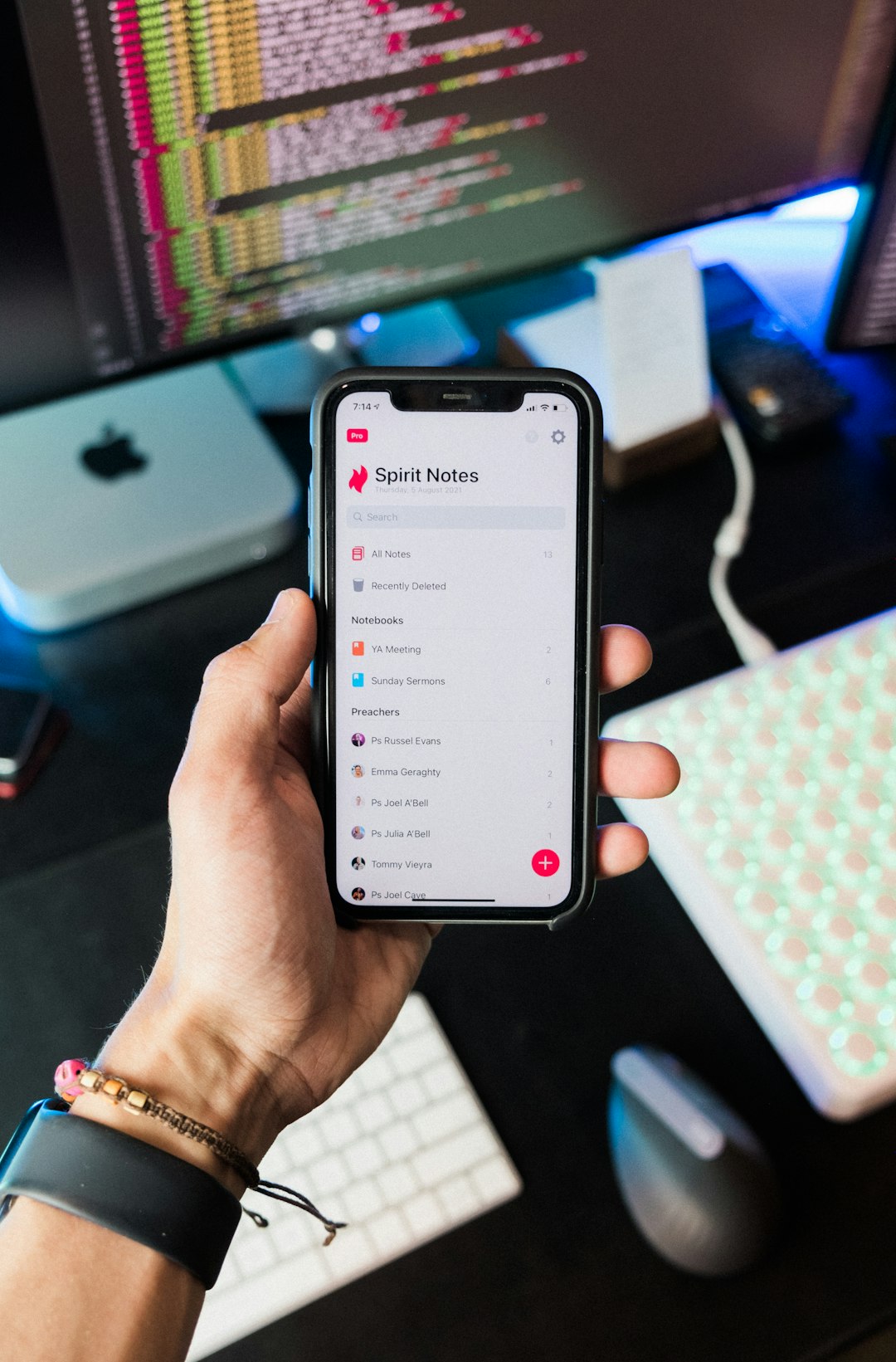
If you are designing an AI video product or app flow, it is also worth studying AI video generator mobile app UI design. The user experience around prompts, previews, and retries matters more than many teams expect.
Final verdict
Runway Gen-3 is the best overall choice for serious AI video production. It is not perfect. You will still fight weird motion, soft faces, and clips that almost work. That part is annoying.
Still, Runway has the best balance of quality, control, and workflow. Pika is better for fast social creativity. Luma Dream Machine is better for quick cinematic motion. If your work needs polish and repeatability, start with Runway. If your goal is discovery, test all three.