
The best RevOps framework starts with clean revenue data, clear ownership, and a platform that can turn pipeline activity into trusted forecasts. Clari is often the stronger fit for enterprise forecasting and inspection, while Revenue Grid suits teams that need CRM activity capture, seller guidance, and email-based workflow support. Other platforms such as Gong, Salesforce, HubSpot, BoostUp, People.ai, and Outreach can fill specific gaps, but they should support the framework rather than become the framework.
TLDR: A data-driven RevOps framework should connect CRM data, seller activity, pipeline health, forecasting, and coaching in one operating model. For example, a 75-person sales team using automated activity capture and forecast inspection could reduce manual CRM updates by 30% and improve forecast accuracy from 72% to 85% over two quarters. Clari is best for revenue predictability at scale, while Revenue Grid is better for teams struggling with CRM hygiene and sales execution. The right choice depends on whether the biggest problem is forecast trust or seller behavior and data capture.
What a RevOps Framework Should Actually Do
A RevOps framework is not just a reporting stack. It is the operating system for revenue teams. It aligns sales, marketing, customer success, finance, and leadership around one set of numbers.
A practical framework should cover five areas:
- Data capture: meetings, emails, calls, CRM updates, product usage, intent signals.
- Pipeline governance: stage rules, deal qualification, close plans, next steps.
- Forecasting: rollups, commit logic, scenario planning, risk scoring.
- Revenue inspection: conversion rates, deal slippage, rep activity, segment trends.
- Action management: alerts, coaching prompts, manager reviews, account plans.
The catch is that many revenue tools promise “one source of truth,” then create three more dashboards nobody trusts. A strong RevOps design keeps the CRM as the system of record and uses add-on platforms to improve signal quality, not bury teams in charts.
Clari: Best for Forecast Control and Revenue Inspection
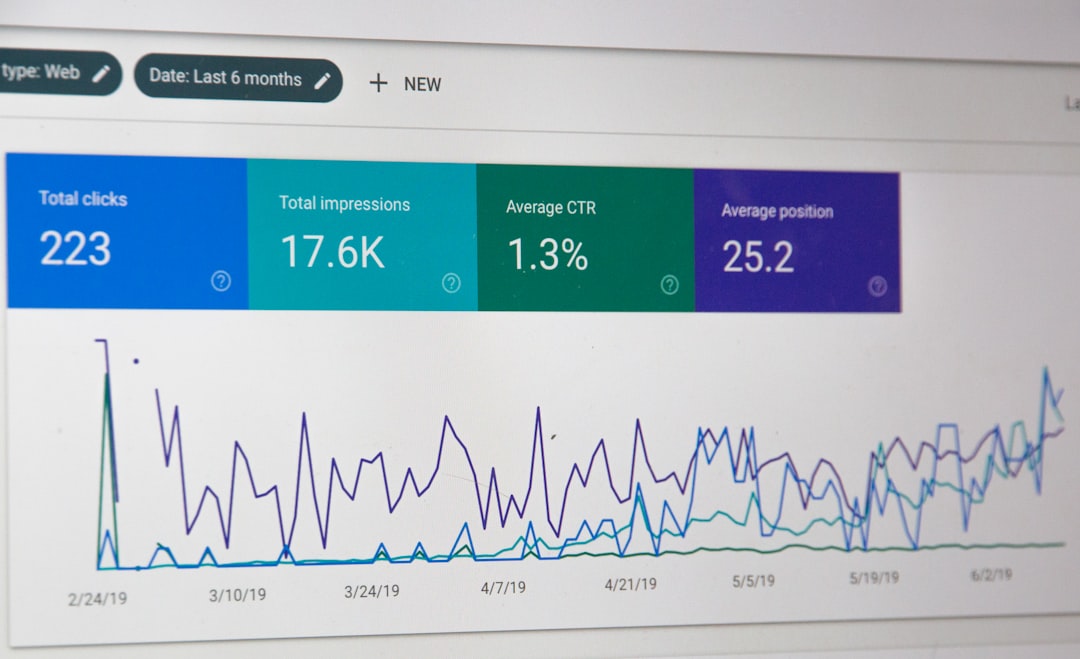
Clari is built for revenue leaders who need cleaner forecasting and deeper pipeline inspection. It pulls data from CRM, email, calendar, and other sources, then scores deals, tracks changes, and shows risk across teams.
Its strongest use case is executive revenue management. CROs, sales VPs, and RevOps leaders can see which deals moved, which slipped, and which reps have weak pipeline coverage. Clari is especially useful when the board expects a number and leadership cannot afford guesswork.
Best fit:
- Mid-market and enterprise sales organizations.
- Teams with complex pipelines and multiple sales segments.
- Companies that need stronger quarterly forecasting.
- Revenue leaders managing rollups across regions or business units.
Main strengths: forecast categories, pipeline change tracking, AI-based risk signals, rep and manager inspection, and strong executive reporting.
Main frustration: setup can feel heavy. Teams may spend weeks tuning fields, forecast rules, and CRM mapping before reports feel reliable. If CRM data is messy, Clari will expose the mess fast.
Revenue Grid: Best for Activity Capture and Seller Guidance
Revenue Grid focuses more on seller behavior, email integration, CRM updates, and guided sales workflows. It is useful when reps live in Outlook or Gmail but avoid updating CRM until the end of the week.
It captures communication activity, syncs data back to CRM, and gives sellers reminders about next steps. This helps RevOps teams reduce missing contacts, stale opportunities, and undocumented buyer engagement.
Best fit:
- Sales teams with poor CRM adoption.
- Organizations using Microsoft Outlook heavily.
- Managers who need visibility into rep follow-up habits.
- Companies that want practical sales process support without a large forecasting overhaul.
Main strengths: email and calendar sync, CRM automation, guided selling, activity tracking, and workflow prompts.
Main frustration: it may not satisfy executives who want advanced forecast rollups or board-level revenue scenarios. It helps data get into CRM, but it is not always the final answer for strategic revenue planning.

Clari vs Revenue Grid: The Practical Difference
The core difference is simple. Clari helps leadership trust the forecast. Revenue Grid helps teams create better CRM data and follow up better.
| Category | Clari | Revenue Grid |
|---|---|---|
| Primary use | Forecasting and pipeline inspection | Activity capture and guided selling |
| Best users | CROs, RevOps, sales leaders | Sales reps, managers, RevOps |
| Data focus | Pipeline risk, forecast movement, deal health | Email, calendar, CRM activity, tasks |
| CRM value | Analyzes CRM and activity data | Improves CRM data capture |
| Typical weakness | Requires strong setup and process design | Less suited for advanced forecast control |
If a company misses forecasts by 20% every quarter, Clari is usually the better starting point. If reps skip CRM updates and managers chase basic activity data every Friday, Revenue Grid may solve the more urgent pain.
Other Platforms to Consider
A RevOps framework may need more than one tool. The goal is not to buy everything. The goal is to cover the gaps that block clean decisions.
- Salesforce: Often the core CRM for enterprise RevOps. Strong workflow, reporting, and custom objects, but admin overhead can grow fast.
- HubSpot: Good for smaller and mid-sized teams that want CRM, marketing, service, and reporting in one simpler system.
- Gong: Strong for conversation intelligence, deal coaching, and call insights. It helps managers see what buyers actually said.
- BoostUp: Useful for forecasting, pipeline intelligence, and revenue risk scoring. It competes closely with Clari in some accounts.
- People.ai: Focused on activity capture, relationship intelligence, and account engagement analytics.
- Outreach and Salesloft: Strong for sales engagement, sequences, seller productivity, and outbound process control.
Honestly, it feels like many teams buy tools before fixing stage definitions. That creates expensive confusion. A deal marked “commit” should mean the same thing across every region, rep, and manager. Without that, even the best platform reports polished fiction.
How to Build the Framework
RevOps leaders should start with the operating model, then select tools.
- Define revenue stages. Every opportunity stage needs entry rules, exit rules, and required evidence.
- Set data ownership. Sales owns deal truth. Marketing owns source and campaign data. Customer success owns renewal and expansion signals. RevOps owns governance.
- Pick core metrics. Focus on pipeline coverage, win rate, sales cycle, slippage, forecast accuracy, retention, and expansion.
- Automate capture. Manual updates create gaps. Email, calendar, call, and product activity should feed the CRM where possible.
- Create inspection rhythms. Weekly pipeline reviews, monthly forecast checks, and quarterly process audits keep data useful.
- Connect action to insight. A risk score means little unless a manager knows what action to take next.

Which Platform Should a Company Choose?
Choose Clari when forecast accuracy, executive visibility, and pipeline control are the main priorities. It works best when the organization already has a mature CRM process or is ready to enforce one.
Choose Revenue Grid when CRM adoption, activity capture, and rep workflow are the bigger problems. It can help teams build cleaner data habits before they move into more advanced forecasting.
Choose Gong when coaching and buyer conversation quality sit at the center of the revenue problem. Choose HubSpot when simplicity matters more than deep enterprise controls. Choose Salesforce when customization and scale are needed, but expect more admin effort.
The best RevOps stack is rarely the flashiest one. It is the one that turns daily sales activity into accurate revenue decisions with the least amount of manual cleanup.
FAQ
What is a RevOps framework?
A RevOps framework is a structured system for managing revenue data, processes, metrics, and team accountability across sales, marketing, customer success, and finance.
Is Clari better than Revenue Grid?
Clari is better for forecasting and pipeline inspection. Revenue Grid is better for CRM activity capture and guided selling. The better choice depends on the main revenue problem.
Can Clari and Revenue Grid be used together?
Yes. Revenue Grid can improve CRM activity data, while Clari can use that cleaner data for forecasting and revenue inspection.
What is the biggest mistake in RevOps tool selection?
The biggest mistake is buying software before agreeing on pipeline stages, data rules, and forecast definitions. Tools cannot fix unclear process ownership.
Which metrics matter most in a data-driven RevOps framework?
The most useful metrics include forecast accuracy, pipeline coverage, win rate, sales cycle length, deal slippage, conversion rate, retention, expansion revenue, and activity quality.