
Whether you’re working on a home DIY project, traveling abroad, or tackling academic assignments, understanding how to convert units manually can be a crucial and empowering skill. Though digital tools like unit conversion apps exist, knowing how to perform conversions by hand ensures accuracy, deepens understanding, and prepares you for situations where technology might not be readily available.
This step-by-step guide will walk you through reliable manual methods for converting units of length, weight, and volume. Using only a basic understanding of multiplication and division, you can easily follow these techniques in everyday use or more formal calculations.
Why Manual Unit Conversion Matters
Manual unit conversion is more than a backup plan. It’s a logical process that can:
- Help avoid rounding errors introduced by calculators
- Foster stronger numeracy and measurement skills
- Ensure consistent understanding across different systems (e.g., metric vs imperial)
If you’re trying to compare measurements or interpret data correctly, manual unit conversion is a dependable and educational skill to have.
Understanding Conversion Factors
At the heart of unit conversion is a concept called the conversion factor. This is the numerical relationship between two different units of measurement. Once you’ve identified the appropriate conversion factor, converting is a matter of multiplying or dividing to transform the unit.
For example:
- 1 inch = 2.54 centimeters
- 1 kilogram = 2.20462 pounds
- 1 liter = 0.264172 gallons
Depending on whether you’re converting from a smaller to a larger unit or vice versa, you either multiply or divide by the conversion factor.
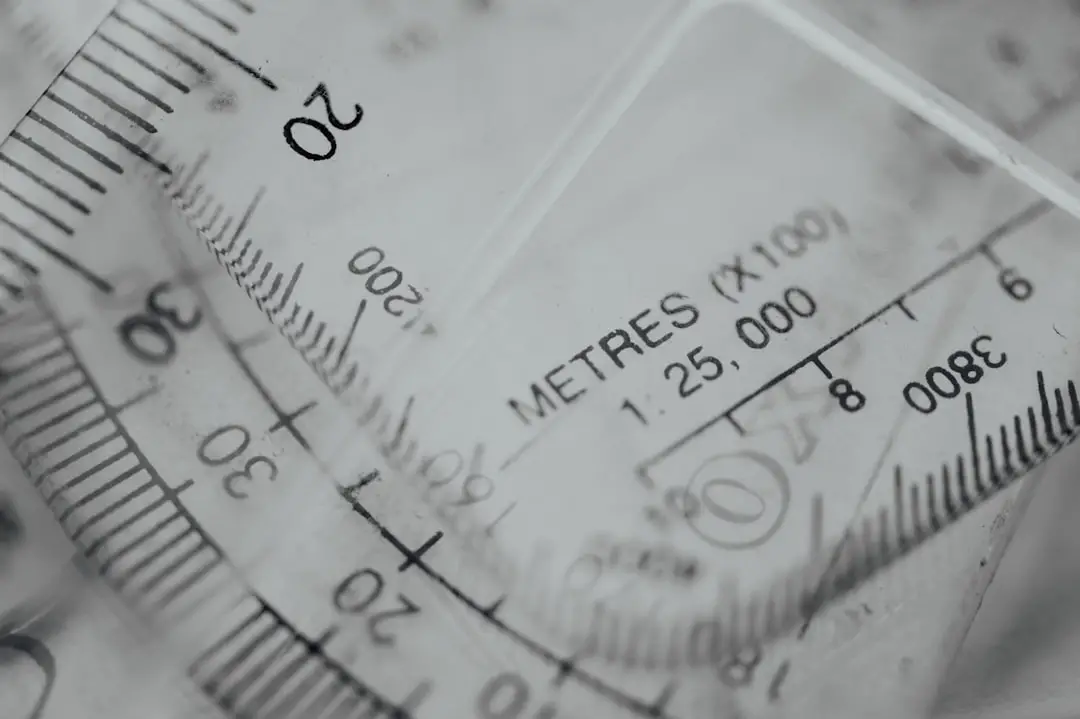
How to Convert Length Units Manually
Common Length Conversions
- 1 inch = 2.54 centimeters
- 1 foot = 12 inches
- 1 meter = 100 centimeters
- 1 kilometer = 1,000 meters
- 1 mile = 1.60934 kilometers
Step-by-Step Example: Inches to Centimeters
If you want to convert 10 inches to centimeters:
- Identify the conversion factor: 1 inch = 2.54 centimeters
- Multiply the inches by the conversion factor: 10 × 2.54 = 25.4 centimeters
Conversely, to convert back from centimeters to inches, divide by 2.54 instead.
Pro Tip:
Keep in mind that unit conversions are linear. This means you use the same conversion factor regardless of how large or small the amount is, as long as the units remain the same.
How to Convert Weight Units Manually
Common Weight Conversions
- 1 pound = 16 ounces
- 1 kilogram = 1,000 grams
- 1 kilogram = 2.20462 pounds
- 1 ounce = 28.3495 grams
Step-by-Step Example: Kilograms to Pounds
To convert 5 kilograms to pounds:
- Use the conversion factor: 1 kilogram = 2.20462 pounds
- Multiply the kilograms by the factor: 5 × 2.20462 = 11.0231 pounds
If you’re converting in the opposite direction (pounds to kilograms), simply divide by the conversion factor:
11.0231 ÷ 2.20462 ≈ 5 kilograms
Converting Ounces to Grams
Here’s another example for smaller weights:
- Conversion factor: 1 ounce = 28.3495 grams
- Ounces to grams: 8 oz × 28.3495 = 226.796 grams
This method works equally well for cooking, shipping parcels, or academic problems in science and physics.
How to Convert Volume Units Manually
Common Volume Conversions
- 1 liter = 1,000 milliliters
- 1 liter = 0.264172 gallons
- 1 cup = 8 fluid ounces
- 1 gallon = 3.78541 liters
Step-by-Step Example: Liters to Gallons
To convert 3 liters to gallons:
- Use the conversion factor: 1 liter = 0.264172 gallons
- Multiply the liters by the factor: 3 × 0.264172 = 0.792516 gallons
To go from gallons to liters, just divide:
0.792516 ÷ 0.264172 ≈ 3 liters
Cooking Example: Cups to Fluid Ounces
In the kitchen, measurements have a direct impact on taste and texture. Converting units accurately is a must.
- Conversion factor: 1 cup = 8 fluid ounces
- 2.5 cups to ounces: 2.5 × 8 = 20 fluid ounces
A Systematic Approach to Any Conversion
If you’re faced with a unit conversion that you’re unsure about, follow this process:
- Determine the starting and target units.
- Find the appropriate conversion factor. Trust reliable sources like educational websites or physical science textbooks.
- Multiply or divide accordingly. Multiply if converting from a larger base unit to a smaller one; divide when going from small to large.
- Double-check your calculation. Repeating the math can help avoid avoidable mistakes.
Memorization Tips to Make It Easier
Here are a few mental shortcuts and tips to help you memorize or reason through conversions even more effectively:
- Think in 10s and 100s when dealing with the metric system—it’s based on powers of ten.
- Use reference items. For example, a standard water bottle is roughly 500 ml or 16.9 oz.
- Stick conversion charts in frequently used places like your kitchen or workstation.
Common Mistakes to Avoid
Even seasoned professionals can make errors. Here are mistakes you should avoid:
- Confusing mass with weight. Grams and pounds are units of mass, while ounces can refer to weight or volume depending on context.
- Using the wrong conversion factor. Always verify the unit match—don’t use a conversion meant for volume when working with mass.
- Rounding too early. Avoid rounding numbers until the final step to maintain accuracy.
Final Thoughts
Whether you’re converting miles to kilometers for a road trip, grams to ounces for a baking recipe, or liters to gallons for a science experiment, manual unit conversion is a practical and dependable skill. It provides transparency, self-sufficiency, and trust in your own calculations.
Armed with the systematic methods described in this guide—and with a few key conversion factors remembered—you are well equipped to handle any conversion challenge accurately and confidently.