

When it comes to budget-friendly smartphones in 2024, two models that stand out for delivering more than they cost are the Samsung Galaxy A15 5G and the Motorola Moto G 5G (2024). Both of these devices aim to strike that perfect balance between price and performance, offering speedy 5G connectivity, decent specs, large displays, and solid battery life. But how do they compare side-by-side? In this article, we’ll take a deep dive into their design, display, performance, camera capabilities, software experience, and battery life to help you decide which one offers the better value for your money.
Design and Build Quality
Both the Galaxy A15 5G and the Moto G 5G are not chasing ultra-premium design trends, but they put in a strong showing for their price range. The Galaxy A15 5G adopts Samsung’s minimalist aesthetics, featuring a smooth matte back with a vertically stacked triple camera system. The handset feels slimmer and lighter in hand compared to its rival, largely due to its slightly thinner chassis.
Motorola’s Moto G 5G embraces a more utilitarian approach. With slightly curved edges and a textured back, the phone provides a comfortable grip. Its camera module is larger and squarer than that of the Galaxy A15, giving it a more rugged appearance despite it being made of similar plastic materials.

Though neither phone offers IP-rated water resistance, both do include basic splash resistance to protect against occasional spills and light rain. In terms of ports, both phones thankfully retain the beloved 3.5mm headphone jack, a feature that’s becoming increasingly rare.
Display
This is an area where Samsung generally shines, and it’s no different here. The Galaxy A15 5G sports a 6.5-inch Super AMOLED display with a resolution of 1080 x 2340 pixels. The screen boasts a refresh rate of 90Hz, which ensures smooth scrolling and visuals. What gives it an edge is the OLED technology, which means deeper blacks, better contrast, and more vibrant colors. Whether you’re streaming Netflix or browsing social media, the display feels a cut above its price range.
On the other hand, the Moto G 5G comes with a 6.6-inch LCD panel, also at Full HD+ resolution and featuring a 120Hz refresh rate. While the higher refresh rate makes the interface feel quicker and more responsive, the overall display quality slightly trails behind the AMOLED panel of the Galaxy A15, especially in contrast and color saturation.
If media consumption is high on your priority list, the A15’s display will give you a more immersive visual experience, albeit with a slightly smaller screen size.
Performance and Hardware
Under the hood, the Galaxy A15 5G is powered by the MediaTek Dimensity 6100+ chipset, a competent mid-range processor that handles daily tasks smoothly, including light to moderate gaming and multitasking. Apps launch quickly, and users can expect a fairly lag-free experience in general usage. It’s paired with 4GB or 6GB of RAM options and 128GB of internal storage, expandable via microSD card.
The Moto G 5G, in contrast, features the Qualcomm Snapdragon 480+ 5G. While the Snapdragon name might suggest an advantage, performance between the two is actually quite comparable, with a lean towards the Dimensity 6100+ in terms of GPU power and overall energy efficiency. The Moto G offers 4GB of RAM as base, and like the Galaxy A15, includes 128GB of storage with microSD support.

In real-world usage, general performance on both phones is nearly neck-and-neck, though the Galaxy may slightly edge out in gaming scenarios. Both devices are viable for streaming, gaming, and everyday multitasking without much issue.
Camera Comparison
For budget devices, camera quality often comes with compromises, but both smartphones equip themselves fairly well in this department.
- Galaxy A15 5G: Triple-camera setup with a 50MP main sensor, 5MP ultra-wide, and 2MP macro lens. On the front, there’s a 13MP selfie camera.
- Moto G 5G (2024): Dual-camera setup with a 50MP primary shooter and a 2MP macro sensor. The front-facing camera comes in at 8MP.
Samsung wins in the versatility game, offering that additional ultra-wide camera for landscape shots and group photos. In daylight, both phones produce decent images with good detail and color accuracy. However, the Galaxy A15 pulls ahead with better dynamic range and sharper selfies thanks to its superior front camera. Low-light performance is modest on both but slightly better on the A15 due to software optimization.
Software and User Interface
Both devices run on Android 14 out of the box, but with vastly different user experiences. The Galaxy A15 comes with Samsung’s One UI Core 6, a slightly stripped-down version of its flagship UI but still feature-rich and smooth. Samsung also promises up to 4 years of security updates and 2 years of Android version upgrades, which is excellent for a phone in this segment.
The Moto G 5G offers a more near-stock Android experience, which some users may prefer for its minimal bloatware and cleaner interface. Motorola adds a few custom touches like Moto Actions for quick gestures, but overall, it’s a more vanilla Android affair. Update support isn’t quite as lengthy as Samsung’s, often limited to just one major Android update with security patches for two years.
If you prioritize a longer software lifespan and richer feature set, the Galaxy A15 takes the lead here. If minimalism is more your speed, then the Moto G might feel just right.
Battery Life
In the battery department, both phones impress. Each features a 5,000mAh battery, which is expected in this segment. Both can easily last a full day and then some with moderate use, and both support fast charging.
The Galaxy A15 supports 25W fast charging, while the Moto G 5G offers 18W fast charging. While the difference might not be dramatic, the Galaxy does juice up slightly faster, which could matter when you’re in a rush.
Pricing and Final Thoughts
Both the Samsung Galaxy A15 5G and the Motorola Moto G 5G (2024) fall within the $200–$250 range, depending on regional pricing and promotions. At these prices, they offer exceptional value in the budget 5G space.
Here’s a quick summary of what each device does best:
- Galaxy A15 5G: Superior AMOLED display, better software support, more versatile camera system, faster charging.
- Moto G 5G: Clean Android experience, smoother 120Hz refresh rate, slightly larger screen, good battery backup.
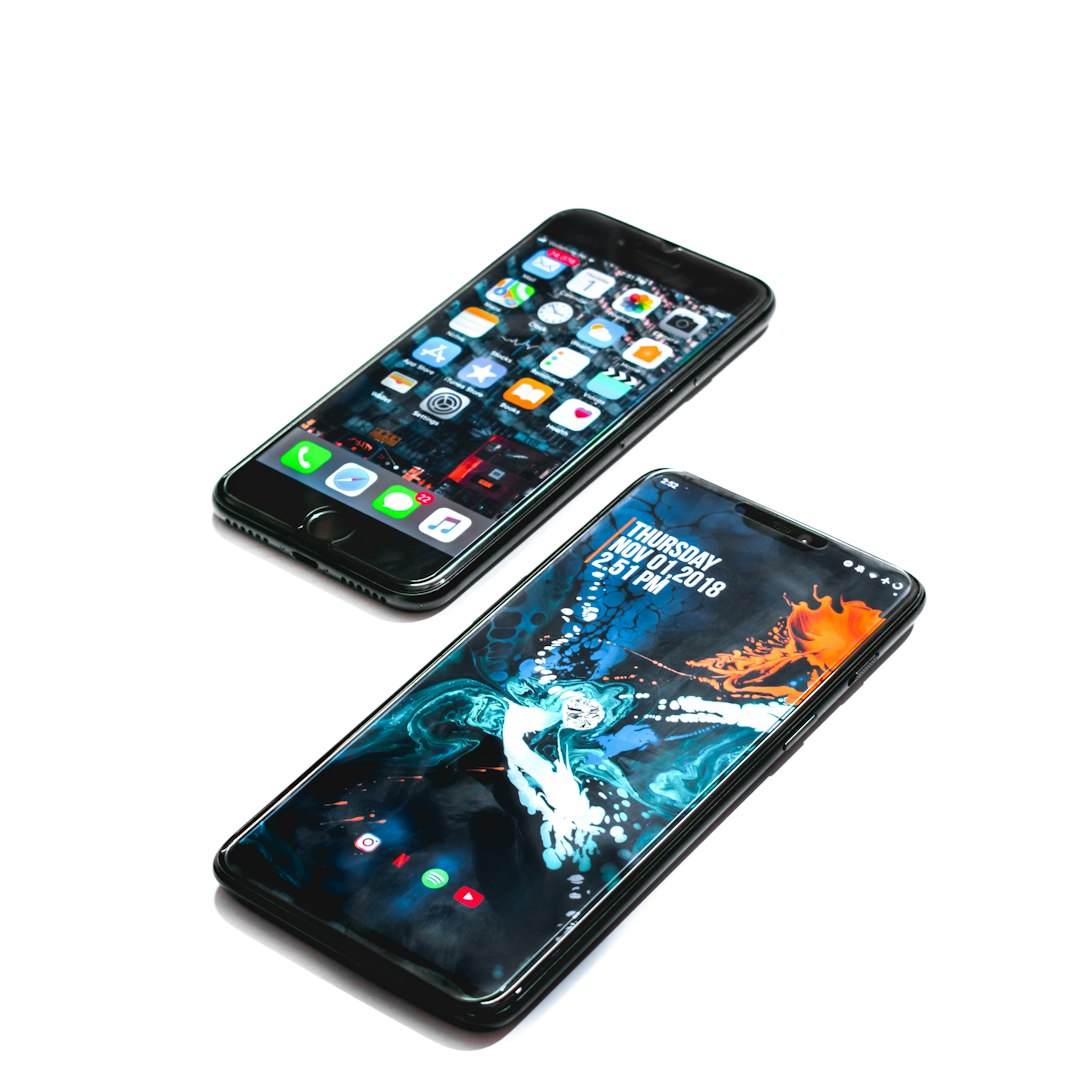
In conclusion, if you lean towards better display quality, camera flexibility, and longer software support, the Samsung Galaxy A15 5G is likely the better choice. However, for users who appreciate a simpler Android experience and slightly quicker screen response, the Moto G 5G still offers excellent value. Ultimately, your choice will depend on which features matter most to you.
Whichever model you choose, it’s clear that budget smartphones in 2024 are delivering more than ever before — and both the Galaxy A15 5G and Moto G 5G are standing proof of that evolution.