

Rich snippets have become a major part of modern search visibility because they change how a page appears in search results. Instead of showing only a title, URL, and meta description, a result can display review stars, prices, product availability, recipes, event dates, FAQs, images, and other enhanced details. For businesses, publishers, and ecommerce sites, this extra information can influence whether a searcher chooses one result over another.
TLDR: Rich snippets can help SEO, but mostly in an indirect way. They do not automatically guarantee higher rankings, yet they can improve click-through rates, search visibility, user trust, and qualified traffic. When implemented correctly with structured data, they make a page eligible for enhanced search results that may outperform standard listings.
What Are Rich Snippets?
Rich snippets are enhanced search results generated from structured data on a webpage. Structured data is a standardized format, often written in JSON-LD, that helps search engines understand the content and context of a page. For example, a recipe page can include cooking time, ratings, calories, and ingredients, while a product page can include price, stock status, and customer reviews.
These enhanced elements are often called rich results, though many marketers still use the term rich snippets. The purpose is the same: to give searchers more useful information directly on the search engine results page.

Do Rich Snippets Directly Improve Rankings?
The most important distinction is that rich snippets are not usually considered a direct ranking factor. Adding schema markup to a page does not mean that the page will instantly move from position six to position one. Search engines still rely on core ranking signals such as content quality, relevance, authority, technical performance, user experience, and backlinks.
However, rich snippets can support SEO performance in ways that matter. A listing with review stars, product details, or FAQ enhancements may attract more attention than a plain result. If more searchers click that result because it appears more useful, the page may receive more organic traffic even without a higher ranking position.
How Rich Snippets Help SEO Indirectly
Rich snippets can support search performance through several practical advantages:
- Higher visibility: Enhanced results often occupy more visual space, making them stand out on crowded search results pages.
- Improved click-through rate: Searchers may be more likely to click a result that shows ratings, pricing, availability, or clear answers.
- Better user expectations: Rich details help searchers understand what a page offers before they click, which can lead to more qualified visits.
- Increased trust: Review stars, author information, and business details can create a stronger sense of credibility.
- More competitive presentation: If competitors use rich results and a site does not, its listings may appear less informative by comparison.
These benefits are especially important in competitive industries. A product result with price, availability, and ratings can seem more useful than a similar result with only a short text description. A recipe result with an image, preparation time, and rating can also capture attention faster than a standard listing.
Common Types of Rich Snippets
Different types of content qualify for different rich result features. The most common examples include:
- Product snippets: Show price, availability, ratings, and review count.
- Review snippets: Display star ratings for eligible content, products, services, or local businesses.
- Recipe snippets: Include images, cooking time, ingredients, calories, and ratings.
- FAQ snippets: Present common questions and short answers directly in search results, when eligible.
- How-to snippets: Break down step-by-step instructional content.
- Event snippets: Show dates, locations, ticket details, and event names.
- Article enhancements: Help search engines understand headlines, authors, publication dates, and images.
Not every markup type will produce a visible rich result. Search engines decide whether to display enhancements based on eligibility, content quality, query relevance, device type, location, and their own search result design changes.

Structured Data and Search Engine Understanding
Even when rich snippets do not appear, structured data can still help search engines interpret a page more accurately. For example, markup can clarify whether a page is about a product, a local business, a recipe, a person, a course, or an event. This added context can support indexing and content classification.
Structured data does not replace strong on-page SEO. A page still needs clear headings, relevant copy, optimized metadata, internal links, fast loading speed, and helpful content. Schema works best when it supports information that is already visible to users on the page. Search engines generally discourage marking up hidden, misleading, or inaccurate information.
Can Rich Snippets Increase Organic Traffic?
Rich snippets can increase organic traffic when they improve the appeal of a result. A higher click-through rate can produce more visits from the same ranking position. This is why many SEO professionals consider structured data a high-value optimization, particularly for pages that already rank on the first page.
However, the effect can vary. Some rich results answer a searcher’s question directly on the results page, which may reduce clicks in certain cases. For example, an FAQ result might satisfy a simple query without requiring a visit. On the other hand, if the answer builds trust and encourages deeper interest, it can still lead to more qualified traffic.
Best Practices for Using Rich Snippets
To gain the most SEO value from rich snippets, a website should follow a careful and accurate implementation process:
- Choose the right schema type: The markup should match the actual content of the page.
- Use JSON-LD when possible: This format is widely recommended because it is easier to manage and less likely to interfere with page design.
- Mark up visible content: Information in structured data should usually be present on the page for visitors to see.
- Avoid misleading markup: Fake ratings, irrelevant schema, or exaggerated claims can cause manual actions or loss of rich result eligibility.
- Validate the markup: Testing tools can identify errors, warnings, and missing required properties.
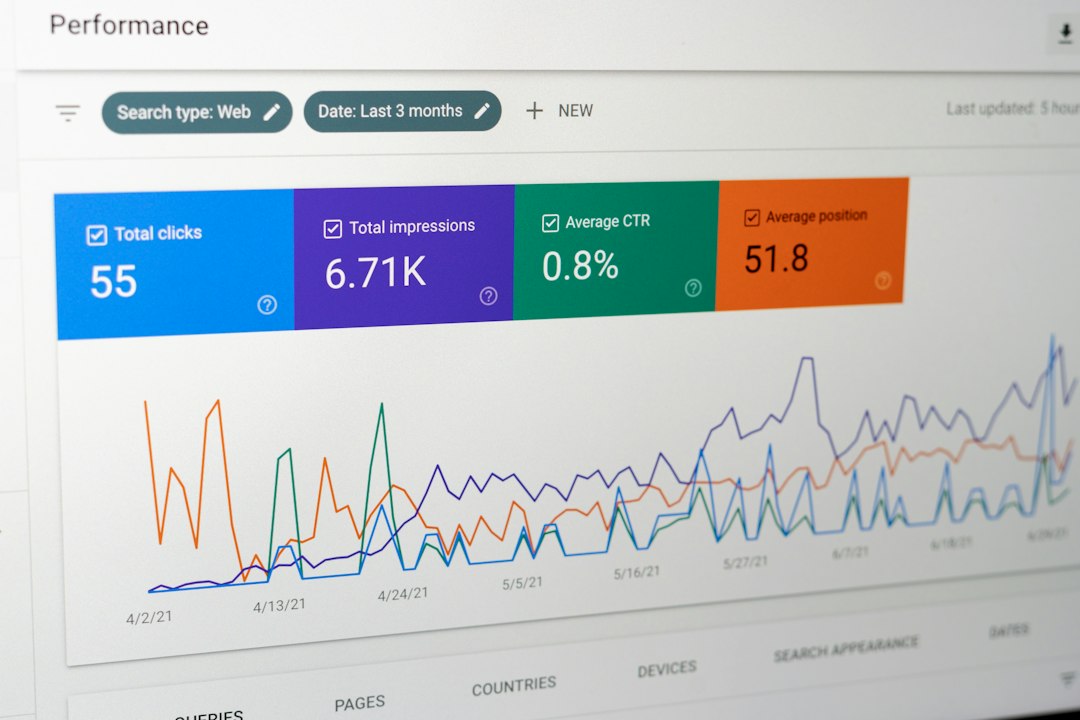
- Monitor performance: Search analytics can show impressions, clicks, and rich result enhancements over time.
Proper implementation is essential. Incorrect schema may be ignored, while manipulative schema can damage trust. A cautious and factual approach is always better than trying to force enhanced results.
Limitations of Rich Snippets
Rich snippets are helpful, but they are not a complete SEO strategy. They cannot compensate for thin content, poor site architecture, slow performance, or weak authority. A page with structured data still needs to satisfy search intent better than competing pages.
There is also no guarantee that search engines will show a rich result, even if the markup is valid. Rich results can appear, disappear, or change depending on algorithm updates and search interface experiments. For this reason, structured data should be treated as an enhancement rather than a guaranteed traffic source.
Final Verdict: Do Rich Snippets Help SEO?
Rich snippets do help SEO, but mainly by improving how a search result performs rather than by directly boosting rankings. They can make listings more noticeable, informative, and trustworthy, which may lead to higher click-through rates and better qualified traffic. For websites with valuable content and sound technical foundations, structured data can provide a meaningful competitive advantage.
The best approach is to view rich snippets as part of a broader SEO system. When combined with strong content, technical optimization, internal linking, and a good user experience, rich snippets can help a page earn more attention in search results and convert that attention into useful traffic.
FAQ
Do rich snippets guarantee higher rankings?
No. Rich snippets do not guarantee higher rankings. They make a page eligible for enhanced search results, which can improve visibility and clicks, but rankings still depend on many other SEO factors.
Are rich snippets and structured data the same thing?
Not exactly. Structured data is the code added to a page, while rich snippets are the enhanced search result features that may appear because of that code.
How long does it take for rich snippets to appear?
There is no fixed timeline. Search engines must crawl, process, and evaluate the page. Rich snippets may appear within days, weeks, or not at all, depending on eligibility and quality signals.
Can a website lose rich snippets?
Yes. Rich snippets can disappear due to search engine updates, markup errors, policy violations, content changes, or shifts in how search results are displayed.
Which websites benefit most from rich snippets?
Ecommerce sites, recipe blogs, review platforms, local businesses, publishers, event websites, and educational sites often benefit because their content can be enhanced with useful structured data.