
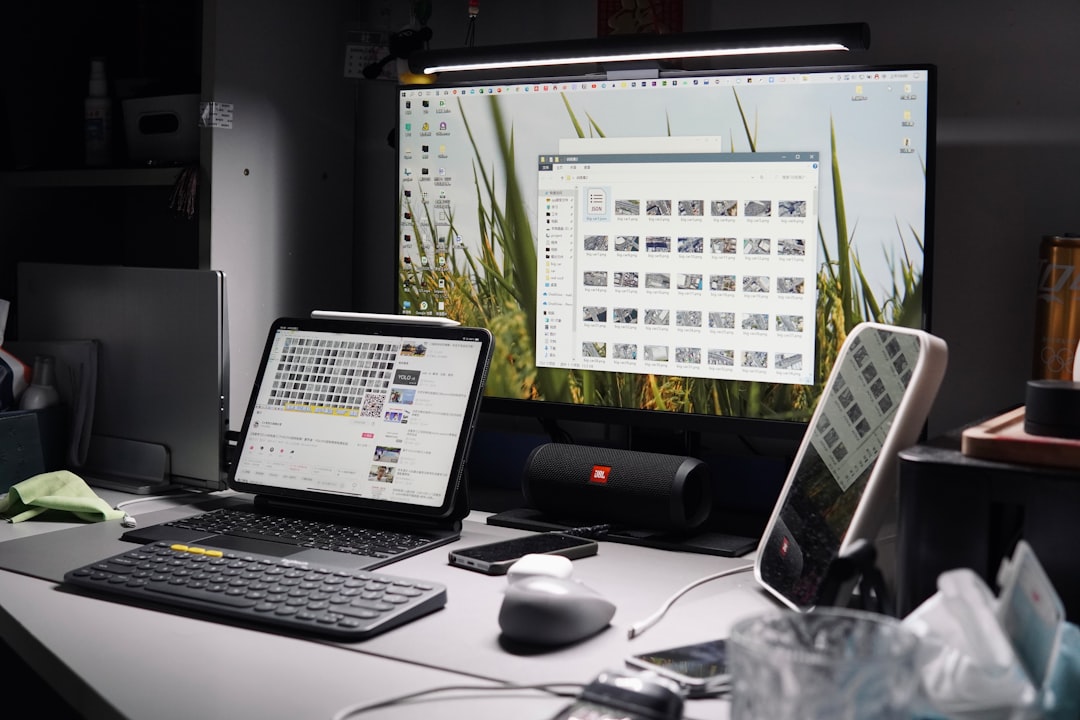
Modern digital products are built by teams, not individuals. As teams grow and products expand across platforms, maintaining visual consistency and speeding up development becomes increasingly complex. This is where component library platforms for sharing design elements play a critical role. They provide a centralized system where UI components, design tokens, and documentation live together, enabling designers and developers to collaborate with clarity and confidence.
TLDR: Component library platforms help teams maintain consistency, accelerate product development, and improve collaboration by centralizing reusable design elements. They reduce duplication, minimize design drift, and bridge the gap between design and development. Choosing the right platform depends on team size, technical environment, integration needs, and scalability requirements. A well-managed component library becomes a strategic asset, not just a design repository.
In a competitive digital landscape, consistency is not optional. Every button, card, form, and navigation pattern communicates your brand’s reliability. When teams rely on scattered files and undocumented assets, inconsistencies emerge quickly. A structured component library platform eliminates that risk by serving as a single source of truth for user interface elements.
What Is a Component Library Platform?
A component library platform is a centralized system for creating, documenting, managing, and sharing reusable UI components. These components typically include:
- Visual elements such as buttons, icons, typography styles, grids, and color systems
- Interactive components like drop-down menus, modals, input fields, and tabs
- Design tokens for spacing, color codes, border radii, and motion standards
- Documentation detailing usage rules and behavior guidelines
The primary goal is to ensure that both designers and developers use the same building blocks when creating new features or products.
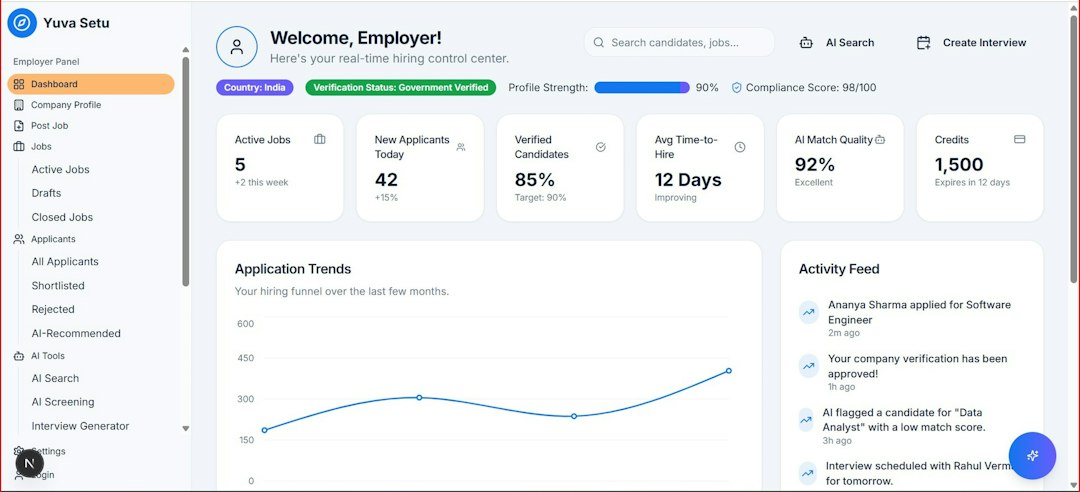
Why Component Library Platforms Matter
Without a shared system, product development becomes fragmented. Designers might redefine patterns repeatedly, while developers create similar components multiple times with slight variations. Over time, technical debt increases, and brand consistency deteriorates.
Component platforms offer measurable advantages:
- Consistency at scale: Uniform visual and behavioral standards across products.
- Faster development cycles: Teams reuse pre-built elements instead of starting from scratch.
- Reduced errors: Clear documentation minimizes implementation discrepancies.
- Improved onboarding: New hires understand the design system quickly.
- Stronger collaboration: Design and development operate within aligned frameworks.
Organizations that adopt structured component libraries frequently report significantly shorter release cycles and fewer design revisions.
Core Features of Effective Platforms
Not all platforms are equal. A robust solution should support the entire lifecycle of UI components—from initial design to deployment and maintenance. The following features are typically essential:
1. Version Control
Changes must be tracked carefully. Version history allows teams to roll back updates and maintain stability across releases.
2. Cross-Tool Integration
Effective platforms integrate seamlessly with design tools, code repositories, and project management systems, preventing workflow disruption.
3. Live Documentation
Documentation that updates with the component ensures that guidance remains accurate and relevant.
4. Access Controls
Large teams require permission levels to protect core components while allowing collaboration.
5. Code Synchronization
The strongest platforms bridge design and code, ensuring that what is designed mirrors what is deployed.
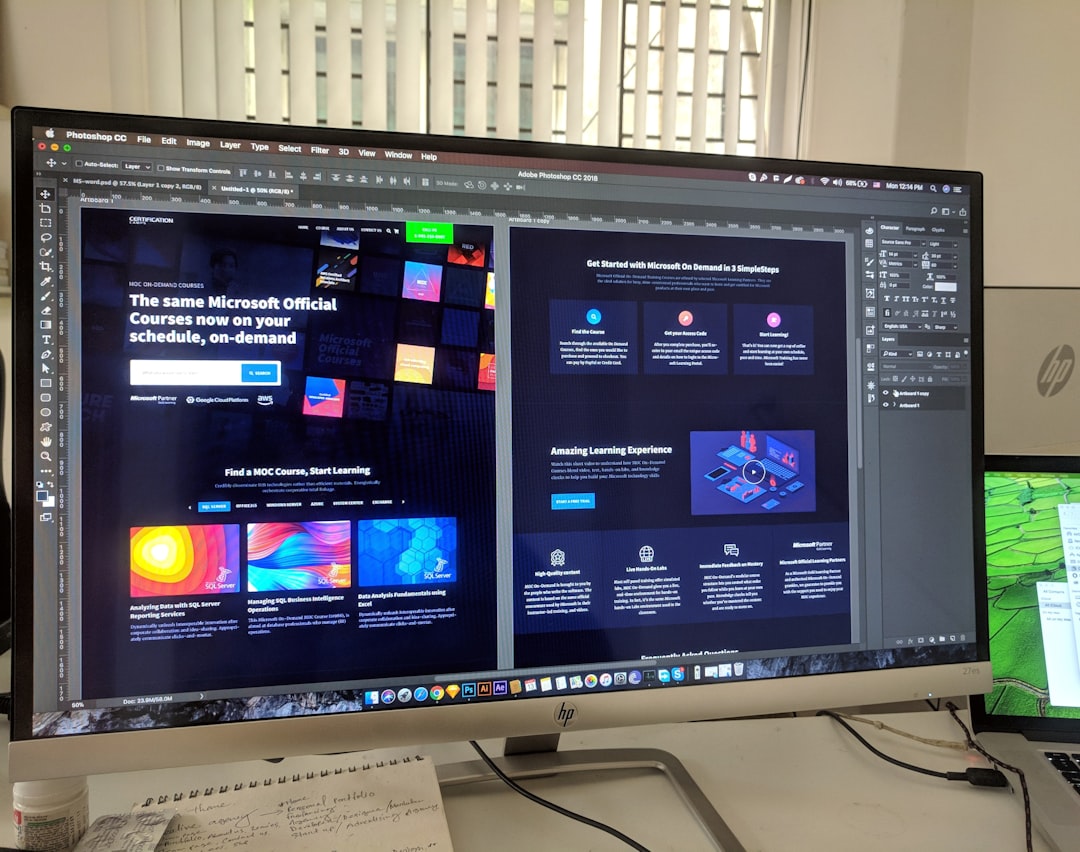
Leading Component Library Platforms
Several platforms dominate the market due to their reliability, integration capabilities, and scalability. Below are some of the most widely adopted solutions.
Storybook
An open-source tool focused heavily on front-end development. It allows teams to build, test, and document UI components in isolation. Particularly popular among engineering teams working with modern frameworks.
Figma Libraries
A design-centered platform that enables shared component libraries within collaborative design environments. Ideal for teams that prioritize real-time collaboration.
Zeroheight
A documentation-focused platform that connects design files with live style guides. It serves as a clean interface between design systems and organizational stakeholders.
Frontify
Combines brand guidelines with component libraries, making it suitable for organizations where branding consistency is as important as functionality.
Bit
A component-driven development platform that allows teams to create, share, and reuse UI components across multiple projects and repositories.
Platform Comparison Chart
| Platform | Primary Focus | Best For | Key Strength |
|---|---|---|---|
| Storybook | Development and testing | Engineering-driven teams | Isolated component testing |
| Figma Libraries | Design collaboration | Design-first organizations | Real-time shared editing |
| Zeroheight | Documentation | Cross-functional teams | Clear, accessible style guides |
| Frontify | Brand systems | Enterprise branding teams | Integrated brand governance |
| Bit | Component distribution | Large-scale development teams | Cross-project component reuse |
Implementation Strategies
Adopting a component library platform requires deliberate planning. Simply installing a tool is not enough; it must be integrated into organizational processes.
Start Small
Begin with foundational elements such as typography, color palettes, and primary buttons. Avoid overengineering early iterations.
Align Design and Engineering
Encourage joint ownership. When either team operates independently, inconsistencies reappear quickly.
Establish Governance
Design systems require oversight. Assign ownership to a core team responsible for updates, audits, and maintenance.
Document Everything
Usage examples, accessibility standards, limitations, and rationale behind decisions should be explicit.
Common Challenges
Despite clear advantages, several challenges may arise:
- Resistance to change: Teams accustomed to working independently may hesitate.
- Maintenance burden: Component libraries require regular updates.
- Overcomplexity: Excessive component variations can overwhelm users.
- Integration gaps: Poor synchronization between design and code reduces effectiveness.
Overcoming these challenges requires leadership support, clear communication, and realistic expectations.
The Strategic Value of Design Systems
A mature component library evolves into something larger: a full design system. Design systems do more than supply UI parts; they encode an organization’s philosophy about usability, accessibility, and brand identity.
At scale, this translates into:
- Greater customer trust due to consistent experience
- Lower operational costs
- Faster experimentation and innovation
- Stronger cross-team alignment
Executives increasingly see component libraries as infrastructure rather than optional tools. Just as cloud platforms support deployment, component platforms support product cohesion.
Future Trends
The landscape continues to evolve. Emerging developments suggest that component library platforms will become even more integrated and intelligent.
- AI-assisted component generation to accelerate prototyping
- Automated accessibility validation built directly into systems
- Real-time performance monitoring tied to UI components
- Advanced analytics showing component usage metrics
The future points toward tighter synchronization between analytics, design, and deployment pipelines.
Conclusion
Component library platforms for sharing design elements are no longer optional conveniences—they are essential infrastructure for modern digital teams. They promote consistency, protect brand integrity, accelerate development, and foster meaningful collaboration between design and engineering.
Organizations that invest thoughtfully in these platforms gain more than efficiency. They establish a durable system that scales with growth, adapts to innovation, and reinforces user trust. In an era where digital experiences shape brand perception, maintaining a well-structured component library is not simply a design decision—it is a strategic imperative.