
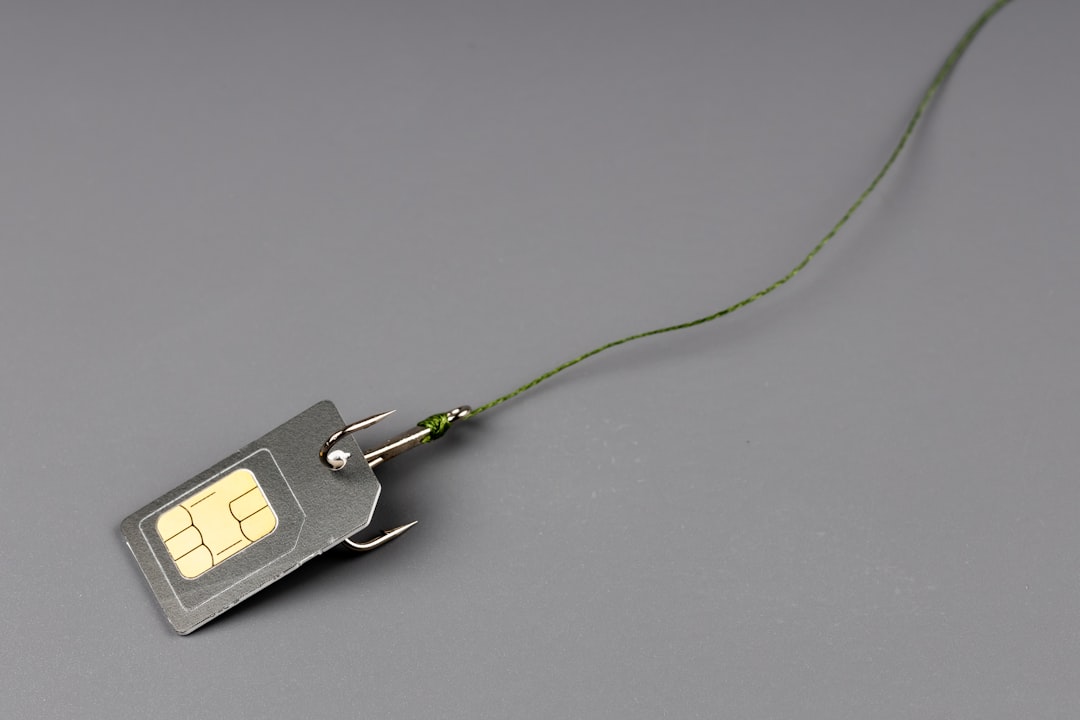
For more than three decades, the small plastic SIM card has been the quiet cornerstone of mobile connectivity. It has enabled billions of people to connect to cellular networks, switch devices, and maintain their identities across phones. Yet with the rapid rise of embedded SIM technology, many industry observers are asking a pressing question: Will physical SIM cards disappear completely? As device manufacturers, telecom providers, and consumers adapt to new standards, the future of the traditional SIM card is no longer guaranteed.
TLDR: Physical SIM cards are gradually being replaced by eSIM and integrated SIM technologies, especially in modern smartphones and connected devices. While they are unlikely to vanish overnight, their use is steadily declining in many markets. Compatibility concerns, global infrastructure differences, and consumer habits mean physical SIMs may remain for years in some regions. However, long term trends strongly suggest a future dominated by embedded and fully digital solutions.
The Evolution of SIM Technology
The Subscriber Identity Module (SIM) card was introduced in the early 1990s as a removable smart card storing subscriber information. Over time, SIM cards became progressively smaller:
- Standard SIM (Mini SIM)
- Micro SIM
- Nano SIM
Each size reduction reflected a broader trend toward compact device design. However, while their physical size changed, their core function remained the same: securely connecting a user to a cellular network.
The next major shift came with eSIM (embedded SIM), which eliminates the need for a removable card entirely. Instead, the SIM functionality is embedded directly into the device’s motherboard and can be programmed remotely.
What Is Driving the Shift Away from Physical SIM Cards?
Several key factors are accelerating the move toward digital SIM solutions.
1. Device Design and Space Efficiency
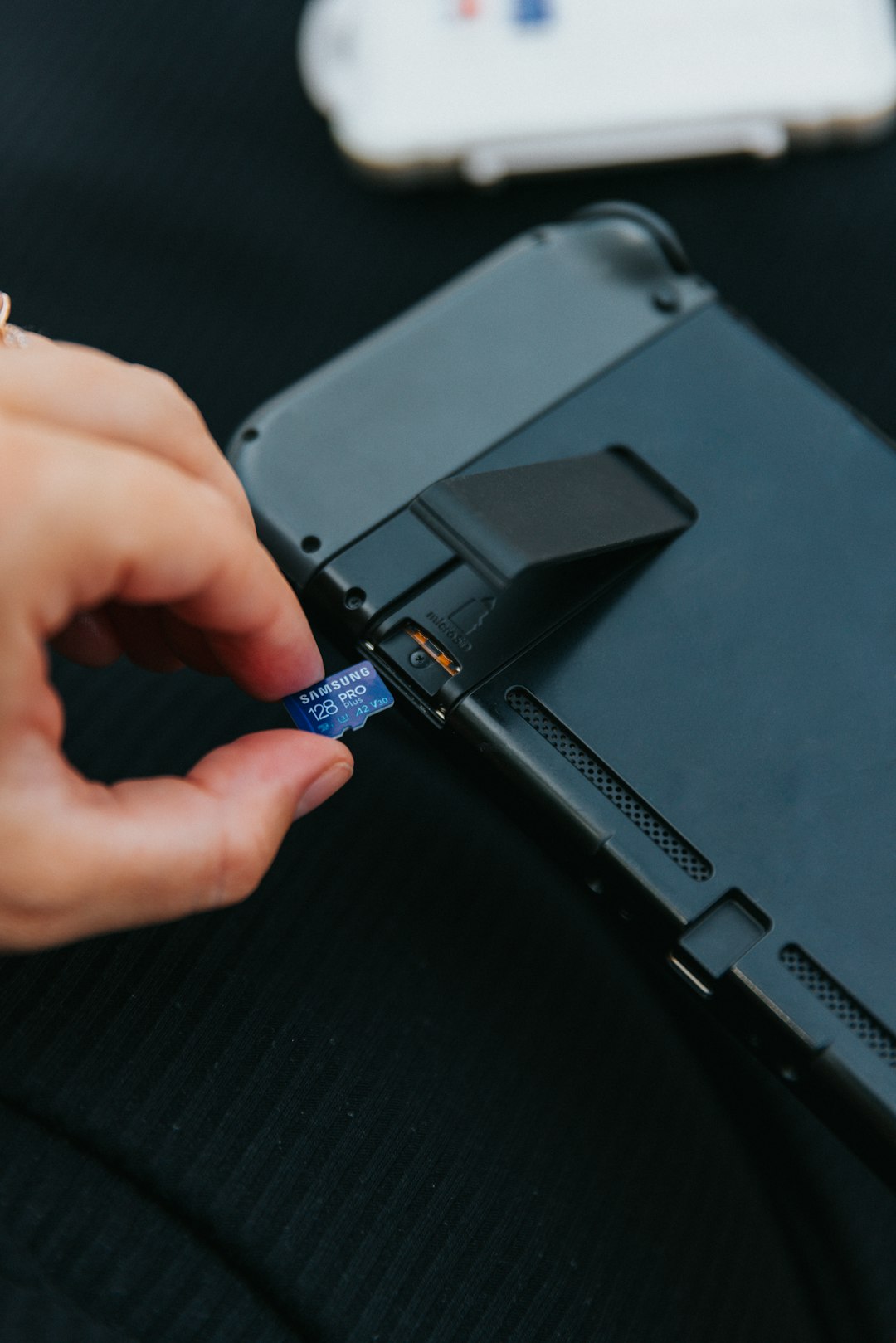
Manufacturers continuously strive to make devices thinner, lighter, and more water resistant. Removing the SIM tray:
- Frees up valuable internal space
- Improves device sealing for water and dust resistance
- Simplifies internal engineering
In ultra compact devices like smartwatches and IoT sensors, a removable SIM is often impractical. Embedded technology aligns better with modern hardware trends.
2. Consumer Convenience
eSIM technology allows users to activate a cellular plan digitally without visiting a store or handling a tiny plastic card. Switching carriers can be as simple as scanning a QR code or downloading a profile.
This is especially useful for:
- Frequent travelers who need temporary local plans
- Business users managing multiple numbers
- People upgrading to new phones
In theory, the process becomes faster and more seamless than inserting or swapping physical cards.
3. Growth of IoT Devices
The Internet of Things (IoT) depends heavily on embedded connectivity. From connected cars to smart meters and industrial sensors, many devices are deployed in locations where physically replacing a SIM card would be costly or impossible.
Remote provisioning through eSIM technology enables network changes without physical access to the device. This scalability strongly favors digital SIM solutions.
Why Physical SIM Cards Are Still Relevant
Despite rapid innovation, physical SIM cards are not disappearing tomorrow. They continue to offer advantages that slow their complete phase out.
1. Global Infrastructure Gaps
Not all mobile carriers worldwide fully support eSIM provisioning. In many developing markets, telecom infrastructure is still optimized for traditional SIM distribution and activation.
Until eSIM becomes universally supported, physical SIM cards remain essential for global compatibility.
2. Consumer Familiarity and Control
Many users appreciate the simplicity of physically moving a SIM card between devices. If a phone breaks, the user can remove the card and instantly restore service on another device.
Some consumers also perceive removable SIMs as offering:
- Greater control over their identity
- Easier troubleshooting
- Clear separation between device and network subscription
3. Secondary Market and Device Resale
The global secondhand smartphone market depends on straightforward ownership transfer. Physical SIM cards allow new owners to insert their own cards without dealing with digital profile restrictions or activation barriers.
Although eSIM can be reset and reconfigured, the process may be less intuitive for some users compared to inserting a card.
How Major Manufacturers Are Influencing the Transition
Device manufacturers play a crucial role in determining whether physical SIM cards survive.
In recent years, some flagship smartphone models in certain regions have launched without SIM trays, supporting only eSIM. This bold step signals confidence in digital-only connectivity. However, many manufacturers still offer dual setups:
- Physical SIM + eSIM
- Dual eSIM
- Dual physical SIM in certain markets
This hybrid approach reflects market realities: consumer readiness varies significantly by region.
Beyond smartphones, tablets, laptops, and wearable devices increasingly rely on eSIM. As more device categories adopt embedded connectivity, physical SIM usage naturally declines.
Environmental Considerations
Plastic SIM cards may be small, but billions are produced and discarded over time. Eliminating physical cards could reduce:
- Plastic manufacturing
- Packaging waste
- Shipping-related carbon emissions
Telecom providers are also motivated by cost savings. Producing, stocking, and distributing physical SIM cards requires logistics infrastructure that embedded solutions largely remove.
While the environmental impact per unit is minimal, global scale makes the cumulative reduction significant.
Security Implications
Security analysts debate whether embedded SIMs are more secure than removable ones. eSIM technology offers:
- Remote provisioning with encrypted communication
- Reduced risk of physical SIM theft
- Improved authentication standards
However, critics argue that centralizing control in software could introduce new vulnerabilities if poorly implemented. Ultimately, both systems rely on encryption and carrier infrastructure.
As network standards evolve toward 5G and beyond, digital provisioning integrates more seamlessly with modern authentication ecosystems.
Will Physical SIM Cards Disappear Completely?
Based on current trends, it is unlikely that physical SIM cards will vanish immediately. Instead, the transition will likely follow a phased pattern:
- Short term (next 3–5 years): Continued hybrid models with both SIM tray and eSIM.
- Mid term (5–10 years): Increasing regions adopt eSIM-only flagship devices.
- Long term: Physical SIMs become niche or limited to legacy and specialized markets.
History shows that older technologies often coexist with newer standards for extended periods. Just as landline phones still exist alongside smartphones, physical SIM cards may endure even as their dominance fades.
The strongest indicator of eventual disappearance is industry alignment. As carriers, regulators, and manufacturers synchronize around embedded standards, incentives to maintain dual systems weaken.
The Role of Integrated SIM (iSIM)
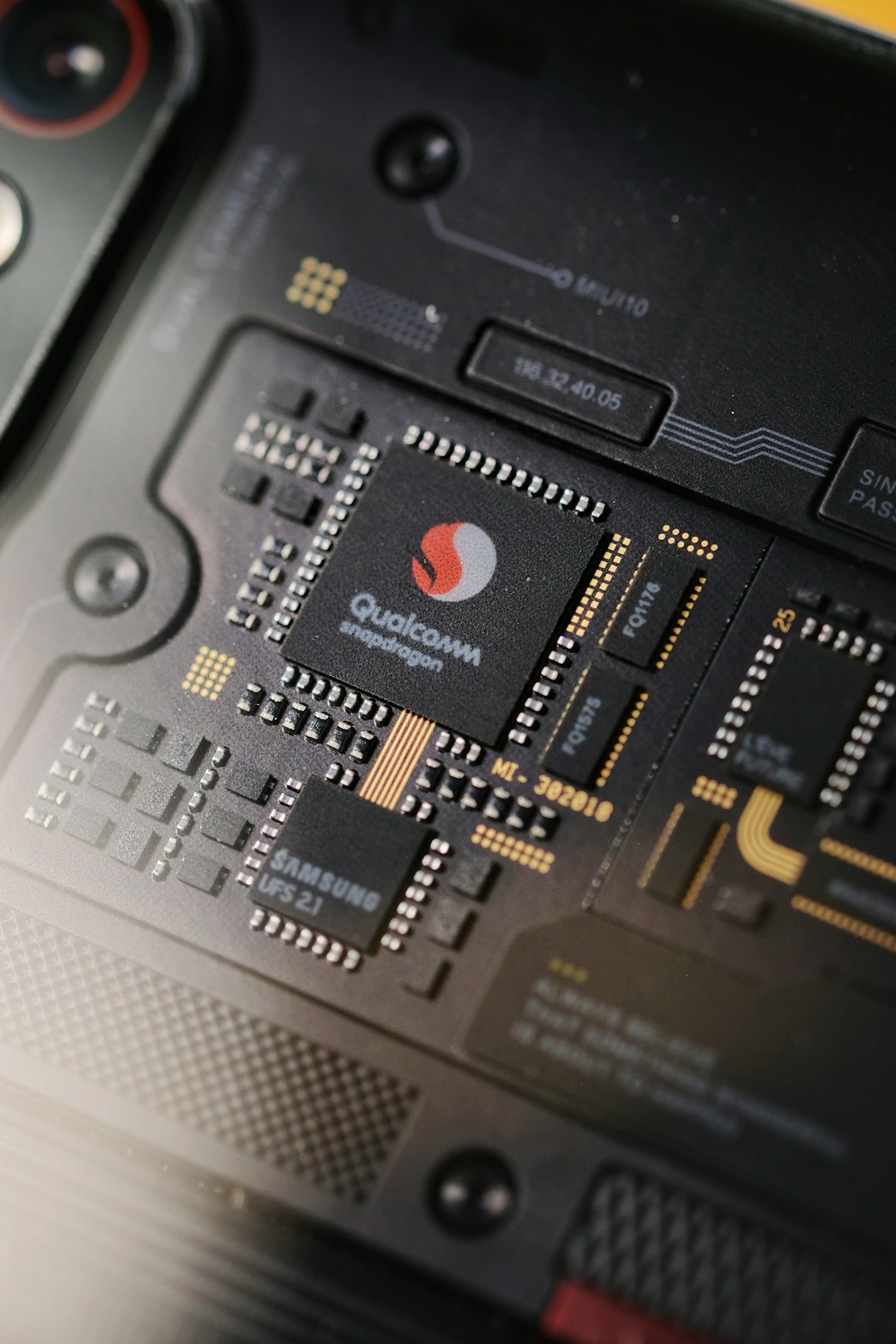
An emerging technology known as iSIM goes one step further than eSIM. Instead of embedding a separate SIM chip, iSIM integrates the SIM function directly into a device’s main processor.
This development could:
- Reduce power consumption
- Free even more internal space
- Lower manufacturing costs
If widely adopted, iSIM may accelerate the complete digital transformation of mobile connectivity and further diminish any remaining rationale for physical SIM cards.
Conclusion
Physical SIM cards are not disappearing overnight, but the trajectory is clear. Embedded and integrated SIM technologies offer compelling advantages in design, scalability, environmental impact, and convenience. Market differences and infrastructure challenges will slow the transition, particularly in regions where digital provisioning is less mature.
Over the coming decade, the traditional SIM card is likely to shift from industry standard to legacy option. Whether it vanishes entirely will depend on global coordination and consumer adaptation. However, the momentum behind digital connectivity suggests that the plastic SIM’s long-standing reign is entering its final chapters.
Frequently Asked Questions (FAQ)
1. What is the main difference between a physical SIM and an eSIM?
A physical SIM is a removable plastic card inserted into a device, while an eSIM is embedded directly into the device hardware and programmed digitally.
2. Are eSIM-only phones already available?
Yes. Some smartphone models in specific regions are sold without a SIM tray and rely entirely on eSIM technology.
3. Can eSIM be transferred between devices?
Yes, but the process typically involves deactivating the profile on one device and reactivating it on another through the carrier’s system.
4. Is eSIM more secure than a physical SIM?
Both systems use strong encryption and carrier authentication. eSIM may reduce risks related to physical theft, but overall security depends on implementation and network safeguards.
5. Will older phones stop working if physical SIM cards disappear?
No. Legacy support and gradual transitions ensure older devices will continue functioning for many years.
6. Do all carriers support eSIM?
Not yet. Support varies by country and provider, which is one reason physical SIM cards remain relevant.
7. Could physical SIM cards still exist in 15 years?
It is possible they will exist in limited or niche markets, but widespread mainstream use is expected to decline significantly as digital alternatives mature.