
IoT vulnerability scanning finds weak spots in connected devices before attackers do. That means cameras, sensors, badge readers, printers, routers, smart TVs, HVAC controllers, and factory gear. This matters because IoT is no longer “a few gadgets.” IoT Analytics estimated 18.8 billion connected IoT devices in 2024 [source: IoT Analytics]. More devices mean more forgotten passwords, old firmware, exposed services, and weird web panels nobody remembers installing.
TLDR: IoT vulnerability scanning checks connected devices for known flaws, risky settings, weak passwords, open ports, and outdated firmware. Nessus is polished and strong for broad vulnerability checks, while OpenVAS is free and flexible but needs more care. Dedicated IoT security platforms are better when you need device discovery, behavior tracking, and medical, industrial, or office IoT visibility. For example, a company with 500 IP cameras might find that 23% still use old firmware and 8% expose remote admin ports.
What IoT vulnerability scanning actually does
IoT scanning is not just “ping everything and print a report.” A good scan answers simple but painful questions:
- What devices are on the network?
- What ports and services are open?
- Which firmware versions are old?
- Are default passwords still active?
- Are devices using weak protocols like Telnet or old SSL?
- Can a known CVE be matched to the device?
The hard part is that IoT devices are fragile. Some do not like aggressive scans. A normal server may shrug off thousands of probes. A cheap camera may freeze, reboot, or stop recording. It drives me crazy that one “smart” device can be less stable than a $20 calculator, but that is the reality.
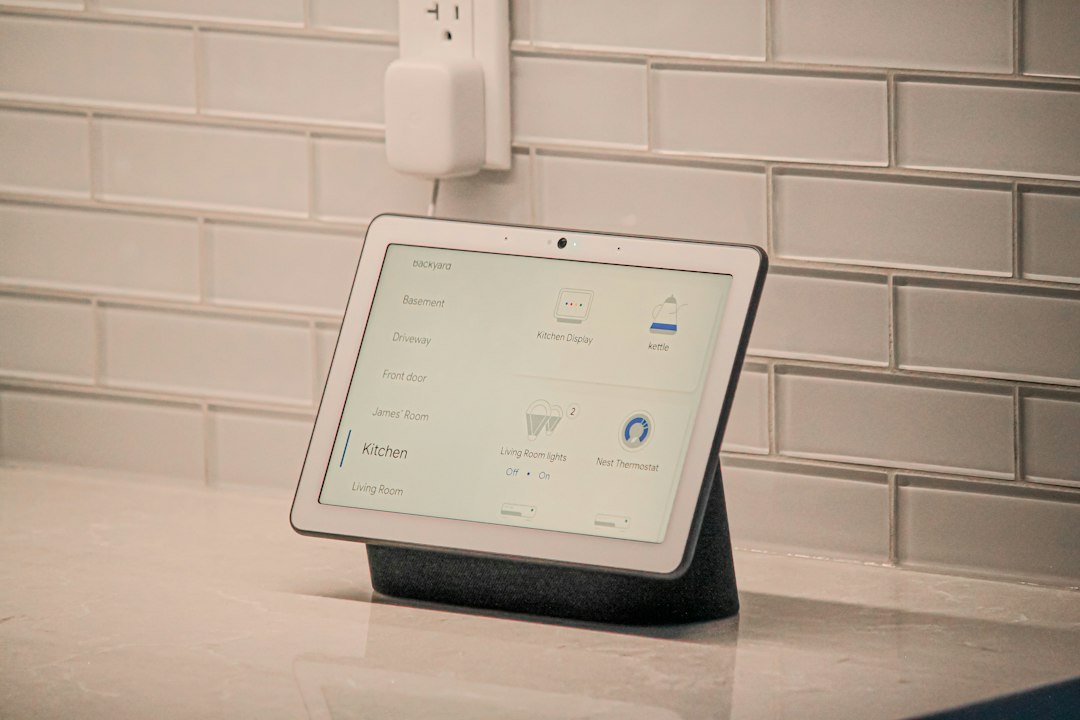
Nessus for IoT scanning
Nessus, from Tenable, is one of the best-known vulnerability scanners. It has a large plugin library, clear reports, and strong coverage for common systems. It is often the first tool security teams try because it feels finished. The interface is clean. The findings are easy to explain to managers. That counts.
For IoT, Nessus can detect many exposed services, weak configurations, missing patches, and known CVEs. It works well when devices identify themselves properly. It is also useful when IoT sits beside normal IT assets, such as Linux boxes, Windows hosts, switches, and firewalls.
Where Nessus works well:
- Mixed IT and IoT networks
- Compliance reporting
- Regular scheduled scans
- Teams that need readable reports fast
Where it can annoy you: IoT fingerprinting is not always perfect. A device may show up as “embedded Linux” with limited detail. Also, licensing costs can sting for small teams. Expect to spend time tuning scan intensity so fragile devices do not fall over.
OpenVAS for IoT scanning
OpenVAS, now part of the Greenbone Community Edition, is the open-source option many teams test next. It can scan for known vulnerabilities, exposed services, weak crypto, missing patches, and common misconfigurations. The biggest win is clear: it is free to start.
That does not mean it is effortless. Setup can feel clunky. Feed updates, scan tuning, certificates, and performance all need attention. Honestly, it feels like OpenVAS asks for more patience than it should. Still, if you have technical staff and a tight budget, it can be a solid choice.
Where OpenVAS works well:
- Budget-conscious security programs
- Labs and test networks
- Teams with Linux skills
- Custom scan workflows
Where it falls short: Reports may need cleanup before sharing. Device identification can be rough. Performance tuning takes time. Like Nessus, it may miss context that matters for IoT, such as who owns a device, where it sits, and whether its behavior is normal.
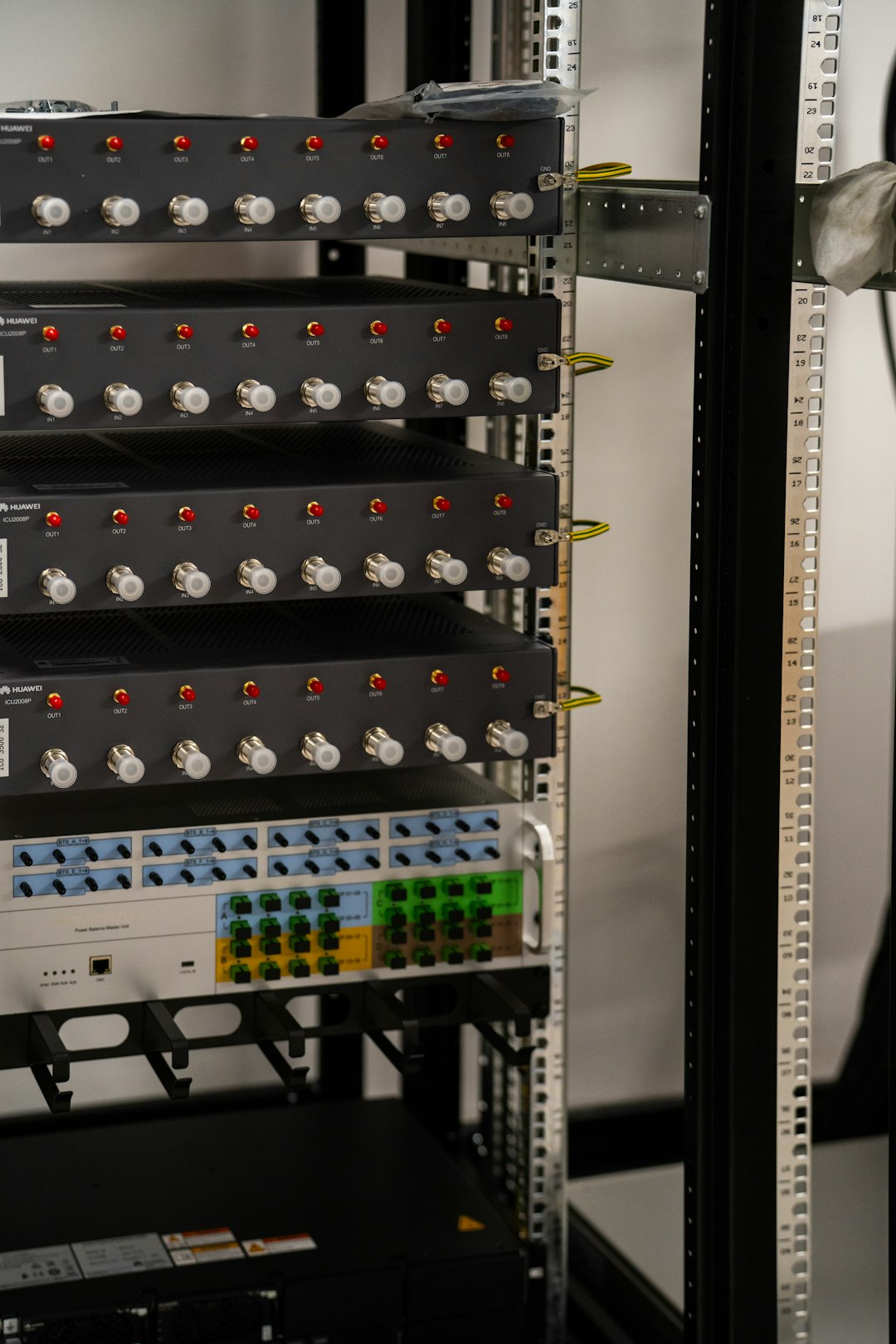
Dedicated IoT security platforms
IoT security platforms are built for a different job. They do not only scan. They watch. They classify devices, track behavior, flag risky communication, and often integrate with firewalls, NAC tools, and SIEM systems.
Examples include platforms from vendors such as Armis, Nozomi Networks, Claroty, Forescout, and Microsoft Defender for IoT. These tools are common in hospitals, factories, utilities, and large offices. That is because these places may have thousands of devices that cannot be patched quickly, shut down easily, or scanned aggressively.
What dedicated platforms do better:
- Passive discovery: They can identify devices without touching them directly.
- Behavior checks: They notice when a camera starts talking to a strange country.
- Asset context: They show device type, vendor, model, owner, and location.
- Risk scoring: They rank what needs fixing first.
- Segmentation support: They help isolate risky devices.
The price is the tradeoff. These platforms cost more. They also need planning. You may need network taps, span ports, cloud connectors, or firewall integrations. But if your environment is full of medical pumps, badge systems, industrial controllers, and security cameras, the extra visibility is often worth it.
Nessus vs OpenVAS vs IoT platforms
| Option | Best for | Main weakness |
|---|---|---|
| Nessus | Fast, polished vulnerability scanning | Costs money and may lack deep IoT context |
| OpenVAS | Low-cost scanning and technical teams | Needs more setup and report cleanup |
| IoT security platforms | Large, complex, or sensitive IoT networks | Higher cost and more planning |

Which one should you choose?
Pick Nessus if you want a mature scanner, clear reports, and broad coverage across IT and IoT. Pick OpenVAS if budget is tight and your team can handle the extra work. Pick a dedicated IoT security platform if device discovery, passive monitoring, and behavior tracking matter more than one-time scan results.
For many teams, the best answer is a mix. Use Nessus or OpenVAS for scheduled vulnerability checks. Use an IoT security platform for continuous visibility. Then segment risky devices, remove default passwords, block unused ports, and track firmware updates. The scanner finds the mess. The real win comes from fixing it.