
Search Engine Visibility Score measures how visible a site is across a chosen set of search engines, while Google Visibility Score measures visibility in Google only, usually through a third-party SEO tool rather than Google itself. Google Search Console reports clicks, impressions, CTR, and average position, but not an official “visibility score” [source: Google Search Central]. That difference matters. If you treat both scores as the same metric, you can misread growth, waste effort, and report the wrong story to clients or managers.
TLDR: A Search Engine Visibility Score is broader. It may include Google, Bing, Yahoo, and other search engines, depending on the tool. A Google Visibility Score focuses only on rankings and estimated exposure in Google.
Example: If your site tracks 500 keywords with 120,000 total monthly searches, a tool may estimate that your rankings capture 9% of possible organic visibility. If Google makes up 92% of that search demand, your Google Visibility Score may rise while your wider search engine score barely moves.
What a Search Engine Visibility Score measures
A Search Engine Visibility Score usually estimates how often your website is seen in organic search results across more than one search engine. The exact formula depends on the SEO platform. That is part of the problem. Two tools can use the same keyword list and still show different scores.
Most tools use a mix of:
- Tracked keyword rankings, such as positions 1 to 100.
- Search volume, often monthly estimates.
- Click-through rate curves, which guess how many clicks each ranking position receives.
- Search engine coverage, such as Google, Bing, Yahoo, or regional engines.
- Device type, usually desktop, mobile, or both.
In plain terms, the score asks: How much of the available organic search attention do we appear to own?
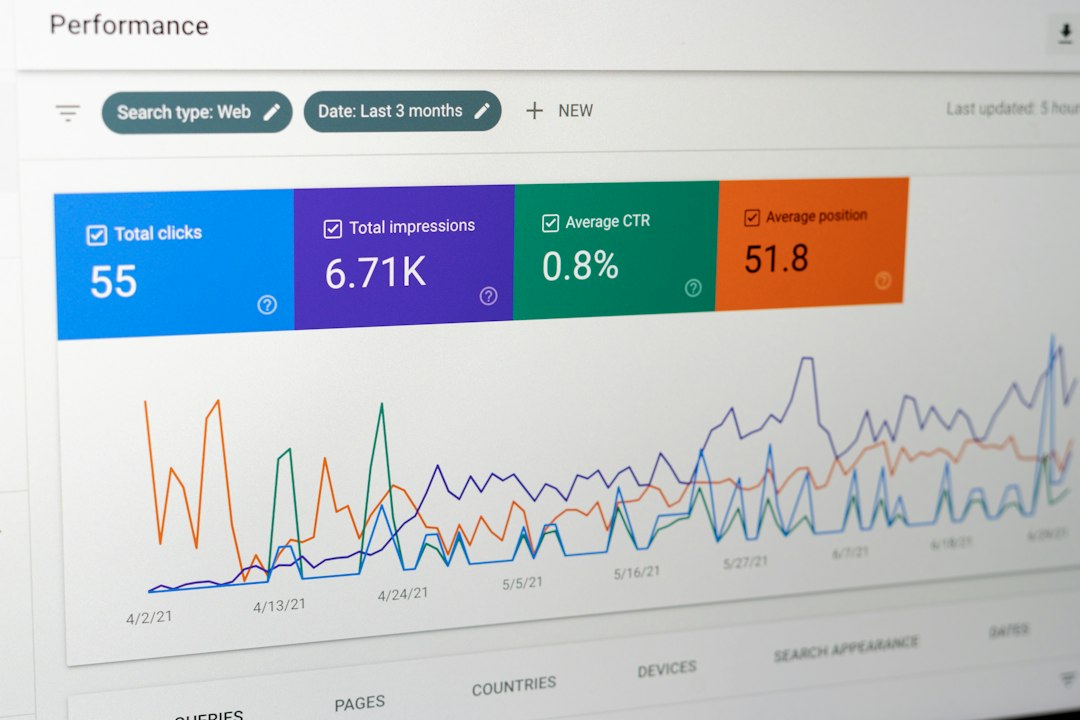
This metric is useful for brands that care about more than Google. That includes companies in markets where Bing has a meaningful share, businesses selling to older desktop users, and global brands that track search engines by country. It can also help when reporting general SEO health to executives who do not want a spreadsheet with 2,000 keyword rows.
What a Google Visibility Score measures
A Google Visibility Score narrows the same idea to Google search results. It estimates how visible your site is for a tracked keyword set inside Google only. It may include Google desktop, Google mobile, or both, based on the settings in your SEO tool.
Google does not provide a native “Google Visibility Score” in Search Console. That phrase usually comes from SEO software. It is a calculated score, not a direct Google number. Honestly, it feels like this naming causes more confusion than it should. A client sees “Google Visibility” and assumes it came from Google. Most of the time, it did not.
Google Visibility Score is often better for SEO teams that focus on Google rankings, Google organic traffic, and Google SERP features. It is sharper. It removes noise from other search engines. If Google drives 85% to 95% of your organic traffic, this score will often be the cleaner KPI.
The main difference is scope
The key difference is simple: Search Engine Visibility Score is multi-engine. Google Visibility Score is Google-only.
| Metric | What it covers | Best use |
|---|---|---|
| Search Engine Visibility Score | Multiple search engines, depending on tool settings | Broad SEO reporting and market comparison |
| Google Visibility Score | Google rankings only | Google-focused SEO tracking and traffic analysis |
The score may change for reasons that have nothing to do with real traffic. A keyword can move from position 8 to position 4 and boost the score, even if that keyword rarely converts. Another keyword may fall from position 2 to position 6 and hurt the score badly, even if traffic only drops a little. Expect some mismatch between visibility and revenue.
Why the scores vary between tools
It drives me crazy that SEO tools rarely explain their scoring models clearly. One may weight position 1 heavily. Another may give more credit to top 10 rankings. A third may adjust for SERP features, such as ads, maps, images, video, and featured snippets.

Here are common reasons scores differ:
- Different keyword sets: A score based on 50 keywords is not comparable to one based on 5,000.
- Different search volumes: Tools estimate volume in different ways.
- Different CTR models: Position 1 may be valued at 25% in one tool and 32% in another.
- Different locations: A ranking in New York may not match a ranking in London.
- Different devices: Mobile rankings can differ from desktop rankings.
Which score should you use?
Use Google Visibility Score when Google is your main search channel. This is the normal choice for most SEO teams, especially in English-speaking markets. It is also easier to compare with Google Search Console data, such as clicks, impressions, and average position.
Use Search Engine Visibility Score when you need a wider view. This makes sense for large brands, international sites, publishers, and companies that care about search share beyond Google.
The best setup is to track both, but report them differently. Keep Google Visibility Score as your main SEO performance signal. Use Search Engine Visibility Score as a broader market signal. Do not mix them in the same chart unless the labels are painfully clear.
How to read the numbers without fooling yourself
A visibility score is not traffic. It is not sales. It is not profit. It is an estimate of exposure based on selected keywords and ranking positions.
A rising score is good, but check the details. Did high-value keywords improve? Did branded terms carry the growth? Did rankings rise in mobile results or only desktop results? Did impressions in Search Console also increase?
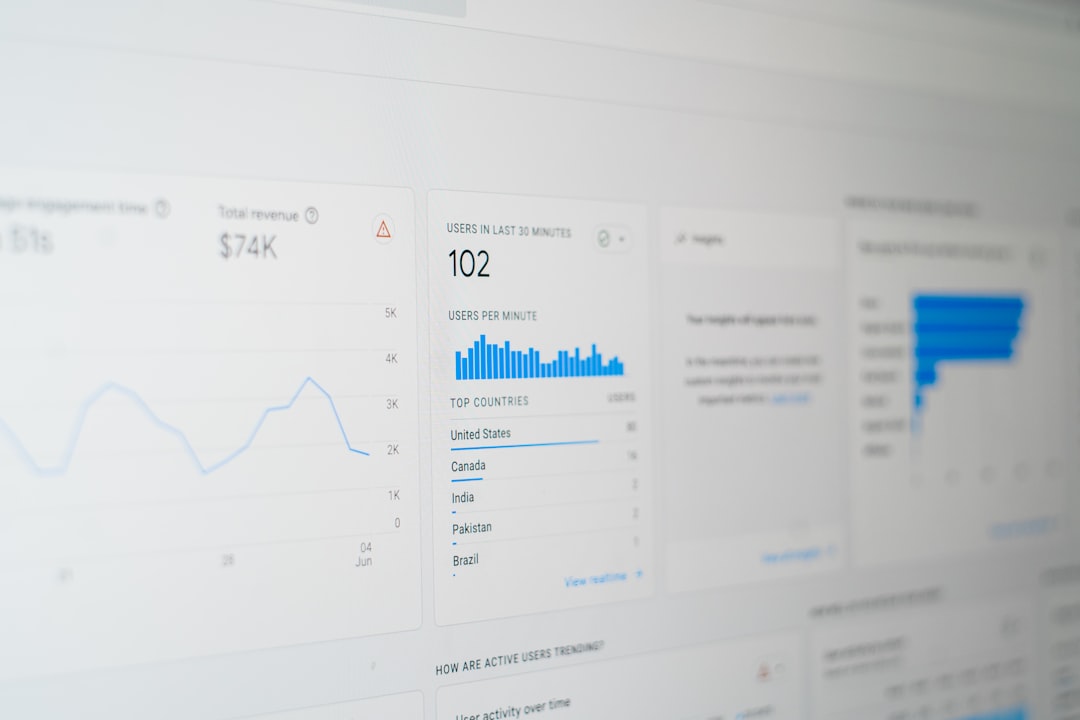
The safest method is to pair visibility with real data:
- Visibility Score for ranking exposure.
- Google Search Console for impressions and clicks.
- Analytics data for sessions, leads, and revenue.
- Keyword groups for branded, non-branded, product, and informational terms.
Bottom line: Search Engine Visibility Score tells you how visible you are across the search engines your tool tracks. Google Visibility Score tells you how visible you are in Google. Both are useful. Neither is perfect. Treat them as directional signals, then confirm the story with traffic, conversions, and revenue.