
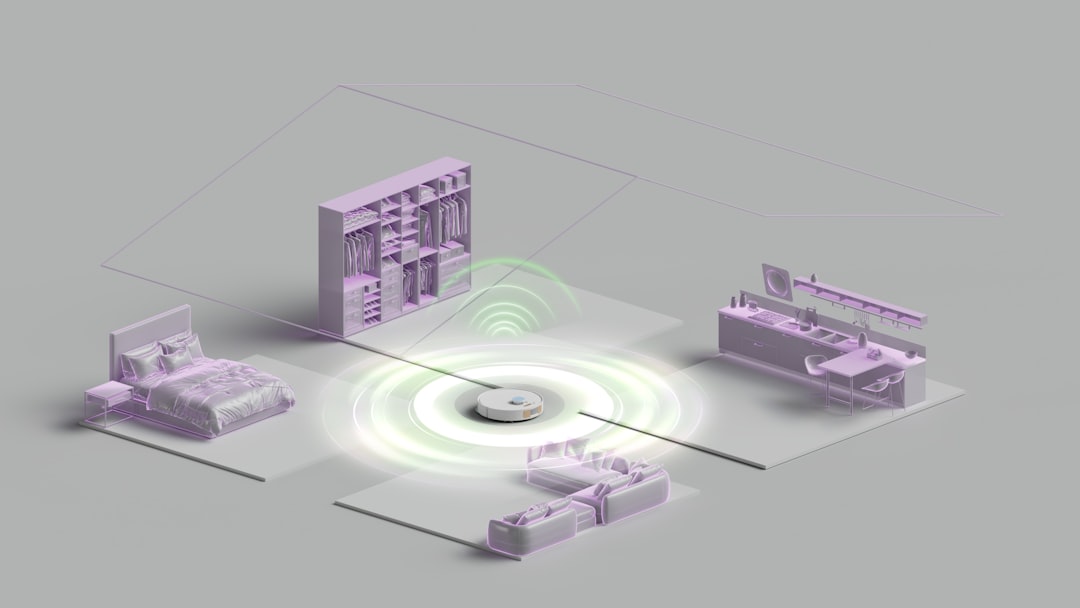
Smart homes have evolved from a futuristic concept into an everyday reality, with connected devices managing everything from lighting and climate to security and entertainment. However, as the number of smart gadgets grows, so does the complexity of keeping them synchronized. That is where smart home hubs come in. These central control units streamline communication between devices, simplify automation, and provide a single interface for managing a connected home.
TLDR: Smart home hubs act as the command center for all connected devices, unifying control and automation. Top options include Amazon Echo hubs, Google Nest Hub, Samsung SmartThings, Apple HomePod with HomeKit, and Hubitat Elevation. Each hub offers unique strengths in compatibility, automation, and privacy. Choosing the best one depends on device ecosystem, technical skill level, and preferred voice assistant.
With dozens of hubs on the market, finding the right one can feel overwhelming. The best choice depends on the devices already in use, the home’s size, and the user’s comfort with technology. Below is an in-depth look at the top smart home hubs available today and what makes each one stand out.
What Is a Smart Home Hub and Why It Matters
A smart home hub acts as the central brain of a connected home. Instead of individual apps controlling each device separately, the hub unifies them into one cohesive system. It communicates using protocols like Wi-Fi, Zigbee, Z-Wave, Thread, or Matter to ensure devices can speak to one another.
- Device consolidation: Manage multiple brands from one interface.
- Automation: Create routines and triggers for seamless operation.
- Remote access: Control the home from anywhere via smartphone apps.
- Voice integration: Pair with assistants like Alexa, Google Assistant, or Siri.
Without a hub, users often face fragmented control systems and limited automation capabilities. A hub simplifies everything.
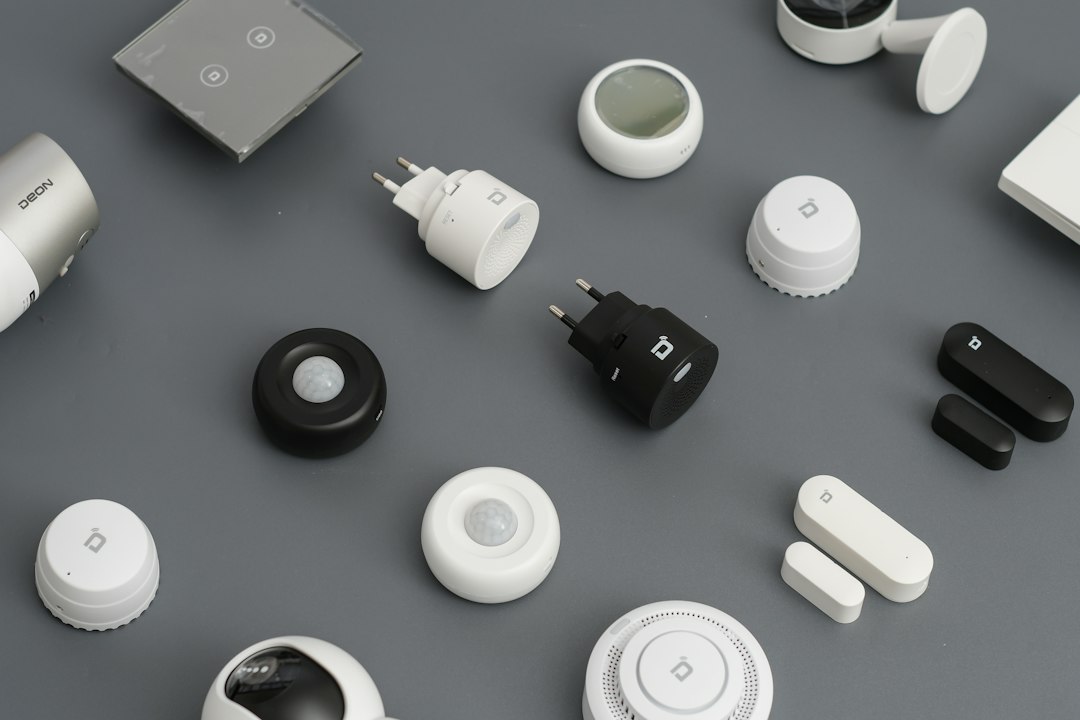
1. Amazon Echo Hub and Echo Devices with Alexa
Amazon has become a dominant force in smart home technology. While many Echo devices function primarily as smart speakers, select models and the newer Echo Hub include built-in smart home controllers supporting Zigbee, Matter, and Thread.
Key Advantages:
- Wide device compatibility
- User-friendly Alexa app
- Strong voice command capabilities
- Affordable entry-level options
Alexa routines allow users to automate daily tasks effortlessly. For example, a single command such as “Good night” can turn off lights, lock doors, and adjust the thermostat. The Echo Hub’s touchscreen panel adds centralized visual control, ideal for kitchen walls or entryways.
This hub suits households deeply invested in Amazon’s ecosystem or those seeking budget-friendly accessibility.
2. Google Nest Hub (2nd Gen) and Google Home Integration
Google’s Nest Hub combines smart display functionality with impressive AI-powered voice control. While it does not replace a dedicated Zigbee or Z-Wave hub on its own, its integration with compatible devices and Matter support makes it increasingly powerful.
Why It Stands Out:
- Exceptional voice recognition accuracy
- Seamless integration with Google services
- Clean, intuitive interface
- Strong AI-driven automation suggestions
Google Assistant excels at natural conversation, making it ideal for users who prefer conversational commands. Integration with Google Calendar, Maps, and media services enhances its versatility.
For Android users and Google ecosystem enthusiasts, Nest Hub provides a smooth and intelligent smart home experience.
3. Samsung SmartThings Hub
Samsung’s SmartThings Hub is often considered one of the most versatile smart home hubs available. It supports multiple communication protocols including Zigbee, Z-Wave, and now Matter.

Core Strengths:
- Broad compatibility across brands
- Advanced automation customization
- Detailed device monitoring
- Reliable cloud and local control balance
SmartThings excels in flexibility. Users can create detailed automation rules involving multiple triggers, such as temperature, motion detection, and time-based conditions. This makes it highly attractive to tech-savvy homeowners.
Another advantage is the SmartThings mobile app, which provides comprehensive control and monitoring tools. It is a strong choice for households with a diverse mix of smart devices.
4. Apple HomePod (2nd Gen) with HomeKit
For those immersed in Apple’s ecosystem, HomePod paired with Apple HomeKit offers seamless and secure smart home management. The newer HomePod models support Thread and Matter, improving compatibility significantly.
Main Benefits:
- Strong privacy protections
- End-to-end encryption
- Smooth iOS integration
- Reliable local automation
Apple emphasizes security, processing much of its automation locally rather than relying solely on the cloud. The Home app offers a clean interface, though device compatibility remains slightly narrower compared to competitors.
For iPhone, iPad, and Mac users who prioritize privacy and elegant design, HomePod and HomeKit offer a refined and secure solution.
5. Hubitat Elevation
Hubitat Elevation targets advanced users who want maximum control and minimal cloud dependence. Unlike many hubs, Hubitat focuses heavily on local automation processing.
Why Choose Hubitat:
- Extensive customization
- Fast local execution
- No mandatory cloud reliance
- Wide protocol support
This hub is not as beginner-friendly as Alexa or Google systems. However, it rewards technically inclined users with deep automation capabilities and fast reaction times.
Key Features to Consider Before Buying
When selecting a smart home hub, several factors should guide the decision:
- Compatibility: Ensure support for existing devices and future expansion.
- Protocols Supported: Look for Zigbee, Z-Wave, Thread, and Matter compatibility.
- Voice Assistant Integration: Choose between Alexa, Google Assistant, or Siri.
- Automation Capability: Assess rule complexity and customization options.
- Privacy and Security: Confirm encryption standards and data handling policies.
- User Experience: Evaluate app design and ease of setup.
Homes with simple needs may thrive on Alexa or Google. More complex systems often benefit from SmartThings or Hubitat. Apple users typically prefer HomeKit for seamless integration.
The Rise of Matter and Thread
The introduction of Matter, a universal smart home standard, is transforming the industry. Built to improve interoperability between brands, Matter allows devices to work across ecosystems more easily.
Thread, a low-power mesh networking protocol, enhances reliability and responsiveness. Many modern hubs now include both technologies, making future-proofing easier than ever.
This development reduces the risk of ecosystem lock-in and ensures broader compatibility over time.
Final Thoughts
Smart home hubs are essential for eliminating digital clutter and creating a cohesive smart living experience. The ideal hub depends largely on the household’s ecosystem preferences and desired level of customization.
Amazon and Google offer simplicity and accessibility. Samsung SmartThings excels in compatibility and flexibility. Apple prioritizes security and seamless integration. Hubitat leads in advanced local automation control.
Investing in the right hub transforms separate smart gadgets into a unified, intelligent system that saves time, enhances convenience, and improves home efficiency.
Frequently Asked Questions (FAQ)
1. Do all smart homes need a hub?
Not necessarily. Small setups with a few Wi-Fi devices may function without one. However, larger systems benefit greatly from centralized control and automation.
2. What is the difference between Zigbee and Z-Wave?
Both are wireless communication protocols designed for smart devices. Z-Wave typically has longer range per device, while Zigbee supports more devices on a single network.
3. Is Matter replacing existing smart home standards?
Matter is designed to unify and enhance compatibility rather than replace existing protocols. Many hubs now integrate Matter alongside Zigbee and Thread.
4. Which hub is best for beginners?
Amazon Echo and Google Nest Hub devices are generally the easiest to set up and operate.
5. Are smart home hubs secure?
Most reputable hubs use encryption and secure authentication. Privacy levels vary by brand, with Apple emphasizing local processing and encryption.
6. Can multiple hubs be used in one home?
Yes. Some households combine hubs to maximize compatibility, though this may increase setup complexity.