
QuickBooks Online is the best all-round Xero alternative for most small businesses, while Zoho Books is the value pick, FreshBooks suits service firms, Sage works for growing finance teams, and Wave is hard to beat for very small teams. Xero is still strong, especially for invoicing, bank feeds, and reporting, but its plan limits and add-on costs can push owners to compare options [source: Xero].
TLDR: If you want the safest Xero replacement, pick QuickBooks Online. If you send around 40 invoices a month and reconcile two bank accounts, Zoho Books can often cover the same core work at a lower monthly cost. FreshBooks is better if you bill clients by time. Wave is best when your budget is close to zero and your books are simple.
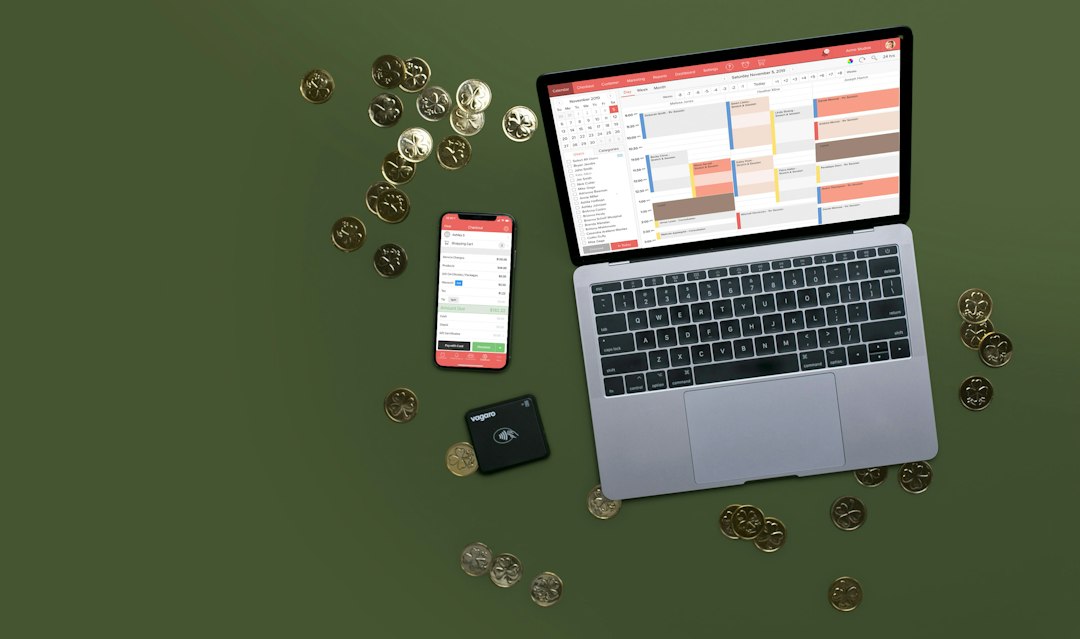
1. QuickBooks Online: Best overall Xero alternative
Best for: Small businesses that want strong invoicing, tax tools, bank reconciliation, payroll add-ons, and accountant support.
QuickBooks Online is the obvious Xero rival, and for good reason. It handles everyday accounting well. You can create invoices, match bank transactions, track bills, run profit and loss reports, and prepare sales tax reports from one place.
The big win is its ecosystem. Many bookkeepers already know it. Many apps connect to it. If you need payroll, inventory, time tracking, or project costing, QuickBooks is usually ready for that next step.
- Invoicing: Custom invoices, recurring bills, payment links, estimates, and reminders.
- Bank reconciliation: Strong bank feeds and matching rules.
- Tax reporting: Sales tax tracking, accountant access, and year-end reports.
- Cash flow: Simple forecasts, overdue invoice views, and spending reports.
The annoying bit? Some settings are tucked away in odd places. It can take several extra clicks to fix a small invoice template issue. Still, it is polished and dependable.
2. Zoho Books: Best value for growing small businesses
Best for: Owners who want solid accounting without paying for a huge software stack.
Zoho Books is clean, fast, and packed with features. It covers invoices, bank rules, expense tracking, purchase orders, project billing, and multi-currency accounting. If you already use Zoho CRM, Zoho Inventory, or Zoho People, the fit is even better.
Zoho Books also has a free plan in some markets for businesses under certain revenue limits [source: Zoho]. That makes it attractive for new companies watching every dollar.
- Invoicing: Good templates, recurring invoices, client portals, and payment reminders.
- Bank reconciliation: Bank feeds, transaction matching, and rule-based sorting.
- Tax reporting: Sales tax, VAT, or GST tools depending on your region.
- Cash flow: Receivables reports, payables reports, and budget tracking.
If Xero feels a bit pricey for your current size, Zoho Books is a smart swap. The interface feels less bloated than some rivals, which is a relief when you just want to close the month.

3. FreshBooks: Best for freelancers and service businesses
Best for: Consultants, designers, agencies, contractors, and anyone who bills by time or project.
FreshBooks started with invoicing, and it still shows. Creating a polished invoice is quick. Tracking billable hours is easy. Sending estimates and turning them into invoices feels natural.
It is not as deep as Xero or QuickBooks for complex accounting. That may not matter. If your business sells services, not hundreds of product SKUs, FreshBooks keeps things simple.
- Invoicing: Excellent client invoices, deposits, retainers, late fees, and reminders.
- Bank reconciliation: Bank imports and expense matching for routine work.
- Tax reporting: Expense categories, tax summaries, and accountant exports.
- Cash flow: Dashboards for overdue invoices, revenue, expenses, and profit.
Honestly, it feels like FreshBooks was built for people who hate accounting. That is a compliment. The trade-off is that larger businesses may outgrow it faster.
4. Sage Accounting: Best for companies that need structure
Best for: Established small businesses and finance teams that want tighter controls.
Sage Accounting suits businesses that care about accuracy, roles, compliance, and reporting discipline. It is a good pick if you want accounting software that feels a bit more traditional and controlled.
Sage handles invoices, quotes, bank feeds, cash flow views, tax reports, and supplier bills. It can also work well for businesses with outside accountants who prefer clear audit trails.
- Invoicing: Quotes, invoices, recurring billing, and payment tracking.
- Bank reconciliation: Bank feeds and rules to speed up matching.
- Tax reporting: VAT support in many regions, plus useful audit records.
- Cash flow: Forecasting tools and debtor reports.
The interface is not always the friendliest. Expect to waste time on setup if your chart of accounts is messy. Once configured, though, Sage can feel solid and controlled.
5. Wave: Best free option for very small businesses
Best for: Sole traders, side businesses, and tiny teams with basic needs.
Wave is popular because the core accounting tools can be free in some regions. You can send invoices, track income and expenses, import bank transactions, and review basic reports without a steep learning curve.
Wave makes sense if your books are simple. Maybe you send 10 invoices a month, have one bank account, and only need a profit and loss report at tax time. In that case, paying for a bigger system may be overkill.
- Invoicing: Unlimited invoices, client records, and online payment options.
- Bank reconciliation: Basic transaction imports and matching tools.
- Tax reporting: Income, expense, and report exports for your accountant.
- Cash flow: Simple dashboards showing money in and out.
The catch is that Wave can feel thin as your business grows. Inventory, advanced reports, and deeper controls are limited. Still, for a lean business, it is a practical starting point.

How to choose the right Xero alternative
- Choose QuickBooks Online if you want the broadest feature set and easy accountant support.
- Choose Zoho Books if price, automation, and connected business apps matter most.
- Choose FreshBooks if you sell services and need better invoicing than bookkeeping depth.
- Choose Sage if your finance process needs tighter rules and cleaner controls.
- Choose Wave if you want simple accounting and very low cost.
Final pick: Most businesses should shortlist QuickBooks Online and Zoho Books first. They cover the main jobs well: invoices, bank reconciliation, tax reports, and cash flow checks. If your needs are simpler, FreshBooks or Wave may save both money and stress.