

As we venture further into the digital age, smart devices continue to revolutionize our everyday lives. Among the most impactful of these innovations is the smart thermostat. These intelligent appliances have grown in sophistication and popularity, offering homeowners convenience, energy savings, and increased control over their home environment. As of 2025, smart thermostats are smarter than ever. With so many models and features available, choosing the right one can be overwhelming. This guide will walk through everything a buyer needs to know before investing in a smart thermostat this year.
Why Choose a Smart Thermostat?
Smart thermostats are more than just programmable devices—they’re dynamic tools that learn, adapt, and automate your home’s heating and cooling systems. They offer several advantages over traditional thermostats, including:
- Energy Efficiency: They optimize heating and cooling patterns, potentially reducing energy bills by up to 20-25% annually.
- Remote Access: Adjust settings from anywhere via mobile apps or voice control.
- Integration with Smart Homes: Work seamlessly with other smart devices and personal assistants like Amazon Alexa, Google Assistant, and Apple HomeKit.
- Learning Capability: Many models learn user preferences and auto-adjust over time for comfort and energy efficiency.
With these benefits, it’s no wonder consumer interest in smart thermostats continues to grow.
Top Features to Consider in 2025
Technology moves fast, and 2025 has ushered in a new standard for smart thermostat features. Here’s what to look for:
1. AI-Based Learning
Many newer models now incorporate artificial intelligence to analyze your daily routines and adjust heating and cooling automatically. These thermostats require minimal user input after initial setup.
2. Improved Geofencing
Advanced geofencing uses your smartphone’s location to detect when you’re home or away, adjusting temperatures accordingly. New models feature more precise radius settings and integration for multiple users.
3. Enhanced Voice Assistant Compatibility
Thermostats in 2025 support seamless communication with Alexa, Google Assistant, Siri, and even newer AI assistants. Look for models with native support rather than relying on third-party skills or workarounds.
4. Detailed Energy Reports
Modern thermostats now provide colorful, data-driven energy usage reports. These insights help users track energy conservation efforts and savings over time.

5. HVAC System Compatibility
Ensure the model you choose is compatible with your home’s HVAC setup. Most smart thermostats support common systems, but for dual-fuel or zone control systems, advanced models may be required.
6. Touchscreen and User Interface
A user-friendly interface goes a long way when interacting with your thermostat. Look for models with vibrant touchscreens, intuitive navigation, and customizable displays.
7. Occupancy Sensors
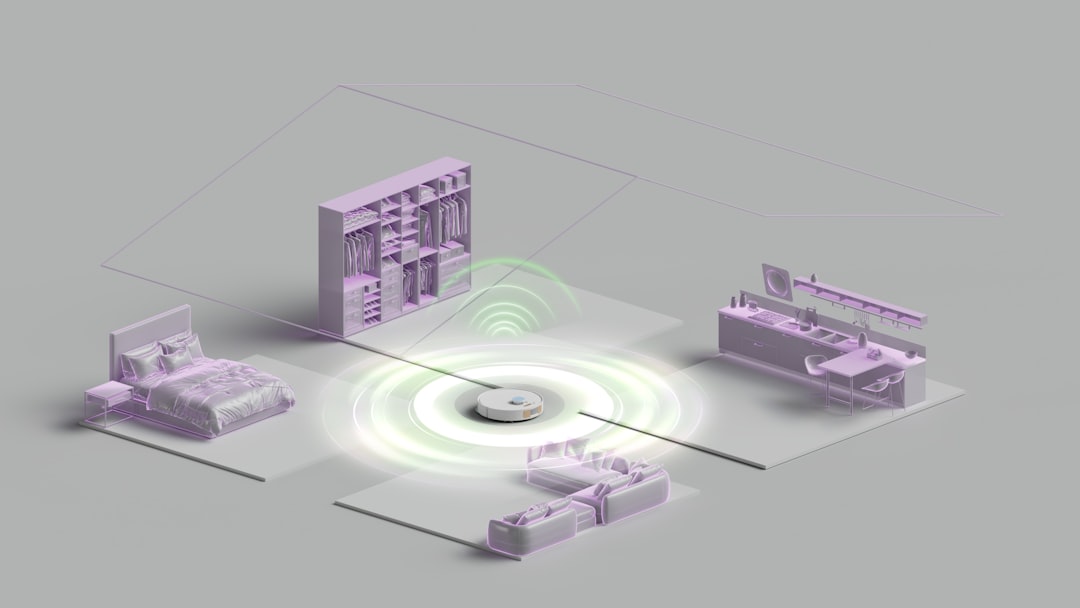
Many new thermostats work with smart sensors placed in different rooms to balance comfort more effectively, detecting motion and room usage patterns to better regulate temperatures.
8. Smart Scheduling and Automation
2025 models allow customized temperature schedules with deep automation capabilities through apps like IFTTT, SmartThings, and others.
Top Smart Thermostats of 2025
Here are some of the leading smart thermostats this year based on performance, features, and customer reviews:
- Ecobee Smart Thermostat Premium: Known for its built-in air quality sensor, radar-based motion detection, and compatibility with external sensors.
- Google Nest Learning Thermostat (2025 Edition): Features AI-powered learning, stylish design, and deep Google ecosystem integration.
- Amazon Smart Thermostat Pro: Affordable and easy to install, with strong Alexa integration and reliable performance.
- Honeywell Home T10 Pro Smart Thermostat: Excellent for managing multiple zones and offering detailed energy tracking options.
Installation and Setup Considerations
While many smart thermostats are designed for DIY installation, it’s important to understand system requirements.
- C-Wire Requirement: A common wire (C-wire) is required by most smart thermostats for constant power. If your system doesn’t have one, installation may be more complex.
- Wi-Fi Network: Ensure a stable 2.4 GHz or 5 GHz connection; some models now support Wi-Fi 6 for faster syncing.
- Professional Installation: For complex HVAC setups or multi-zone homes, hiring a technician is advised.
Smart Thermostat Cost and ROI
The initial cost of a smart thermostat in 2025 ranges from $100 to $400. While premium models offer advanced features, even budget-conscious options present notable benefits in energy savings. Homeowners often report that a smart thermostat pays for itself within the first one to two years through reduced energy bills.
Privacy and Security in 2025
As with any connected device, data privacy is a concern. Manufacturers have responded with stronger encryption protocols, on-device processing, and enhanced user controls for data sharing. When choosing a model, review privacy policies and consider options that support local data storage rather than cloud reliance.
Conclusion
Smart thermostats are an integral part of the connected home, making temperature management more efficient, intuitive, and cost-effective. In 2025, buyers benefit from advanced AI, better home integrations, and smarter design. Whether upgrading your home’s ecosystem or replacing an aging thermostat, now is a prime time to embrace smart technology for energy and comfort benefits.
Frequently Asked Questions (FAQ)
-
Q: Will a smart thermostat work with any HVAC system?
A: Most smart thermostats are compatible with common systems, but it’s crucial to check model specifications. Systems like multi-stage and heat pumps may require specific models. -
Q: Do I need a C-wire?
A: Many models require a C-wire. Some include adapters or use alternative methods like power stealing. For reliability, a C-wire is preferable. -
Q: How much can I expect to save with a smart thermostat?
A: Estimated savings range from 15% to 25% on heating and cooling costs annually, depending on user behavior and home size. -
Q: Can I install it myself?
A: Yes, if your HVAC system is compatible and wiring is straightforward. Otherwise, hiring a technician is recommended. -
Q: Are there any subscription fees?
A: Most smart thermostats have no ongoing fees. However, some premium features (like advanced energy reports) may require subscriptions. -
Q: Is it safe to share data from my thermostat?
A: Leading thermostat brands prioritize security and offer options for anonymizing or disabling data sharing. Always review privacy settings during setup.