
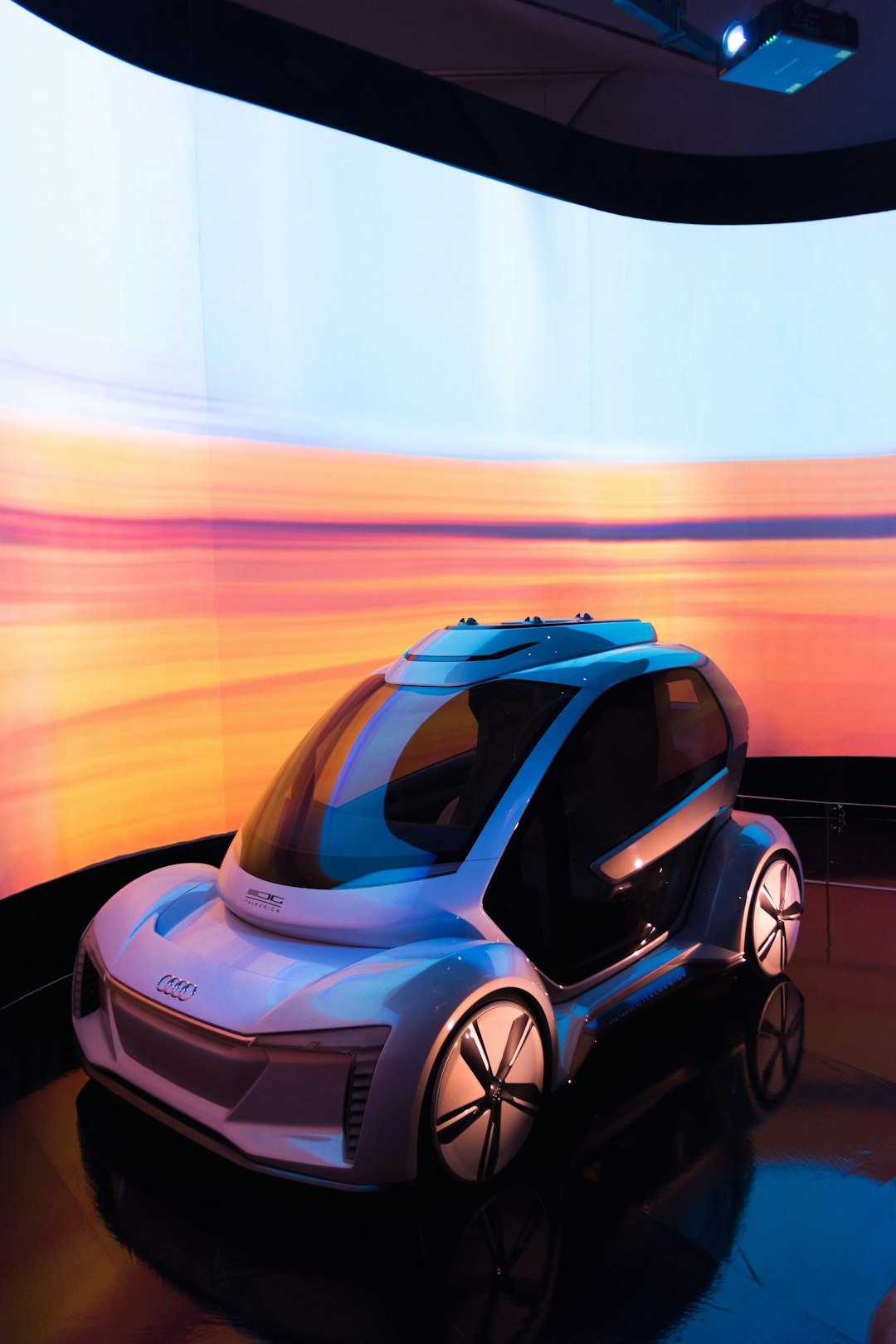
The concept of the bedroom has evolved dramatically over the past decade. Once defined primarily by comfort and aesthetics, today’s bedroom is increasingly shaped by intelligent systems, connected devices, and responsive environments. As smart technology becomes more sophisticated and seamlessly integrated into daily living, futuristic bedroom design trends are shifting toward spaces that are adaptive, intuitive, and deeply personalized. The modern bedroom is no longer just a place to sleep—it is a controlled ecosystem designed to enhance rest, productivity, mental clarity, and overall well-being.
TLDR: Smart technology is reshaping bedroom design into highly personalized, automated, and wellness-focused environments. Key trends include adaptive lighting, AI-driven climate control, voice-enabled systems, multifunctional furniture, and integrated health monitoring. Minimalist aesthetics now conceal powerful technology that enhances comfort without visual clutter. The future bedroom is intelligent, energy-efficient, and tailored to individual routines.
The Rise of Intelligent Lighting Systems
One of the most transformative trends in futuristic bedroom design is the integration of adaptive lighting systems. Lighting is no longer static; instead, it responds dynamically to time of day, sleep cycles, and personal preference.
Advanced smart lighting systems now offer:
- Circadian rhythm alignment that gradually transitions from energizing daylight tones to warm evening hues
- Automated dimming schedules based on bedtime routines
- Motion-activated floor lighting for nighttime navigation
- Voice and app-based controls for effortless adjustments

Designers are embedding LED strips into headboards, ceiling coves, and under-bed frames to create subtle glows without visible fixtures. These installations maintain a clean, minimalist appearance while delivering maximum functionality. The result is a calming space that actively supports healthy sleep patterns rather than disrupting them.
AI-Powered Climate and Comfort Control
Thermal comfort plays a critical role in sleep quality, and modern smart bedrooms increasingly rely on artificial intelligence to optimize temperature and airflow. Rather than adjusting thermostats manually, homeowners now use AI-driven climate systems that learn patterns over time.
These systems can:
- Track preferred sleeping temperatures
- Adjust humidity levels automatically
- Pre-cool or pre-warm the bedroom before bedtime
- Integrate with smart blinds to regulate sunlight exposure
Smart vents and responsive HVAC zones allow bedrooms to function as independent comfort environments separate from the rest of the home. In high-end designs, climate control even works in tandem with biometric sensors embedded in mattresses to adjust temperature throughout the night.
This combination of predictive technology and responsive materials creates a bedroom that adapts continuously, often without the user noticing the technology at work.
Multifunctional Smart Furniture
As urban living spaces become more compact, futuristic bedrooms increasingly rely on intelligent furniture solutions. Beds, nightstands, and wardrobes now integrate technology while maintaining sleek forms.
Popular innovations include:
- Smart beds with adjustable firmness and sleep tracking
- Integrated wireless charging surfaces built into nightstands
- Motorized storage compartments activated via app or voice command
- Transformable desks concealed within wall panels

Smart beds represent one of the most significant shifts. Many include biometric monitoring, anti-snore adjustments, temperature regulation, and even gentle wake-up vibrations. These features aim not merely to provide comfort but to actively improve health metrics.
Design aesthetics remain restrained, typically featuring neutral palettes, matte finishes, and concealed cables. Technology is subtle rather than visually dominant. The overarching principle is invisible intelligence.
Voice and Gesture-Controlled Environments
Hands-free interaction is becoming foundational in high-tech bedroom design. Voice-activated assistants and gesture-based controls reduce friction and eliminate the need for multiple switches and remotes.
Common functionalities include:
- Opening and closing motorized blinds
- Adjusting lighting scenes
- Controlling music and white noise
- Locking doors and activating security systems
Designers carefully integrate microphones, speakers, and control panels into architectural features such as ceilings or headboards. The result is a decluttered aesthetic that aligns with contemporary minimalism.
Looking forward, gesture recognition technology is becoming more refined. Subtle hand movements may soon control ambient lighting or media without voice commands, enhancing privacy and quietness within the space.
Wellness-Centered Design and Biometric Integration
One of the most compelling drivers of futuristic bedroom trends is the growing emphasis on wellness. Bedrooms are being engineered to support both physical and mental health.
Innovations increasingly focus on:
- Air quality monitoring systems that detect pollutants and allergens
- Automated aromatherapy diffusers programmed for relaxation cycles
- Smart mattresses tracking heart rate and sleep stages
- Soundscaping systems for guided meditation or white noise
Integrated sleep dashboards now compile nightly data and offer actionable insights. Rather than relying on wearable devices alone, the room itself becomes a data-gathering and optimization environment.
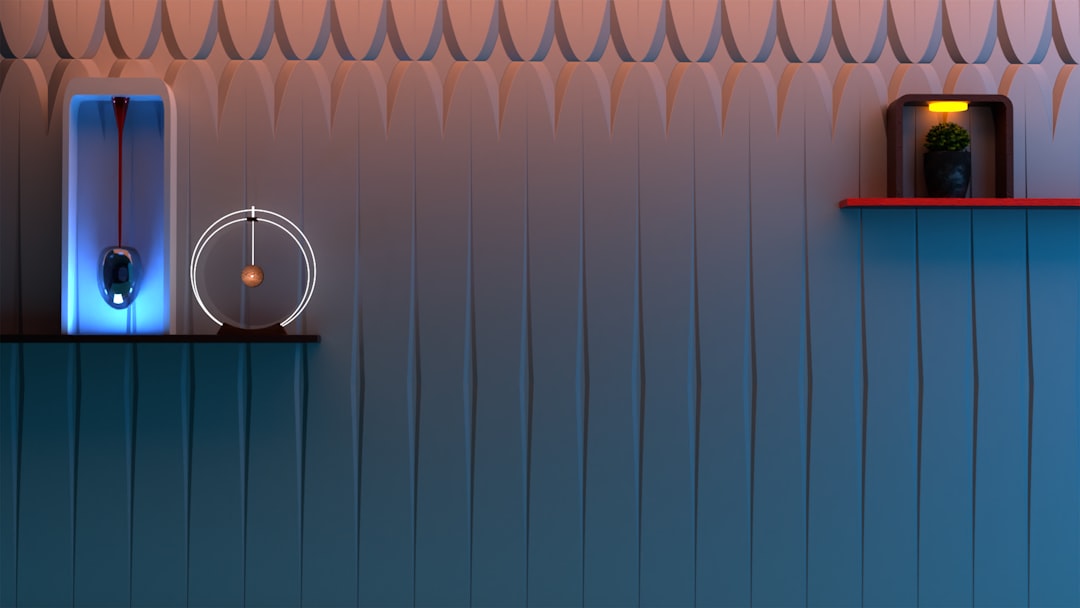
Air purification is particularly notable. Advanced filtration units operate silently and adjust automatically according to indoor air readings. This ensures a consistent supply of clean air, especially important in urban settings. The bedroom becomes a sanctuary engineered for restorative sleep.
Minimalism Driven by Hidden Infrastructure
Interestingly, while technology becomes more advanced, bedroom aesthetics are moving toward simplicity. The visual impact of futuristic design is not defined by flashing screens or metallic surfaces but by spaciousness and calm restraint.
Key visual trends include:
- Flush-mounted outlets and concealed wiring
- Recessed screens that disappear when inactive
- Neutral color schemes with subtle texture contrasts
- Integrated smart glass windows that tint automatically
The guiding philosophy is that the room should feel tranquil, not mechanical. Smart technology is embedded into walls, floors, and furniture frameworks, allowing occupants to experience benefits without constant visual reminders.
This subtle approach enhances longevity. Bedrooms that emphasize timeless materials—such as wood veneers, natural stone, and high-quality textiles—layer technology underneath rather than making it the focal point.
Energy Efficiency and Sustainability
Modern smart bedroom design also reflects growing environmental responsibility. Energy consumption is closely monitored through smart home dashboards, giving occupants detailed insight into usage patterns.
Emerging sustainable integrations include:
- Occupancy sensors that reduce unnecessary lighting
- Smart thermostats that minimize energy waste
- Automated blinds that reduce solar heat gain
- Energy-efficient OLED lighting panels
Materials also matter. Recycled composites, responsibly sourced wood, and low-emission textiles are becoming standard in high-end smart bedrooms. Technology supports sustainability rather than undermining it.
In essence, a futuristic bedroom is not just intelligent—it is resource-conscious.
Immersive Media and Ambient Experience
Entertainment within the bedroom is also evolving. Traditional televisions are being replaced with retractable projection systems, immersive sound arrays, and ambient display walls.
Some advanced setups include:
- Ceiling-integrated projectors that descend on command
- Transparent OLED screens embedded into windows
- Spatial audio systems calibrated to room acoustics
- Programmable digital art displays
Unlike early home theater setups, these installations prioritize subtlety. When not in use, screens retract fully and blend into architectural elements. The bedroom retains its restful character rather than becoming media-centric.
This careful balance reflects a broader shift: technology enhances relaxation instead of overwhelming it.
The Psychology of Control and Customization
At the core of all these trends lies personalization. Modern occupants expect their bedrooms to respond to individual preferences instantly and accurately. From lighting warmth to mattress firmness, customization is central.
Futuristic bedroom design increasingly relies on scenarios—preprogrammed sequences triggered by a single command. For example:
- “Sleep Mode”: Lights dim, temperature lowers, blinds close, white noise activates
- “Morning Rise”: Gradual light brightening, soft audio cues, climate adjustment
- “Relaxation Mode”: Aromatherapy activation, ambient lighting shifts, guided meditation audio
This level of orchestration transforms the bedroom into an experience rather than merely a physical space.
Conclusion: The Intelligent Sanctuary
Futuristic bedroom design trends clearly demonstrate a movement toward integrated intelligence, holistic wellness, and subtle sophistication. Technology is no longer an accessory but a foundational design element. Yet paradoxically, the most advanced bedrooms appear the simplest—free of clutter, quiet in their presence, and deeply calming.
As smart systems continue to improve in predictive accuracy and energy efficiency, bedrooms will evolve into fully responsive sanctuaries tailored to individual lifestyles. Intelligent lighting, AI-driven climate control, multifunctional furniture, biometric integration, and sustainable infrastructure are not passing trends—they represent the framework of next-generation living.
Ultimately, the bedroom of the future is defined not by visible gadgets but by invisible precision: a carefully engineered environment designed to support rest, health, and balance in an increasingly connected world.