

Rich snippets often look like an SEO shortcut because they make search results more visible, more useful, and more clickable. However, the real question is not whether they look better, but whether they directly improve organic rankings. The data shows a more nuanced answer: rich snippets usually improve search performance, but not because they are a confirmed direct ranking factor.
TLDR: Rich snippets do not directly guarantee higher rankings, but they can improve click-through rate, visibility, and qualified traffic. For example, an ecommerce page adding Product schema might keep an average position near 5.2 but see CTR rise from 3.8% to 5.1%, producing hundreds of extra visits from the same rankings. In most cases, structured data helps pages earn enhanced results, while better engagement may support broader SEO performance over time.
What Rich Snippets Actually Are
Rich snippets are enhanced search results that display extra information beyond the standard blue title, URL, and meta description. They may show star ratings, prices, availability, cooking time, FAQs, event dates, product images, or review counts. These enhancements are usually powered by structured data, often using Schema.org vocabulary in JSON-LD format.
Common rich snippet types include:
- Product snippets: price, availability, ratings, and reviews.
- Review snippets: star ratings and review counts.
- Recipe snippets: images, preparation time, calories, and ratings.
- FAQ snippets: expandable questions and answers, where eligible.
- Event snippets: event dates, locations, and ticket information.
- HowTo snippets: step-by-step task information, depending on search eligibility.

Do Rich Snippets Directly Improve Rankings?
Google has repeatedly indicated that structured data itself is not a direct ranking factor. In other words, adding schema markup to a page does not automatically move it from position 8 to position 3. A poorly written, thin, or untrustworthy page will not rank highly simply because it includes structured data.
However, structured data can help search engines better understand a page’s content. This improved understanding can support eligibility for rich results and may help the page appear in more relevant search features. The distinction matters: schema does not directly boost rankings, but it can improve how a result is displayed and discovered.
What the Data Shows
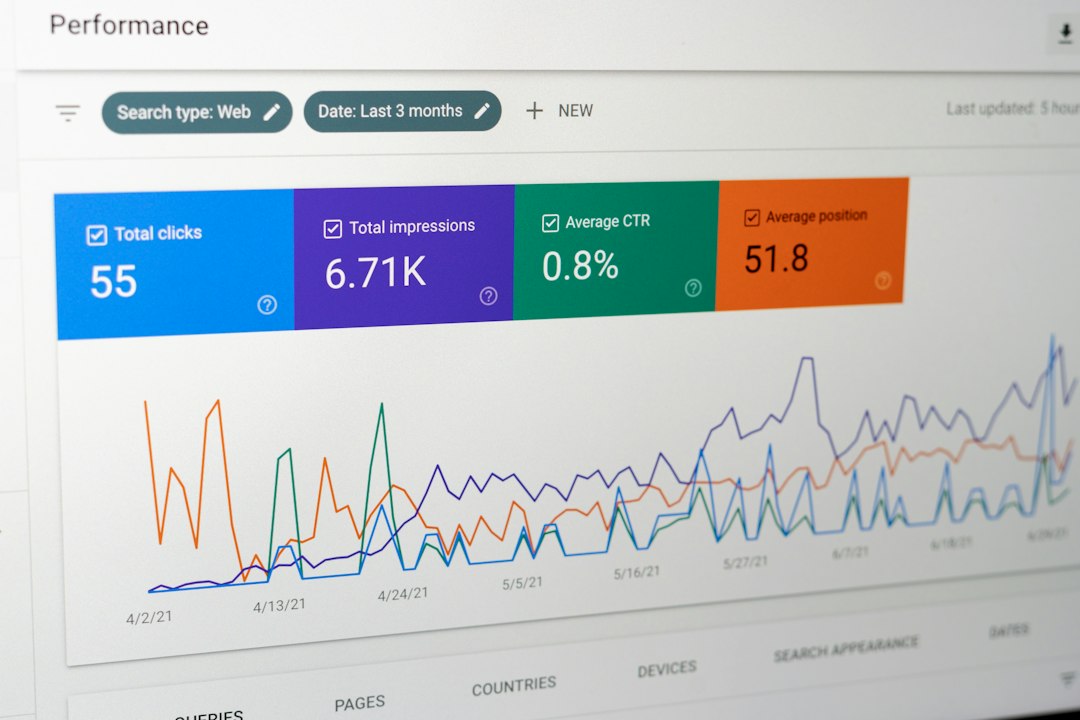
Most data points to one consistent outcome: rich snippets tend to improve click-through rate, even when average ranking position stays the same. Industry studies have often found that enhanced results attract more attention than plain listings because they take up more visual space and provide useful information before the click.
For example, a product result with ratings, price, and availability can appear more trustworthy than a standard listing. If two pages rank next to each other, the one showing a 4.7-star rating and “In stock” label may earn more clicks, even without ranking higher.
A typical analytics scenario might look like this:
- Before structured data: average position 6.4, CTR 2.9%, 18,000 monthly impressions, 522 clicks.
- After rich snippet eligibility: average position 6.2, CTR 4.0%, 18,500 monthly impressions, 740 clicks.
- Result: rankings changed only slightly, but clicks increased by roughly 42%.
This kind of improvement is why rich snippets are valuable. The ranking position may not move much, but the search result becomes more competitive.
Why Rich Snippets Can Improve Organic Performance
Rich snippets improve SEO performance mainly through visibility and user behavior. Search results are crowded, and enhanced listings help a page stand out. When users see ratings, product details, or concise answers, they can make faster decisions.
There are several reasons this matters:
- Higher CTR: More users may click an enhanced result compared with a plain result.
- Better-qualified traffic: Users see key information before clicking, so visits may be more intentional.
- Greater trust: Ratings, reviews, and availability signals can increase confidence.
- More SERP real estate: Expanded results visually occupy more space.
- Improved content clarity: Structured data reinforces the meaning of page elements for search engines.
When Rich Snippets Do Not Help
Rich snippets are not guaranteed. A page can have valid structured data and still not receive an enhanced display in search. Search engines decide when a rich result is useful, appropriate, and compliant with quality guidelines.
They also do not fix deeper SEO problems. If a website has slow pages, weak content, poor internal linking, duplicate pages, or low authority, structured data alone will have limited impact. Rich snippets work best when used alongside strong technical SEO, high-quality content, and a good user experience.
In some cases, rich snippets may even reduce clicks. For example, a very simple FAQ answer shown directly in search might satisfy the user without requiring a visit. This is not always bad if brand visibility is the goal, but it can reduce traffic for informational pages.
Which Rich Snippets Tend to Produce the Best Results?
The highest impact usually appears where searchers benefit from quick comparison. Product, review, recipe, and event snippets often perform well because they help users evaluate options directly in search results.
For ecommerce websites, Product schema can be especially useful. Price, availability, shipping details, and rating information can attract buyers who are closer to making a decision. For publishers, Article schema may help search engines understand headlines, images, authorship, and publication dates, though it does not always create a dramatic visual enhancement.
FAQ schema used to be more widely visible, but search engines have reduced its display in many results. That change shows why rich snippet strategy should not rely on one markup type. Search features evolve, and SEO teams need to track performance continuously.
How to Measure the Impact
The best way to evaluate rich snippets is through data, not assumptions. An SEO team should compare performance before and after implementation while accounting for seasonality, ranking changes, algorithm updates, and content edits.
Useful metrics include:
- CTR in Google Search Console
- Average ranking position
- Impressions and clicks
- Rich result eligibility and errors
- Conversions from organic traffic
- Bounce rate and engagement metrics
A strong test compares similar pages. For example, a retailer might add Product schema to 50 product pages and leave 50 similar pages unchanged for several weeks. If the marked-up group sees a 20% higher CTR while rankings remain stable, the gain is likely linked to enhanced presentation rather than ranking improvement.

Best Practices for Using Structured Data
Rich snippets perform best when the markup accurately reflects visible page content. Search engines may ignore or penalize misleading schema, such as fake reviews, hidden FAQs, or inflated ratings.
Recommended practices include:
- Use JSON-LD, the format generally recommended by Google.
- Mark up only content that appears on the page.
- Follow Google’s rich result guidelines for each schema type.
- Validate markup with rich result testing tools.
- Monitor Search Console for structured data errors.
- Keep product prices, availability, ratings, and dates accurate.
Conclusion
Rich snippets do not directly improve SEO rankings in the traditional sense. The data shows that their main value comes from higher visibility, stronger CTR, and better-qualified traffic. A page may not climb the rankings after structured data is added, but it can still receive significantly more clicks from the same position.
For that reason, rich snippets should be viewed as an SEO performance enhancer rather than a ranking shortcut. When paired with quality content, technical optimization, and strong search intent alignment, they can make organic results more competitive and more profitable.
FAQ
Do rich snippets directly boost Google rankings?
No. Structured data is not a confirmed direct ranking factor. It helps search engines understand content and may make a page eligible for enhanced search results.
Can rich snippets increase organic traffic?
Yes. They can improve click-through rate by making a listing more visible and informative, even if the ranking position does not change.
Are rich snippets guaranteed after adding schema?
No. Search engines decide whether to show rich results based on eligibility, quality, query intent, and search result layout.
Which schema types are most useful?
Product, Review, Recipe, Event, Article, and FAQ schema can be useful, depending on the website and search intent. Ecommerce sites often benefit strongly from Product schema.
How long does it take to see results?
Results may appear within days or weeks after crawling and indexing, but performance should usually be measured over several weeks for more reliable data.