

Business-to-consumer lead generation is the process of attracting individual shoppers, capturing their interest, and encouraging them to take a next step, such as subscribing, requesting a quote, downloading a discount code, or starting a free trial. Unlike B2B lead generation, which often involves long buying committees and complex sales cycles, B2C lead generation usually focuses on speed, relevance, emotion, convenience, and trust. A strong strategy helps brands turn anonymous visitors into identifiable prospects who can be nurtured toward purchase.
TLDR: B2C lead generation works best when brands combine clear offers, targeted channels, and fast follow-up. For example, an online fitness brand might offer a free 7-day meal plan in exchange for an email address, then send personalized product recommendations based on the user’s goal. If 10,000 visitors land on the page and 8% subscribe, the business gains 800 leads that can be nurtured through email, SMS, and retargeting ads. The most effective programs track cost per lead, conversion rate, and customer lifetime value together.
What Makes B2C Lead Generation Different?
B2C lead generation is highly influenced by consumer behavior. People often make decisions based on personal needs, urgency, lifestyle preferences, reviews, price, and convenience. A successful campaign must therefore reduce friction and make the next action feel valuable.
In many cases, the lead is captured before the consumer is ready to buy. A beauty brand may collect emails through a skin-care quiz, a travel company may offer fare alerts, and a retailer may promote a first-order discount. The goal is not only to collect contact details, but also to collect intent signals that help the brand understand what the person wants.
Core B2C Lead Generation Strategies
1. Create a compelling lead magnet
A lead magnet gives consumers a reason to share their information. It should be relevant, simple, and immediately useful. Common B2C lead magnets include:
- Discount codes for first-time buyers
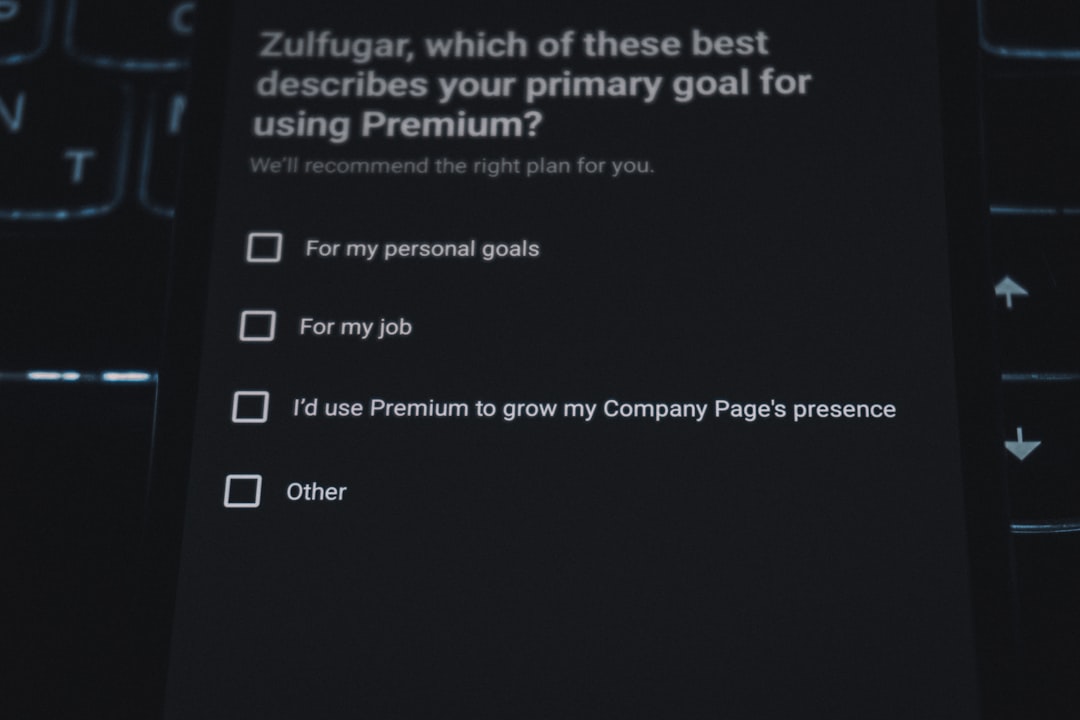
- Quizzes that provide personalized recommendations
- Free samples or trial products
- Exclusive content, such as guides, recipes, checklists, or tutorials
- Giveaways and contests with clear participation rules
- Loyalty program enrollment with points or early access
A strong offer should match the brand’s product and audience. For example, a pet food company may generate better leads with a “Find the right food for your dog” quiz than with a generic newsletter signup.
2. Optimize landing pages
Landing pages should communicate value within seconds. A high-performing page usually includes a clear headline, concise copy, trust signals, strong visuals, a simple form, and one primary call to action. Asking for too much information too early can reduce completion rates. For many B2C campaigns, an email address or phone number is enough at the first step.
Mobile optimization is essential. Many consumer leads come from social media, search, and messaging apps, so pages must load quickly and display properly on small screens. A slow page can waste paid traffic and lower conversion rates.
3. Use personalization
Personalization improves relevance. Brands can segment leads by behavior, location, purchase intent, product interest, or quiz responses. A fashion retailer, for instance, may send different follow-up messages to shoppers interested in workwear, activewear, or formal outfits.
Personalization should be useful rather than intrusive. Consumers are more likely to respond when recommendations feel helpful and timely, not overly aggressive.
Top Channels for B2C Lead Generation
Search engine marketing
Search captures high-intent consumers who are actively looking for solutions. Paid search ads can promote offers, product categories, or local services. Organic search can also generate leads through educational articles, buying guides, comparison pages, and optimized local listings.
Social media advertising
Platforms such as Instagram, TikTok, Facebook, Pinterest, and Snapchat are powerful for audience discovery. Social ads work especially well when they use strong visuals, short videos, influencer-style content, and clear incentives. Built-in lead forms can reduce friction by allowing users to submit details without leaving the platform.
Email marketing
Email remains one of the most valuable B2C nurturing channels. After a lead subscribes, the brand can send welcome messages, product education, recommendations, promotions, abandoned cart reminders, and loyalty updates. The first few emails are especially important because they set expectations and build trust.
SMS and messaging apps
SMS can produce strong engagement because messages are immediate and easy to read. However, it should be used carefully and only with proper consent. Short, timely messages about flash sales, appointment reminders, back-in-stock alerts, and order updates can be effective.
Referral programs
Consumers often trust recommendations from friends and family more than ads. Referral campaigns encourage existing customers to introduce new leads by offering rewards, discounts, credits, or exclusive benefits. The best programs are easy to share and easy to understand.
Influencer and creator partnerships
Creators can generate awareness and leads by demonstrating products in an authentic way. Instead of focusing only on follower count, brands should consider audience fit, engagement quality, content style, and trackable conversion paths, such as unique codes or dedicated landing pages.
Best Practices for Higher-Quality Leads
Align the offer with purchase intent. A broad giveaway may attract many contacts, but not all of them will become buyers. A product-related quiz, consultation, sample, or guide often produces more qualified leads than a generic prize.
Make forms simple. Every additional form field can reduce completion rates. Brands should ask only for information that will be used. More details can be collected later through preferences, behavior, surveys, or account creation.
Use clear consent language. Consumers should know what they are signing up for. Transparent consent supports compliance and improves trust. This is particularly important for SMS, email, and remarketing audiences.
Follow up quickly. Timing matters in B2C. If a person downloads a coupon or completes a quiz, the brand should respond immediately with the promised value. Delayed follow-up can reduce momentum and increase the chance that the consumer buys elsewhere.
Test regularly. Brands should test headlines, calls to action, lead magnets, form length, page layouts, ad creative, audience segments, and follow-up sequences. Small improvements in conversion rate can significantly increase lead volume without raising ad spend.
Measure the full funnel. A low cost per lead is not always the best outcome. The brand should also track lead-to-purchase rate, average order value, repeat purchase rate, and customer lifetime value. A channel that brings fewer but higher-value leads may outperform a channel that brings cheap but inactive contacts.

Common Metrics to Track
- Conversion rate: The percentage of visitors who become leads.
- Cost per lead: The amount spent to acquire one lead.
- Lead-to-customer rate: The percentage of leads who make a purchase.
- Customer acquisition cost: The total cost required to acquire a paying customer.
- Customer lifetime value: The estimated revenue a customer generates over time.
- Engagement rate: Opens, clicks, replies, redemptions, or other meaningful actions.
Conclusion
B2C lead generation is most effective when it combines attractive offers, seamless experiences, trusted channels, and data-driven follow-up. The strongest brands do not simply collect contacts; they build useful relationships with consumers by understanding their needs and responding with relevant messages. When campaigns are measured beyond the initial signup, companies can identify which leads are truly valuable and invest in the channels that drive sustainable growth.
FAQ
What is B2C lead generation?
B2C lead generation is the process of attracting individual consumers and collecting their contact information or interest signals so they can be nurtured toward a purchase.
Which channel is best for B2C lead generation?
There is no single best channel for every business. Social media, search, email, SMS, referrals, and influencer campaigns can all work well depending on the audience, product, budget, and buying journey.
What is a good B2C lead magnet?
A good lead magnet offers immediate value and connects closely to the product. Examples include discount codes, quizzes, free samples, buying guides, trial offers, and loyalty rewards.
How can a brand improve lead quality?
A brand can improve lead quality by targeting the right audience, using product-relevant offers, asking meaningful questions, segmenting leads, and measuring purchase behavior rather than only signup volume.
How often should B2C leads be contacted?
Leads should be contacted soon after signup and then at a frequency that matches their expectations and engagement. Over-messaging can cause unsubscribes, while slow follow-up can reduce conversion opportunities.