
The smartest Fakespot alternative is usually a mix of tools, not a single magic button. Fake reviews are now common enough that the FTC finalized a rule against fake reviews and fake social signals in 2024 [source: FTC]. That says a lot. Shoppers need quick ways to spot weird ratings, copied praise, review bombing, and products that look “viral” for all the wrong reasons.
TLDR: Use ReviewMeta for Amazon review cleanup, TheReviewIndex for feature summaries, Trustpilot for store reputation, ScamAdviser for risky sites, and Keepa for price and rating timing. For example, if a $39 gadget has 4,800 ratings but Keepa shows the price jumped 42% right after a review spike, slow down. If ReviewMeta removes 35% of reviews from its adjusted score, that product needs a second look. No tool is perfect, but using two or three together can save you from a bad cart.

Why use Fakespot alternatives?
Fakespot is useful, but it is not the only option. Some shoppers want a second opinion. Others want tools that work better for stores, price history, or review text. Honestly, it feels like too many review checkers promise certainty when all they really offer is a warning signal. Still, warning signals help.
Here are five strong alternatives worth trying before you buy.
1. ReviewMeta
Best for: Amazon shoppers who want a cleaned-up rating.
ReviewMeta analyzes Amazon reviews and strips out reviews it sees as less reliable. It then gives an adjusted rating. That is often more useful than the headline star score.
- What it checks: review timing, reviewer history, phrase repetition, deleted reviews, and odd rating patterns.
- Why it helps: a product rated 4.7 stars may drop to 4.1 after ReviewMeta filters reviews.
- Annoyance: it is mostly Amazon focused, so it will not help much on smaller retail sites.
Use it when a product has thousands of glowing reviews, but the photos look too polished or the wording feels oddly similar.
2. TheReviewIndex
Best for: understanding what buyers actually liked and hated.
TheReviewIndex is useful because it groups review comments by topic. Instead of reading 200 reviews about headphones, you can see scores for battery life, sound, comfort, and build quality.
The catch is that it can feel slower than simply scanning Amazon, but the tradeoff is better context. A product might have 4.5 stars overall while buyers keep saying the charging port fails after three months. That matters more than a shiny average.
- Best use: electronics, appliances, beauty tools, and accessories.
- Watch for: categories with thin review data.
- Pro tip: compare the positive topics with the one-star complaints.
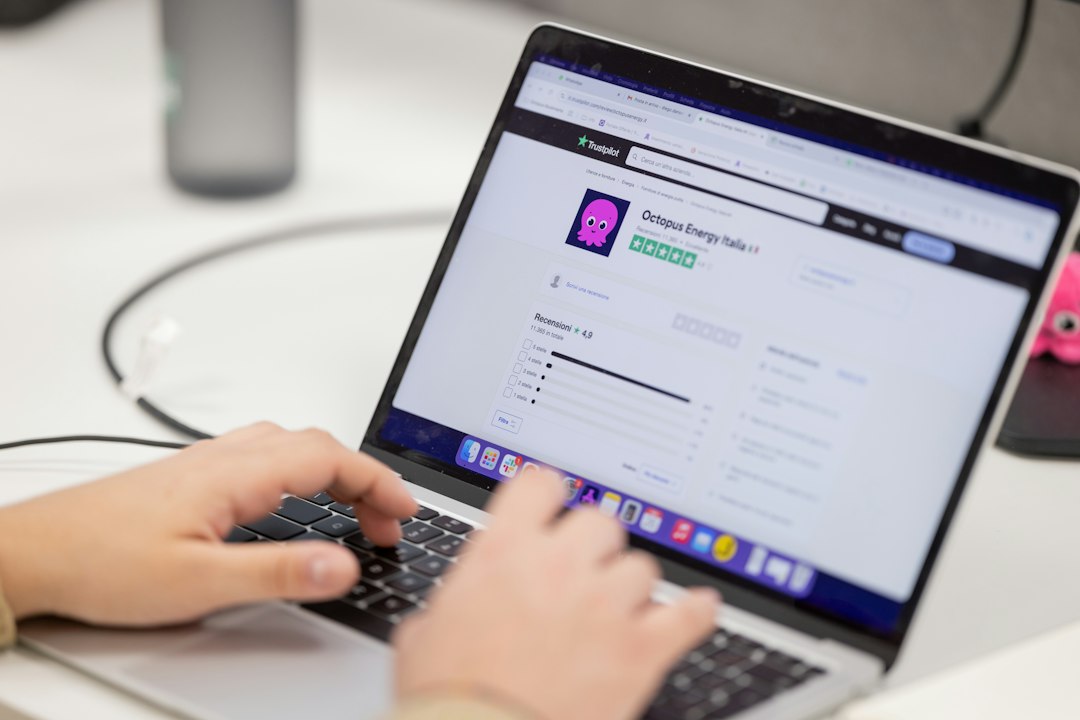
3. Trustpilot
Best for: checking the seller, not just the product.
A great product page means little if the store ships late, ignores refunds, or sends different items. Trustpilot helps you judge the business behind the listing. It is especially handy for unknown stores popping up in ads.
Look at the spread of reviews. A store with 82% five-star reviews and 15% one-star reviews may be polarizing. Read the bad reviews first. If people mention the same issue again and again, believe the pattern.
- Green flag: recent replies from the company that address specific complaints.
- Red flag: many vague five-star reviews posted within a few days.
- Extra check: search the store name plus “refund” or “complaint.”
4. ScamAdviser
Best for: spotting risky websites before entering card details.
ScamAdviser checks signals such as domain age, site popularity, technical setup, and reported issues. It is not a review analyzer in the classic sense. It is more like a safety check for the store itself.
This is useful when a site has deep discounts that feel too good. A $180 pair of shoes selling for $31 should make you pause. If ScamAdviser shows a low trust score, a hidden owner, and a domain created last month, close the tab.
Expect to waste time on some false alarms. New but real shops can look suspicious. Still, that extra minute beats chasing a refund for six weeks.
5. Keepa
Best for: matching review spikes with price changes on Amazon.
Keepa is known for price tracking, but it also helps with review judgment. Check the timeline. Did the product gain hundreds of ratings right after a big discount? Did the price rise after the rating count grew? That pattern is not automatic proof of fake reviews, but it is worth questioning.
- Use it for: electronics, household items, toys, and seasonal products.
- Good sign: steady reviews over months, with normal price movement.
- Bad sign: sudden review bursts tied to sharp discounts or relaunches.

How to make better shopping decisions
Do not trust one score. Combine signals. Start with ReviewMeta or TheReviewIndex for product quality. Then check Trustpilot or ScamAdviser for the seller. Use Keepa when timing and price feel strange.
A simple rule works well: if two tools raise concerns, do not buy right away. Read the newest one-star reviews. Check product photos from real buyers. Search the product name outside the store. The goal is not paranoia. It is a cleaner, calmer way to shop without getting fooled by a wall of stars.