

As organizations deploy increasingly powerful artificial intelligence systems, the risks associated with their misuse, manipulation, and unexpected behavior continue to grow. From prompt injection and data leakage to autonomous decision errors and hallucinated outputs, modern AI systems present complex and evolving attack surfaces. AI safety red teaming tools have emerged as critical safeguards, helping organizations proactively identify vulnerabilities before adversaries exploit them.
TLDR: AI safety red teaming tools systematically test AI models for weaknesses such as prompt injection, bias, data leakage, and unsafe content generation. These tools simulate adversarial attacks, automate stress testing, and provide structured vulnerability reports. The four leading tools discussed here—Microsoft Counterfit, Lakera Red, Robust Intelligence AI Firewall, and Protect AI’s Guardian—offer different approaches to identifying AI risks. Selecting the right tool depends on your deployment environment, regulatory requirements, and AI system architecture.
Red teaming is not new. In cybersecurity, it has long involved simulating attacks against systems to uncover exploitable weaknesses. In the AI context, however, red teaming requires specialized methods tailored to large language models (LLMs), computer vision systems, and generative AI applications. The following four tools represent some of the most serious and technically rigorous solutions currently available for identifying AI weaknesses.
1. Microsoft Counterfit
Best suited for: Security-focused teams testing adversarial robustness in machine learning models.
Microsoft’s Counterfit is an open-source command-line tool designed for AI security testing. Developed by Microsoft’s AI Red Team, Counterfit enables security professionals to simulate adversarial attacks across machine learning systems using standardized testing techniques.
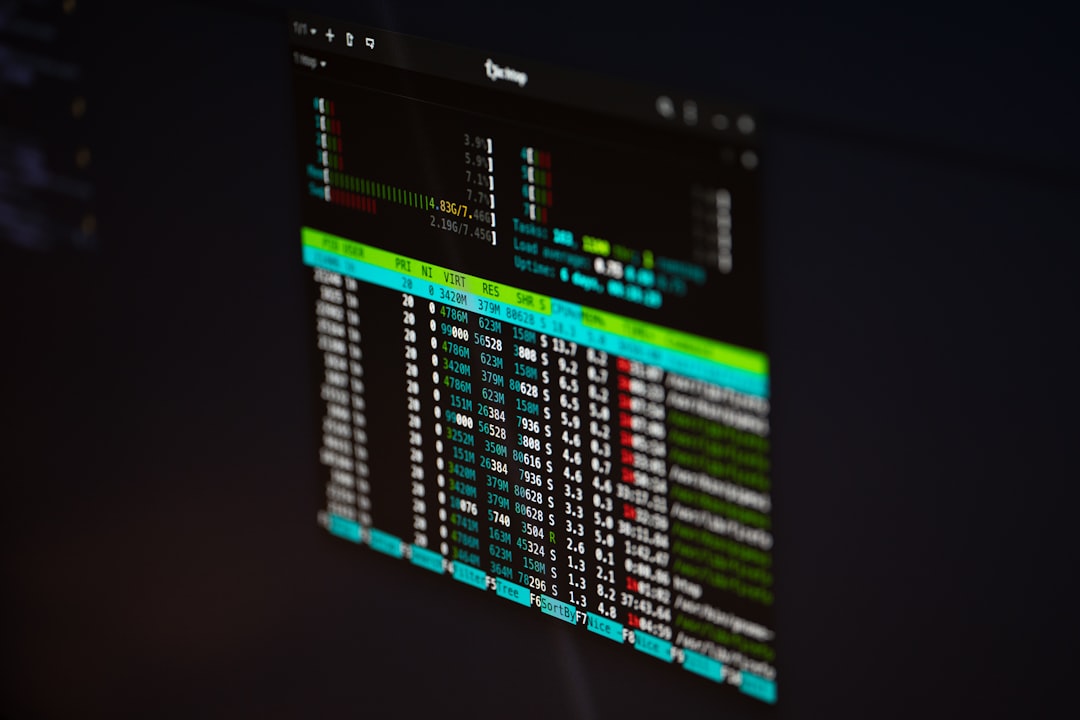
Unlike many tools that focus solely on prompt injection for large language models, Counterfit supports a broader range of model types, including classification and regression models. It connects to target AI systems through APIs and performs systematic adversarial testing using well-established attack methods such as:
- Model evasion attacks
- Adversarial sample generation
- Black-box probing
- Confidence score manipulation
One of its strengths lies in its flexibility. It does not require direct access to model internals, making it particularly useful for organizations working with third-party AI services. Counterfit also integrates with popular ML frameworks and can be embedded into CI/CD pipelines, enabling continuous AI robustness testing rather than one-time audits.
Key Advantages:
- Open-source and transparent methodology
- Extensive attack library
- Supports automation in DevSecOps workflows
- Community-driven improvements
Limitations:
- Requires technical expertise to configure effectively
- Less tailored to LLM-specific prompt injection scenarios compared to newer platforms
For technical teams prioritizing depth and transparency, Counterfit offers a rigorous starting point for AI adversarial testing.
2. Lakera Red
Best suited for: Enterprises deploying LLM-powered applications that require stress testing for prompt injection and misuse.
Lakera Red is a purpose-built platform designed specifically to stress test generative AI systems. As organizations rapidly deploy chatbots, copilots, and autonomous agents, the risk of prompt injection attacks and jailbreak techniques has significantly increased. Lakera Red directly addresses this emerging threat landscape.
Lakera Red automates adversarial attempts against large language models by generating attack variations designed to bypass safeguards. It evaluates whether systems leak sensitive information, ignore instruction hierarchies, or produce policy-violating outputs.
Core capabilities include:
- Automated prompt injection testing
- Policy compliance evaluation
- Jailbreak detection
- Structured vulnerability scoring
One distinguishing feature is its emphasis on real-world exploitation scenarios. Rather than relying solely on theoretical test cases, Lakera Red simulates attacks resembling those used by malicious actors in production environments.
For compliance-driven industries—such as finance, healthcare, and government—the detailed reporting and reproducibility of tests offer practical governance support.
Key Advantages:
- Specifically tailored to generative AI security risks
- Continuous attack database updates
- Enterprise-ready dashboards and reporting
- Focus on operational deployment risks
Limitations:
- Primarily focused on LLMs rather than cross-modal models
- Commercial licensing required
For organizations concerned with AI policy circumvention and jailbreak attacks, Lakera Red provides a focused and practical defensive approach.
3. Robust Intelligence AI Firewall
Best suited for: Enterprises managing high-risk AI deployments in regulated industries.
Robust Intelligence offers an AI Firewall platform that operates as a runtime protection and validation layer for AI systems. Rather than focusing solely on simulated red team exercises, it combines pre-deployment testing with real-time production monitoring.
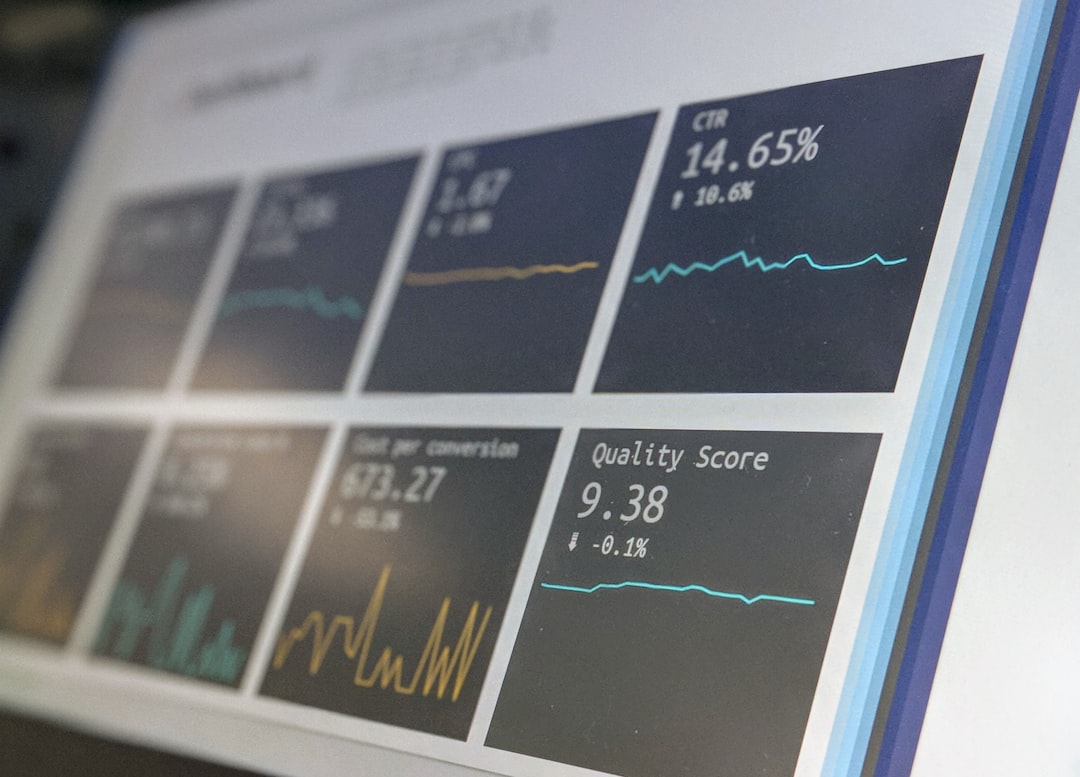
The AI Firewall evaluates models against structured test cases before deployment, identifying potential weaknesses in areas such as:
- Data poisoning vulnerabilities
- Drift detection and model degradation
- Bias and fairness auditing
- Adversarial prompt manipulation
Once deployed, the platform continues monitoring inputs and outputs, blocking harmful interactions in real time. This dual-layer approach provides both proactive red teaming and reactive protection.
Robust Intelligence is particularly valuable for organizations facing regulatory scrutiny. Its documentation framework aligns with emerging AI governance standards, helping companies demonstrate due diligence.
Key Advantages:
- Combines red teaming with runtime enforcement
- Strong compliance and governance tooling
- Enterprise integration with existing infrastructure
- Suitable for high-stakes industries
Limitations:
- Enterprise pricing model
- Integration complexity for smaller teams
If your AI systems directly impact financial decisions, healthcare diagnoses, or public safety, continuous AI firewall protection significantly reduces long-term risk.
4. Protect AI’s Guardian
Best suited for: Securing the AI supply chain and machine learning development lifecycle.
Protect AI Guardian addresses a critical but sometimes overlooked dimension of AI security: the ML supply chain. As organizations integrate open-source models, third-party datasets, and pre-trained components, the attack surface expands dramatically.
Guardian focuses on identifying vulnerabilities before models reach production. Its security analysis spans:
- Model artifact scanning
- Dependency vulnerability detection
- Supply chain integrity validation
- Secrets exposure discovery
Rather than concentrating exclusively on prompt-level manipulation, Guardian highlights systemic weaknesses within model packaging, storage, and distribution workflows. This approach aligns closely with software supply chain security best practices now common in DevSecOps.
Given the rise of malicious model repositories and tampered checkpoints, supply chain awareness has become an essential element of AI red teaming.
Key Advantages:
- Focus on ML supply chain security
- Early-stage risk detection
- DevOps-friendly integrations
- Suitable for large AI development pipelines
Limitations:
- Does not replace runtime adversarial testing tools
- More infrastructure-focused than prompt-focused
Guardian is particularly effective for organizations training or distributing models at scale.
Comparison Chart: AI Red Teaming Tools
| Tool | Primary Focus | Deployment Stage | Best For | Commercial or Open Source |
|---|---|---|---|---|
| Microsoft Counterfit | Adversarial ML attacks | Pre-deployment & testing | Security engineering teams | Open Source |
| Lakera Red | LLM prompt injection & jailbreak testing | Pre-deployment & staging | Generative AI applications | Commercial |
| Robust Intelligence AI Firewall | Validation + runtime protection | Pre & post deployment | Regulated enterprises | Commercial |
| Protect AI Guardian | ML supply chain security | Development lifecycle | Model development teams | Commercial |
How to Choose the Right AI Red Teaming Tool
Selecting the appropriate solution depends on three fundamental considerations:
- Model Type: Are you deploying LLMs, classical ML classifiers, or multimodal systems?
- Risk Exposure: Is the AI system customer-facing or part of critical decision infrastructure?
- Regulatory Pressure: Are you required to maintain auditable evidence of risk mitigation efforts?
Many organizations benefit from combining tools. For example, a development team might use Protect AI Guardian for supply chain scrutiny, Counterfit for adversarial testing, and an AI firewall solution for runtime monitoring.
Why AI Red Teaming Is Now Essential
AI systems are no longer isolated research artifacts. They are embedded into customer service systems, financial trading platforms, healthcare diagnostics, and national infrastructure. This shift has elevated AI security from a technical curiosity to an operational necessity.
Failure to red team AI systems can result in:
- Data exposure incidents
- Unauthorized system control via prompt injection
- Biased or unlawful decision outcomes
- Regulatory penalties
- Reputational damage
Responsible AI governance requires more than static evaluation. It demands systematic adversarial stress testing that evolves alongside threat actors.
Conclusion
The era of deploying AI without structured security testing is over. As models become more capable, attackers become more creative. AI red teaming tools such as Microsoft Counterfit, Lakera Red, Robust Intelligence AI Firewall, and Protect AI Guardian provide organizations with practical mechanisms to uncover systematic weaknesses before they are exploited.
No single solution solves every risk dimension. However, implementing a disciplined, multi-layered red teaming strategy significantly reduces exposure and demonstrates organizational commitment to responsible AI deployment.
In an environment defined by rapid innovation and accelerating threat evolution, proactive AI vulnerability testing is not optional—it is foundational.