
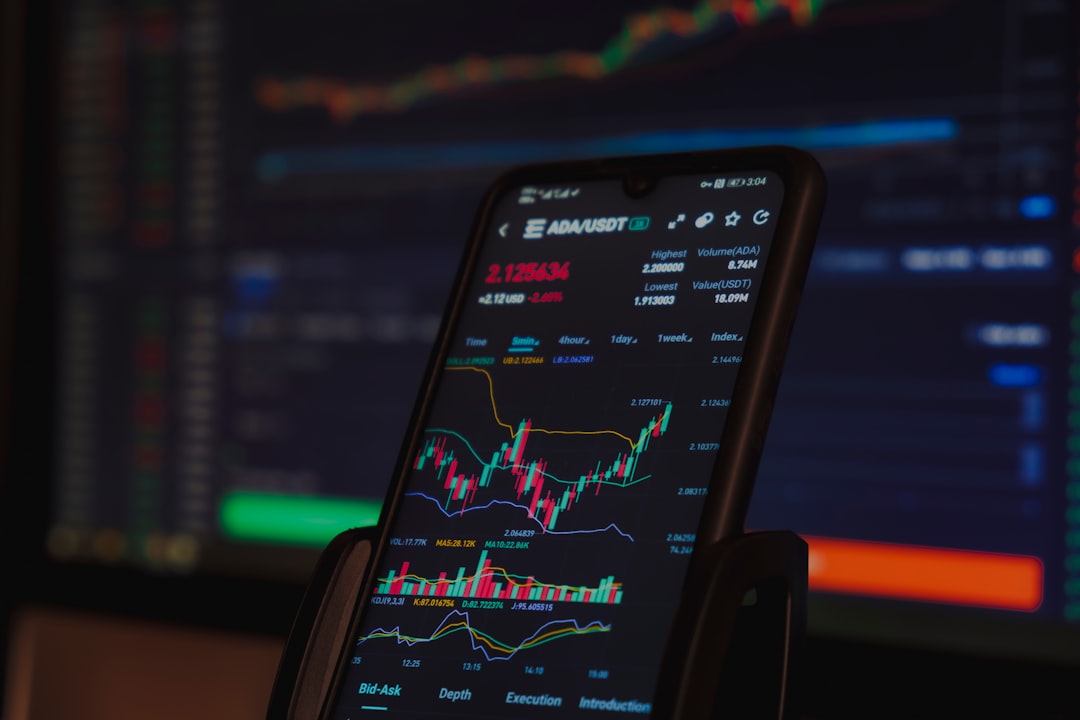
Robinhood has become one of the most recognizable names in retail investing, promising commission-free trades, sleek mobile design, and easy access to financial markets. For many newcomers, it represents a gateway into stocks, options, and even cryptocurrency. Yet despite its popularity, a significant number of investors remain cautious—or avoid the platform entirely. Their hesitation is not always about the brand’s popularity, but about deeper concerns surrounding risk, reliability, transparency, and long-term investing strategy.
TLDR: While Robinhood offers commission-free trading and a user-friendly interface, some investors avoid it due to concerns about outages, order execution quality, regulatory scrutiny, and gamified design features. Critics argue that its business model may create conflicts of interest and encourage risky behavior. For serious or long-term investors, these risks may outweigh the convenience and zero-commission appeal.
To understand why some investors stay away, it’s important to explore both the visible and behind-the-scenes factors shaping their decisions.
The “Free” Trading Model: Is It Really Free?
At its core, Robinhood’s appeal lies in its commission-free trading. Traditional brokerages once charged fees for each trade, creating friction for small investors. Robinhood changed expectations by removing these upfront charges.
However, some investors worry about how the company makes money. One of Robinhood’s primary revenue streams is payment for order flow (PFOF). This practice involves routing customer trades to market makers who pay the brokerage for the opportunity to execute those trades.
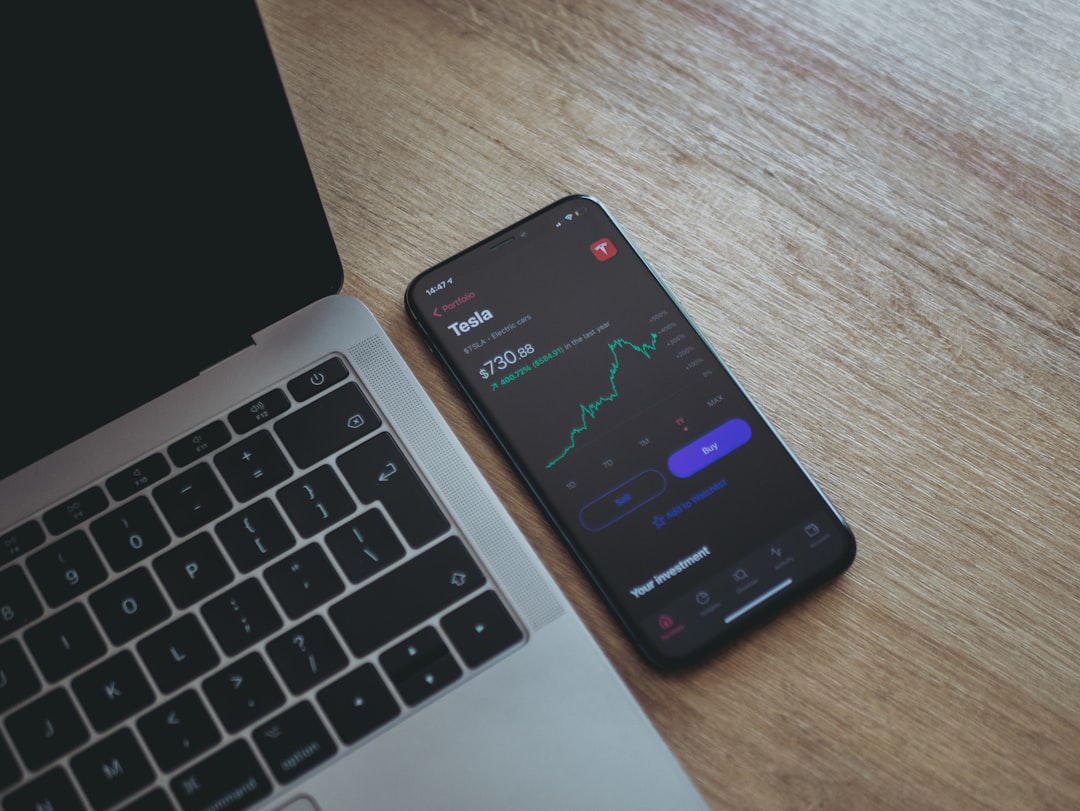
Critics argue that this structure may create a potential conflict of interest. Instead of focusing solely on getting customers the best execution price, the broker may consider which market maker provides the most favorable payment arrangement. While the practice is legal and widely used across the industry, the perception alone is enough to deter investors who prioritize transparency and execution precision.
Some of the main concerns include:
- Execution quality: Are trades being filled at the most competitive prices available?
- Incentive alignment: Does the broker benefit more from higher trading volume than customer outcomes?
- Limited transparency: Retail investors may not fully understand how their trades are routed.
For frequent traders, even small differences in price execution can add up over time.
Platform Outages and Reliability Issues
Another major concern stems from past technical outages. During periods of extreme market volatility, Robinhood has experienced system interruptions that prevented users from trading.
For long-term investors who buy and hold, brief outages may be inconvenient but not catastrophic. For active traders, however, being locked out during significant price swings can result in substantial losses. Some investors view reliability as non-negotiable, especially during turbulent market conditions.
Outages have raised concerns such as:
- Inability to close positions during sharp market drops
- Missed opportunities during rapid rallies
- Question marks about infrastructure robustness under heavy load
While many online brokers occasionally experience technical issues, Robinhood’s high-profile outages during major market events left a lasting impression on cautious investors.
The Gamification Debate
Robinhood’s user interface is intentionally simple and engaging. Confetti animations, push notifications, and an app-like experience were designed to make investing feel approachable. But not everyone views this as positive.

Some critics argue that the platform’s design may encourage impulsive behavior. By making trading feel frictionless and game-like, the app could lower psychological barriers to risky decisions, especially in volatile areas such as options trading or cryptocurrency.
Concerns frequently mentioned include:
- Increased speculative behavior among inexperienced users
- Overtrading driven by notifications and easy order placement
- Limited educational depth compared to full-service brokerages
Long-term investors often prefer platforms that emphasize research tools, portfolio analysis, and retirement planning features over rapid trade execution and flashy activity indicators.
Regulatory Scrutiny and Public Controversy
Robinhood has faced regulatory fines and investigations over the years. Issues have ranged from order execution transparency to options approval practices and platform communication failures.
Although regulatory actions are not uncommon in financial services, repeated headlines can erode trust. Investors who prioritize stability and institutional reputation may feel more comfortable using brokerages with decades-long track records and fewer controversies.
Trust plays a major role in financial decision-making. When investors deposit large sums of money, they want confidence in:
- The platform’s compliance culture
- Risk management processes
- Clear and accurate disclosures
Even if operational standards improve, rebuilding trust can take time.
Options and Margin Trading Risks
Robinhood made options trading dramatically more accessible to retail investors. While increased access can democratize finance, it also introduces risk. Options and margin trading carry higher complexity and potentially unlimited losses.
Some critics argue that simplifying access to advanced financial instruments may expose less-experienced traders to strategies they do not fully understand. Though Robinhood has implemented stricter approval processes over time, skeptics remain cautious.
Investors who avoid Robinhood sometimes cite:
- The ease of activating options trading
- The potential for inexperienced users to take leveraged positions
- The psychological impact of quick gains and losses
More traditional brokerages often require additional documentation, assessments, or minimum balances before granting access to higher-risk products, which some see as a protective safeguard.
Limited Customer Support Perception
Customer support is another factor influencing investor decisions. In its early years, Robinhood was criticized for lacking accessible phone support, relying heavily on in-app messaging or email responses.
While support systems have improved, the perception lingers among some investors that service may not match that of established brokerages. When dealing with financial accounts, quick access to human assistance can be essential—particularly during time-sensitive market events.
Investors often compare platforms based on:
- Availability of live phone support
- Speed of issue resolution
- Depth of financial guidance offered
Those managing large portfolios or retirement accounts may prioritize comprehensive support capabilities.
Market Behavior and Liquidity Concerns
During certain high-profile market events, trading restrictions temporarily limited buying in specific securities. These events sparked widespread debate about liquidity management and clearinghouse requirements.
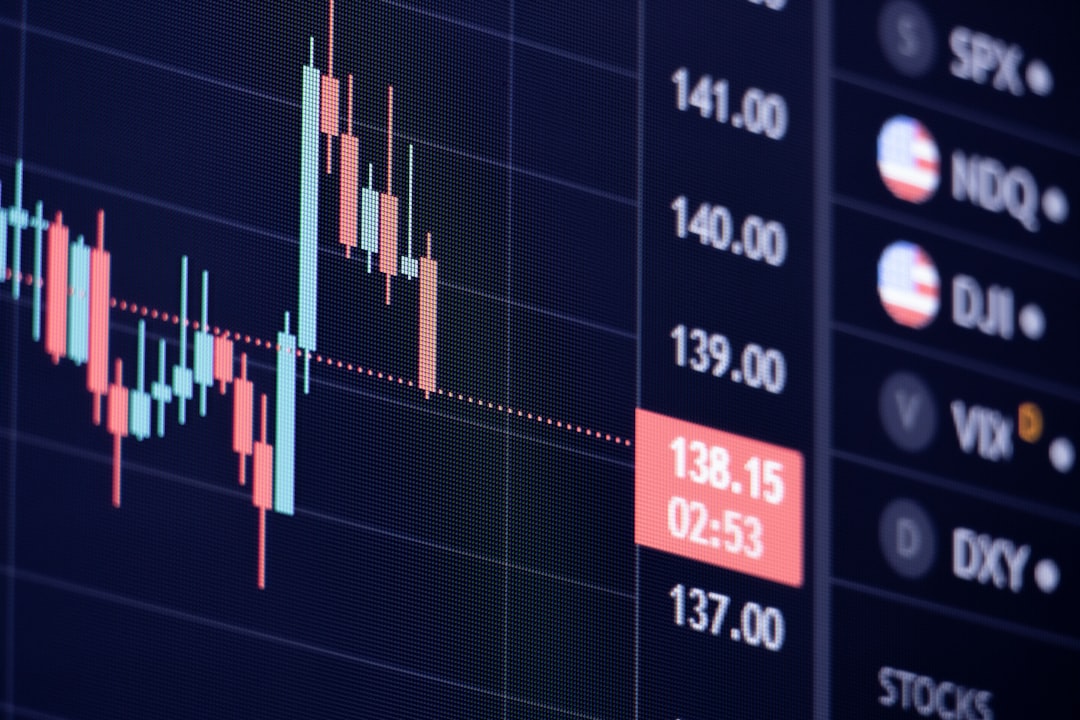
Some investors interpreted these restrictions as evidence of structural vulnerability. Although brokerages must comply with clearinghouse deposit requirements, the optics of limiting trades damaged confidence for some users.
For critics, the key takeaway was that:
- Brokerages must maintain sufficient capital buffers
- Rapid growth can stress operational systems
- Retail traders may face unexpected limitations during extreme volatility
Investors who seek uninterrupted market access may factor this history into their platform choice.
Long-Term Investing Versus Short-Term Trading Culture
Another reason some investors avoid Robinhood is philosophical rather than operational. The platform’s brand identity has been closely tied to active trading, meme stocks, and viral market trends.
In contrast, long-term investors often focus on:
- Diversified portfolios
- Low-cost index funds
- Tax-efficient retirement strategies
- Fundamental analysis and wealth preservation
While Robinhood does offer long-term investment options, its cultural association with rapid trading may make more conservative investors feel it is not aligned with their disciplined approach.
Perception of Experience and Institutional Strength
Established brokerages often have decades of operational history, extensive research departments, and broad product offerings including bonds, mutual funds, advisory services, and retirement accounts.
Some investors simply prefer firms that have navigated multiple market cycles. Experience during downturns—such as the financial crisis or prolonged bear markets—can inspire confidence that a broker has tested systems and refined risk protocols.
Robinhood, by comparison, represents a newer generation of financial technology companies. While innovation drives growth, some investors equate longevity with security.
Balancing Innovation with Risk Awareness
It’s important to note that avoiding Robinhood does not necessarily mean the platform is unsafe or unsuitable. Millions of users successfully invest through it every day. Regulatory bodies oversee brokerage operations, and customer assets are typically protected through industry insurance mechanisms within certain limits.
However, investing is as much about personal comfort as it is about potential returns. Risk tolerance varies. Some investors prioritize cutting-edge mobile access and low entry barriers. Others value institutional depth, detailed analytics, and decades-long reputations.
Ultimately, the decision to avoid—or embrace—Robinhood depends on an investor’s goals, strategy, and trust preferences.
Conclusion
Robinhood revolutionized trading by lowering costs and simplifying access, but innovation often brings scrutiny. Concerns about payment for order flow, platform reliability, gamification, regulatory history, and risk exposure have led some investors to look elsewhere. For cautious or long-term investors, perceived risks may outweigh the benefits of commission-free convenience.
Choosing a brokerage is not merely about fees—it’s about confidence, alignment with strategy, and comfort under pressure. Whether Robinhood fits that profile depends entirely on the individual investor’s priorities. In the world of finance, even subtle differences in trust and structure can influence where—and how—people choose to grow their wealth.