

Tech mistakes cost businesses trillions every year. Just software errors and poor quality cost an average of $2.41 trillion. And if systems shut down, the cost can be as high as $200 million, $49 million of that coming from lost revenue.
Human error is even worse. An IBM report stated that bad data, often due to human error, costs an average of $3.1 trillion per year. Need we say more? Precision matters, and errors are costly. Read on to find out more.
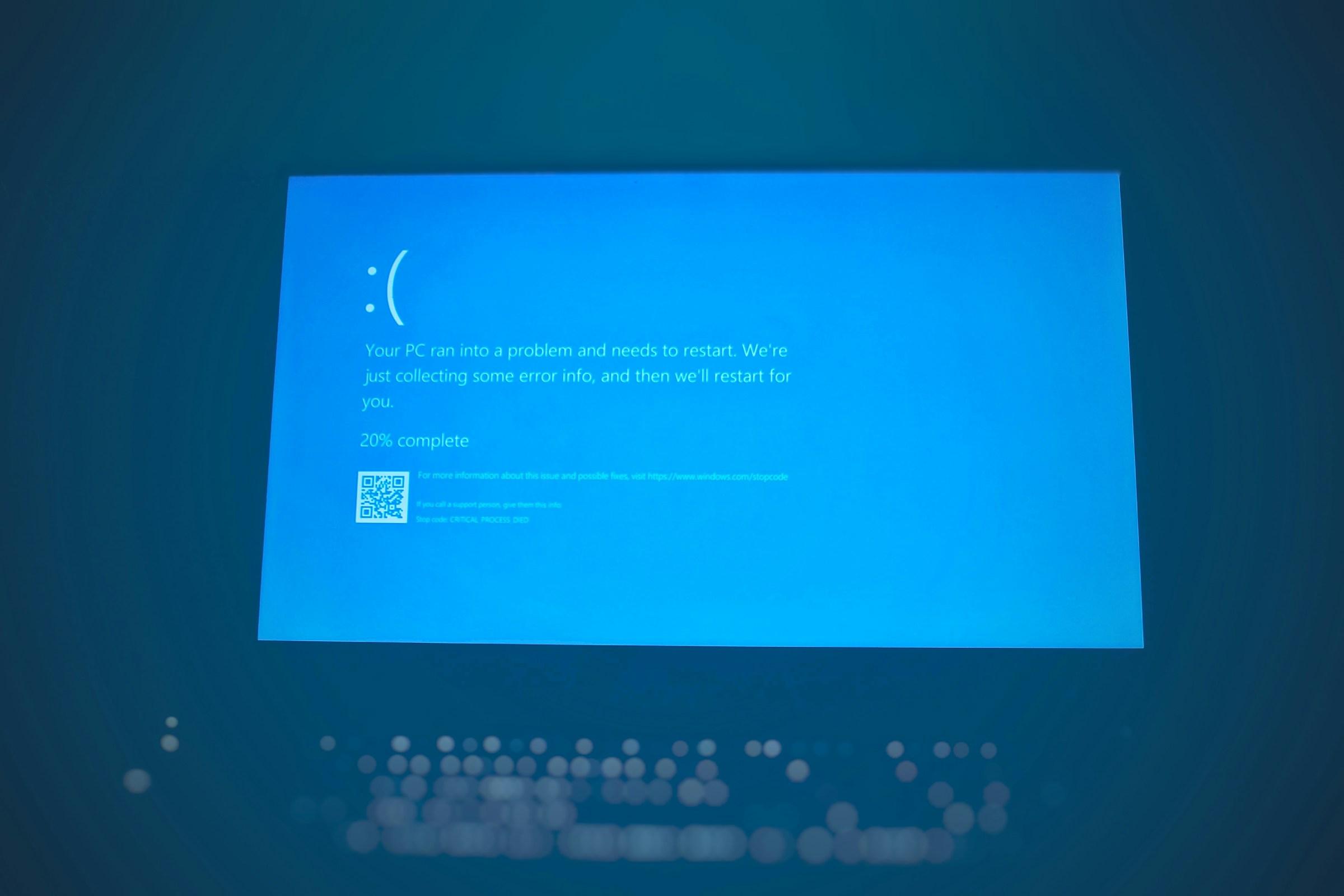
Tech Is So Expensive
The numbers show why details matter.
We’d say all businesses rely on technology, and there are so many ways technology can fail, from human error to computer error. The two are often interlinked. Data breaches are the perfect example. Weak coding leads to system errors and openings. IBM’s latest findings put the U.S. average at around $10.22 million per breach: record high numbers.
Downtime is just as bad. Independent surveys now place unplanned outage costs well above what SMEs can afford. Mid- to large-sized enterprises report that a single hour of downtime often costs $300,000, while newer research estimates around $14,000 per minute on average.
AI adds a new twist. Recent reporting tied unauthorized AI use to higher breach costs and longer disruption.
The Business Reliance on Technology
Every team now runs on stacks they did not build. You rely on clouds, libraries, and partners you cannot see. It’s the new business norm, yet it turns each minor error into a business event. A missed certificate renewal can halt sales. A bad data migration can poison reports. A faulty deployment can trip SLAs that carry massive penalties.
Errors and omissions insurance (E&O) helps if a professional mistake leads to a client claiming a financial loss. An E&O policy covers alleged failures in your service or advice, meaning it can protect a software shop as much as a classic firm. Many buyers pair tech E&O with cyber insurance: they go hand-in-hand.
That safety net does not replace discipline. You still need logs that tell a clean story. You still need a change control that holds under a launch sprint. You still need contracts that cap exposure. Insurance only helps with the check a client sends.
The Downside of Automation
Automation saves time. One study found it saves an average of 23 working days per year. Tools make decisions faster than we can audit them. People then trust the output because it looks neat. That is automation bias in practice.
You see this in everyday work. A routing engine sends a driver down a closed road. A code robot opens a ticket storm that hides the real alert. A chatbot drafts a legal brief that cites cases that do not exist. None of these failures looks dramatic in isolation.
Automation is definitely the future, but we guarantee it’ll cause so many issues.

Customers Expect Perfection
One of the biggest issues is that customers expect precision. They want perfection. And like we said, they’re relying on technology so heavily that the mistakes are so costly.
Most of the time, professional services linked to technology are bound by contracts and expectations. If you sign a contract that promises to deliver a perfectly functioning production line that doesn’t work, the cost for you and the business is massive.
Mistakes are costly because the damages are. Going back to E&O insurance, you’ll likely have a policy limit. If you cause a business to lose out on the average $300,000 due to downtime, like the statistics suggest, and your insurance only protects you for $200,000, the $100,000 is your bill.
And businesses have the right to come for you if they want.
Precision is not perfectionism. Precision is care applied and money saved. It shows up in naming, checklists, and runbooks. It shows up in how you write tickets and how you review code. There are so many tech errors that come from professional mistakes.