
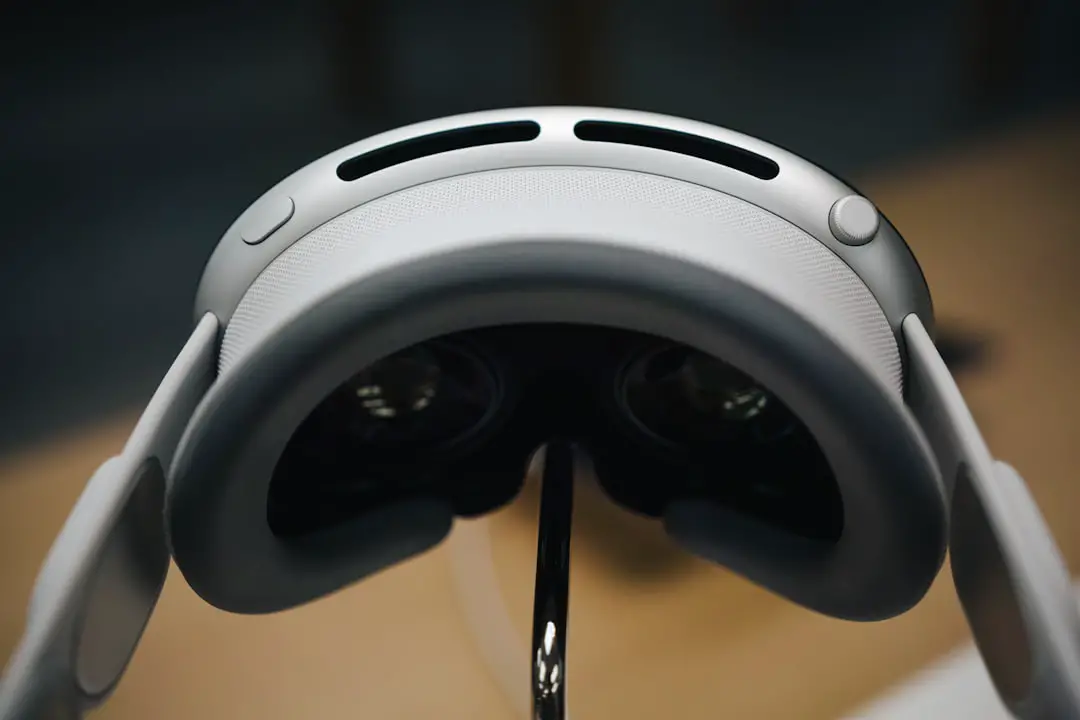
For over a decade, smartphones have served as the cornerstone of digital communication, information access, and entertainment. But as the pace of innovation accelerates and emerging technologies mature, the question arises: What comes next? With each passing year, the boundaries between our physical and digital lives continue to blur. While smartphones will likely remain relevant, a new wave of technology is poised to redefine how we connect, work, and interact with the world around us.
TLDR: What Comes After Smartphones?
The post-smartphone era is likely to be shaped by a convergence of technologies like augmented and virtual reality, wearable devices, and ambient computing. These next-generation platforms aim to create more immersive, seamless, and context-aware experiences. While still evolving, they promise to reduce screen dependency and embed technology more naturally into our environment. Smart glasses, brain-computer interfaces, and integrated ecosystems may soon take the lead in personal technology.
The Signs of Change
Several indicators suggest that we are nearing the plateau of smartphone innovation. Yearly hardware updates bring marginal improvements, and the user experience remains largely unchanged. The demand for more natural, intuitive forms of digital interaction is growing, especially as screen fatigue becomes a real concern. Businesses and consumers alike are looking forward to smarter, more adaptive tools that don’t require pulling out a device every time you need to interface with digital content.
Key Technologies Driving the Transition
To understand what could replace or supplement the smartphone, it’s important to look at the emergent technologies pushing the frontier forward:
- Wearable Devices: Smartwatches and fitness trackers have already gained significant ground. The next step includes more sophisticated wearables like smart rings, biometric clothing, and smart glasses.
- Augmented Reality (AR) and Mixed Reality (MR): Technologies like AR overlays suggest a future where digital content is seamlessly integrated into your view of the real world.
- Artificial Intelligence and Voice Interfaces: With devices like Amazon’s Alexa and Apple’s Siri, voice is fast becoming a primary mode of input and interaction.
- Brain-Computer Interfaces (BCIs): Once the realm of science fiction, BCIs are now being developed by companies like Neuralink to create direct communication between the brain and external devices.
- Ambient Computing and IoT: In a connected ecosystem, the device itself becomes secondary to the experience. Your digital assistant, smart home, and wearable devices create a cohesive network delivering information and services on demand.
Smart Glasses: A Viable Successor?
Leading tech companies, including Apple, Meta, and Google, are investing heavily in smart eyewear. Unlike clunky VR headsets, smart glasses are designed for daily use, offering AR experiences layered over the real world. Whether it’s navigational prompts as you walk, real-time translations, or facial recognition for business networking, smart glasses could become the new normal.
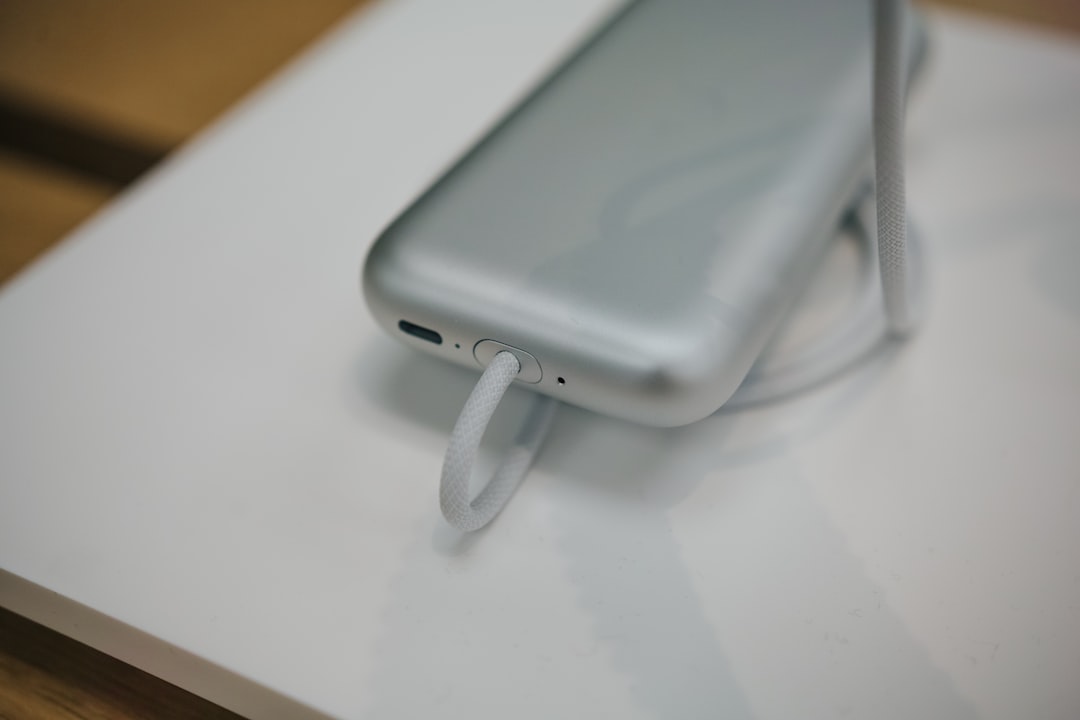
To succeed, these devices must overcome major challenges including battery life, connectivity, and privacy concerns. However, progress is being made. Apple’s Vision Pro and Meta’s Ray-Ban Stories represent the early commercial phase. While they are not yet household staples, analysts believe that within the next decade, smart glasses may replace the need for smartphones in many contexts.
The Growing Role of AI and Ambient Interfaces
Rather than interacting explicitly with individual devices, ambient computing envisions a world where technology fades into the background. It’s not about carrying a device but about having access to technology wherever you are, triggered by context and behavior rather than input.
Consider a day in an ambient system:
- Your wearable senses increased heart rate and prompts a wellness recommendation from your AI assistant.
- Your car knows your meeting location and calculates traffic in real-time, updating your schedule.
- Lights, temperature, and even music adjust based on your preferences and current mood using biometric data.
These experiences are possible through the fusion of IoT, machine learning, and cloud computing. Companies like Google are deeply focused on building ambient platforms, as suggested by the integration between its AI systems, smart home devices, and search functionalities.
Brain-Computer Interfaces: Direct from Mind to Machine
Another fascinating area of development is Brain-Computer Interfaces (BCIs). While this technology remains in its infancy, the promise it holds is revolutionary. Rather than tapping, swiping, or even speaking, users could control devices with their thoughts.
Elon Musk’s Neuralink is one of the most high-profile players in this field. So far, much of the focus is on medical applications—such as helping those with paralysis—but the broader implications are astounding. Imagine composing an email or browsing the web just by thinking. Though mass consumer adoption is years away, initial experiments indicate this is not science fiction but a potential reality.

However, this technology also enters ethically murky waters around privacy, data ownership, and mental autonomy. Strong regulatory frameworks and robust encryption will be critical as BCIs evolve past laboratories and into consumer markets.
The Smartphone is Not Going Away—Yet
It’s important to understand that “the next big thing” doesn’t necessarily mean the total demise of the smartphone. More likely, we are going to witness an evolution rather than a revolution. Smartphones might become central hubs in larger ecosystems of interconnected devices.
Even emerging platforms like smart glasses and BCIs often rely on smartphones as back-end processors or connectivity portals. Therefore, in many scenarios, smartphones may step into the background, ceded their front-line status to more immersive, convenient interfaces—but still present in some form.
What This Means for Developers and Businesses
Companies must start preparing for a dramatically different interaction model. Mobile-first apps may no longer be optimal. Instead, developers need to consider:
- Voice-first interfaces that function across different devices.
- Cross-platform applications that adapt fluidly between wearables, AR interfaces, and ambient environments.
- AI-led content delivery tailored not only to the user but also to context and environment.
Startups and established enterprises alike should view this as an opportunity to build tools and infrastructure for a more immersive future. Those who anticipate and architect for this future stand to become the tech leaders of the post-smartphone era.
Conclusion: A Seamless Future Awaits
The transition from smartphones won’t happen overnight. It will be gradual, marked by incremental shifts in hardware, interfaces, and user behavior. But as computing becomes less visible and more intuitive, we may find ourselves moving away from the idea of a single “device” and toward an interconnected ecosystem that serves us quietly and intelligently.
In the next decade, users may remember smartphones as tools that began our digital immersion but were eventually surpassed by more natural, integrated experiences. The next big thing is not a single device, but a new way of being connected to the digital world—constantly, contextually, and invisibly.