
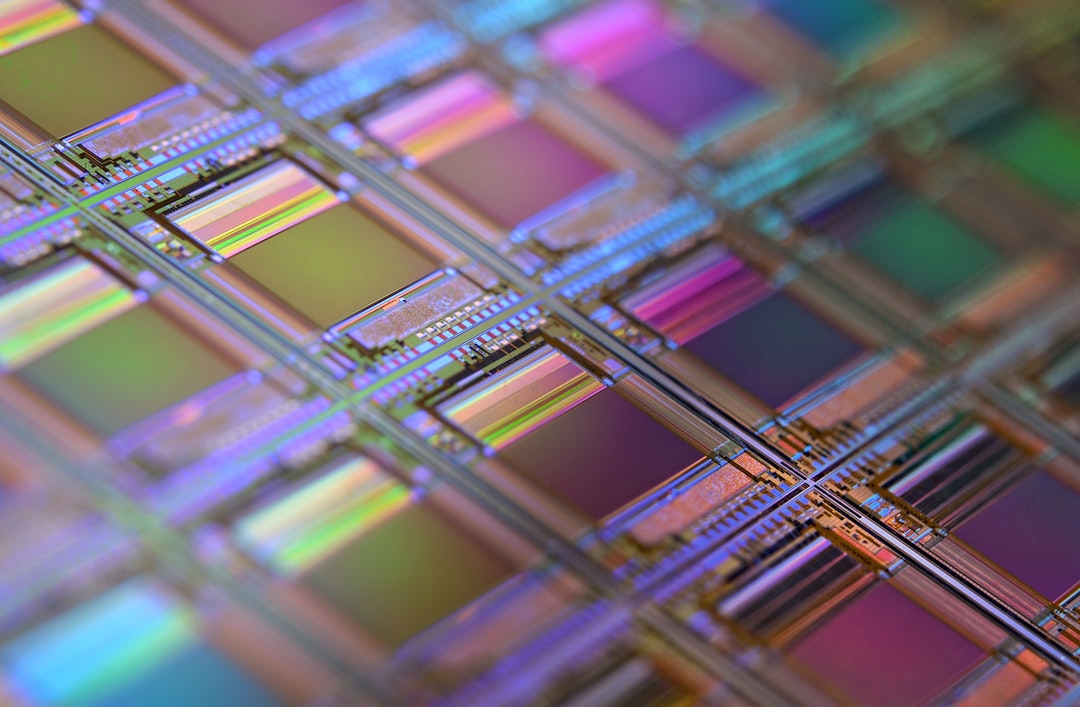
CMOS is the dominant semiconductor technology used to build low-power digital chips, image sensors, memory circuits, and many control systems inside modern electronics. The name stands for Complementary Metal-Oxide Semiconductor, and the key idea is simple: it pairs two transistor types so a circuit usually draws power only when it switches state.
TLDR: CMOS is a chip-making technology that uses paired n-type and p-type transistors to reduce power use and heat. A smartphone camera, for example, often uses a CMOS image sensor because it can capture millions of pixels while staying small and efficient. In a typical battery device, lower standby current can stretch usage by hours, and in large chips it can cut wasted power dramatically. If a device is compact, affordable, and battery-friendly, CMOS is probably part of the reason.
What CMOS Means
CMOS refers to both a circuit design method and a manufacturing technology. It is used to create integrated circuits on silicon wafers. These circuits may contain a few thousand transistors or tens of billions.
The word complementary matters. CMOS circuits use two opposite transistor types:
- NMOS transistors, which conduct well when the input signal is high.
- PMOS transistors, which conduct well when the input signal is low.
When combined correctly, one transistor pulls a signal up while the other pulls it down. They do not usually stay on at the same time. That is why CMOS can be so efficient.
How CMOS Works
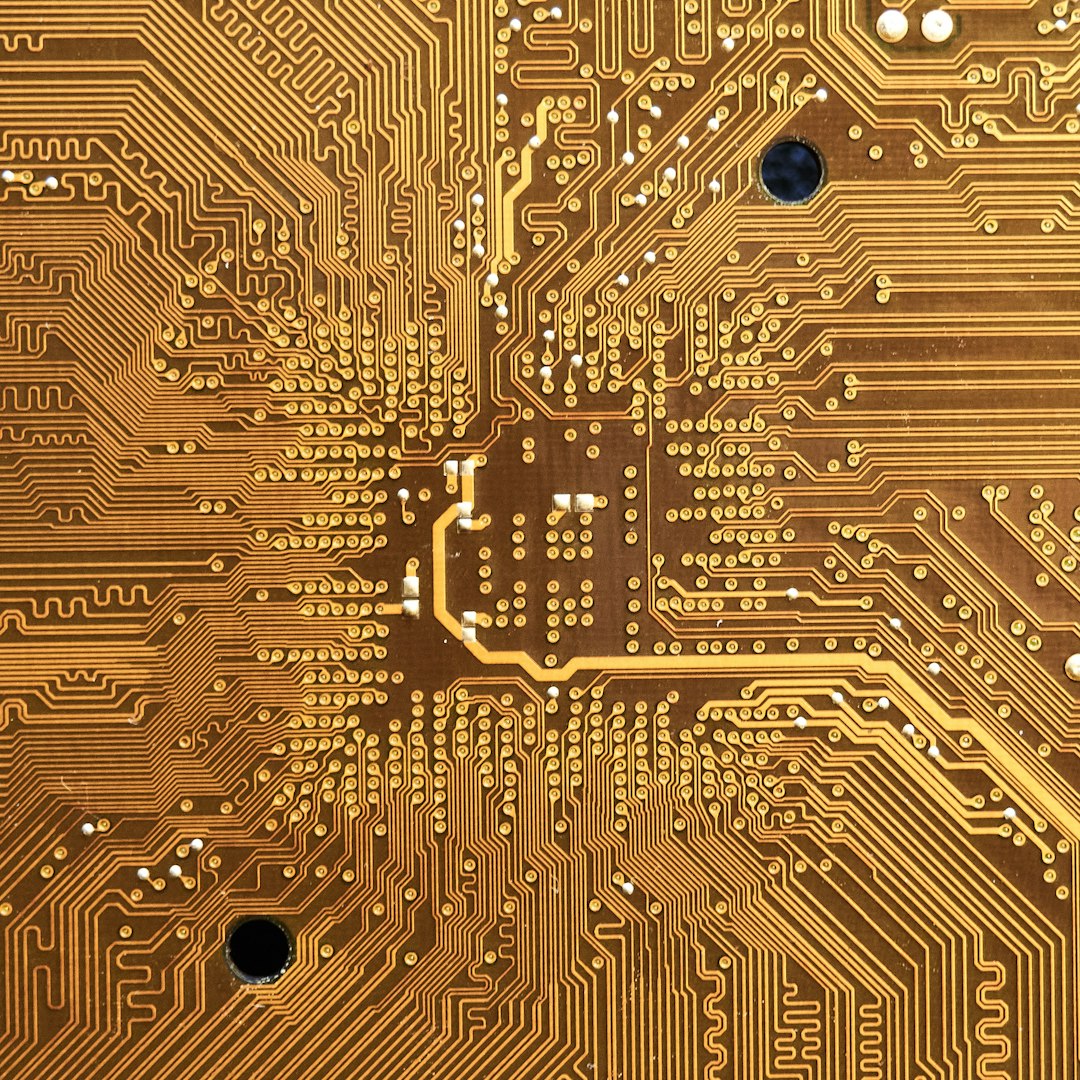
The easiest CMOS circuit to understand is the inverter. It takes a 1 and outputs a 0, or takes a 0 and outputs a 1. Inside the inverter, a PMOS transistor sits near the positive supply, and an NMOS transistor sits near ground.
When the input is low, the PMOS transistor turns on and pulls the output high. The NMOS transistor stays off. When the input is high, the NMOS transistor turns on and pulls the output low. The PMOS transistor stays off.
This push-pull behavior gives CMOS two major strengths:
- Low static power: Very little current flows when the circuit is not switching.
- Clear logic levels: Signals are strongly driven to 0 or 1, which helps reliability.
The catch is that CMOS is not free of power loss. Each switch charges and discharges tiny capacitances inside the chip. At billions of switches per second, that adds up. This is why clock speed, voltage, and chip layout still matter a lot.
Why CMOS Became So Widely Used
CMOS won because it solves a brutal engineering problem: how to pack more circuits into less space without turning every device into a heater. Older logic families could be fast but often burned more power. CMOS offered a better balance.
That balance changed electronics. It made pocket calculators practical. It helped personal computers shrink. It allowed phones, watches, cameras, routers, cars, and medical devices to carry serious processing power.
For digital logic, CMOS is now the normal choice. Processors, microcontrollers, memory chips, interface chips, and system-on-chip designs all rely on CMOS manufacturing in some form.
CMOS in Cameras and Image Sensors
Many people hear “CMOS” when comparing camera sensors. A CMOS image sensor converts light into electrical signals using pixels built directly into a silicon chip. Each pixel can contain photodiodes and readout circuits.
Older digital cameras often used CCD sensors. CCDs had strong image quality in early systems, but they needed more power and more external support circuitry. CMOS sensors improved quickly and became the common choice for phones, webcams, security cameras, car cameras, and many professional cameras.
A modern 12-megapixel CMOS sensor contains about 12 million light-sensitive pixel sites. It may also include timing control, analog-to-digital conversion, noise reduction, and image readout on the same chip. That integration keeps size and cost under control.
Key Advantages of CMOS
- Energy efficiency: CMOS circuits draw very little power when idle. This is critical for battery-powered devices.
- High density: Many transistors can fit into a small area, enabling complex chips.
- Lower heat: Less wasted power means less heat, which improves comfort and reliability.
- Mass production: CMOS processes are mature, scalable, and widely supported by chip factories.
- Mixed functions: Digital logic, memory, sensors, and analog blocks can be combined on one chip.
Honestly, it feels like the real miracle is not that CMOS works. It is that it works at such scale. A modern processor may contain more transistors than there are people on Earth, yet users expect it to wake instantly and sip battery while idle.
Limits and Tradeoffs
CMOS has limits. At very small transistor sizes, leakage current becomes harder to control. Transistors that are supposed to be off still let a tiny amount of current pass. Multiply that by billions, and standby power is no longer trivial.
Heat is another issue. High-performance CMOS chips can still become hot because switching power rises with frequency and capacitance. Lowering voltage helps, but only to a point. Below certain voltages, circuits become slower and less reliable.
Noise also matters. As circuits shrink, tiny variations in materials and geometry can affect behavior. Chip designers use careful layout, simulation, shielding, error correction, and power management to keep systems stable.
CMOS Battery Memory: A Common Confusion
People also use “CMOS” to describe the small memory area in older PCs that stores BIOS or firmware settings. This memory kept system time, boot order, and hardware settings. A small coin-cell battery powered it when the computer was off.
Strictly speaking, that memory used CMOS technology, but “the CMOS battery” became the everyday phrase. If that battery failed, a PC might forget the date and reset setup values. Newer systems often store settings in flash memory, but the phrase still hangs around.
Where CMOS Is Used
CMOS appears in far more places than people expect:
- CPUs and GPUs in computers, tablets, phones, and game consoles.
- Microcontrollers in appliances, toys, tools, sensors, and industrial controls.
- Memory chips, including SRAM and many support circuits around other memory types.
- Image sensors in phones, vehicles, cameras, drones, and medical equipment.
- Communication chips for Wi-Fi, Bluetooth, cellular, and wired interfaces.
Why CMOS Still Matters
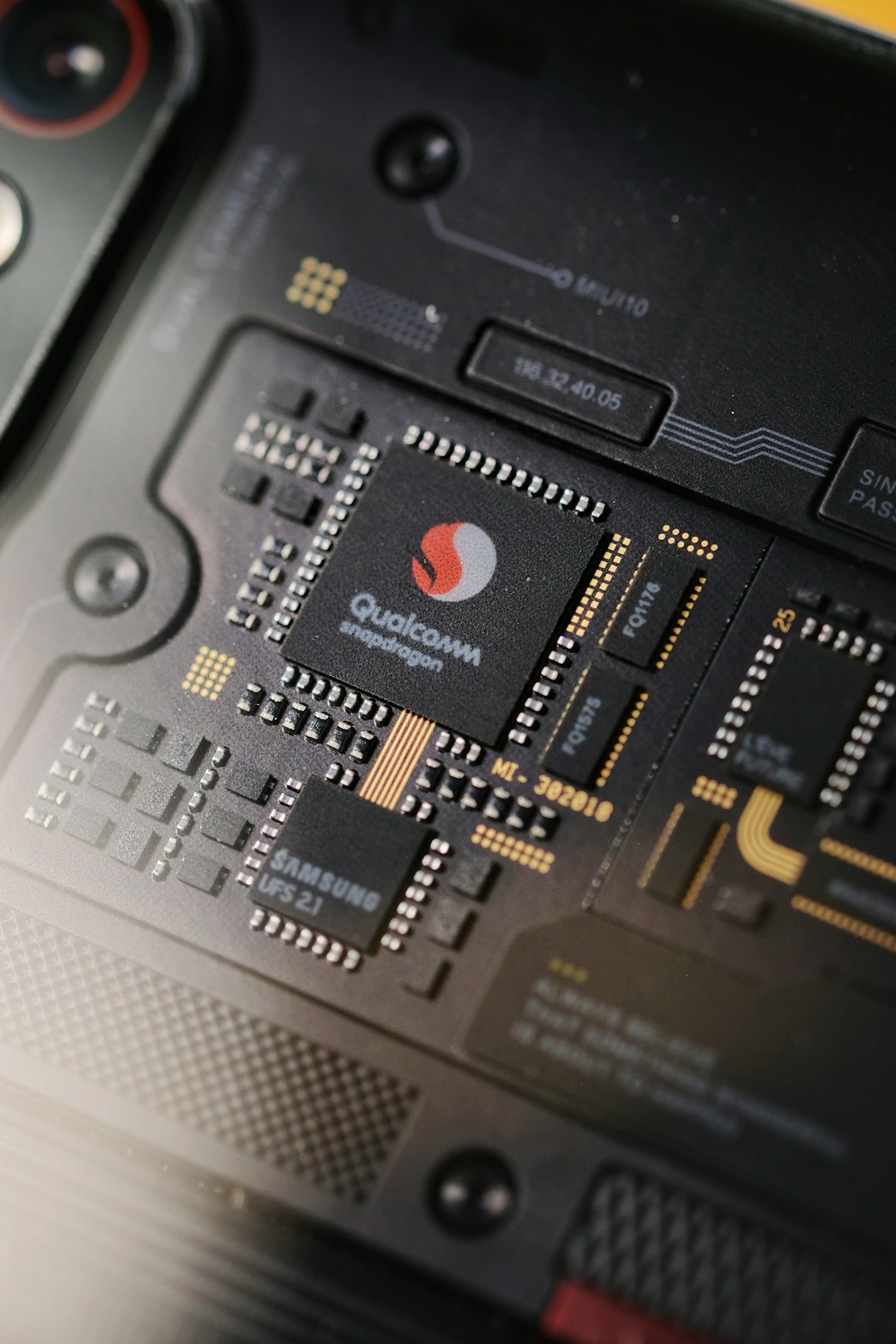
CMOS remains central because electronics keep demanding the same hard mix: more speed, less power, smaller size, lower cost, and higher reliability. No technology satisfies every need perfectly, but CMOS comes close enough for a huge range of products.
Newer chip structures, such as FinFET and gate-all-around transistors, are still part of the CMOS family. They change transistor shape to improve control at tiny dimensions. The core principle remains the same: use complementary devices to switch signals efficiently.
CMOS is not just one component. It is the foundation under much of the digital world. When a phone unlocks with a camera, a laptop sleeps for days, or a car monitors its surroundings with multiple sensors, CMOS technology is doing quiet work inside the system.