
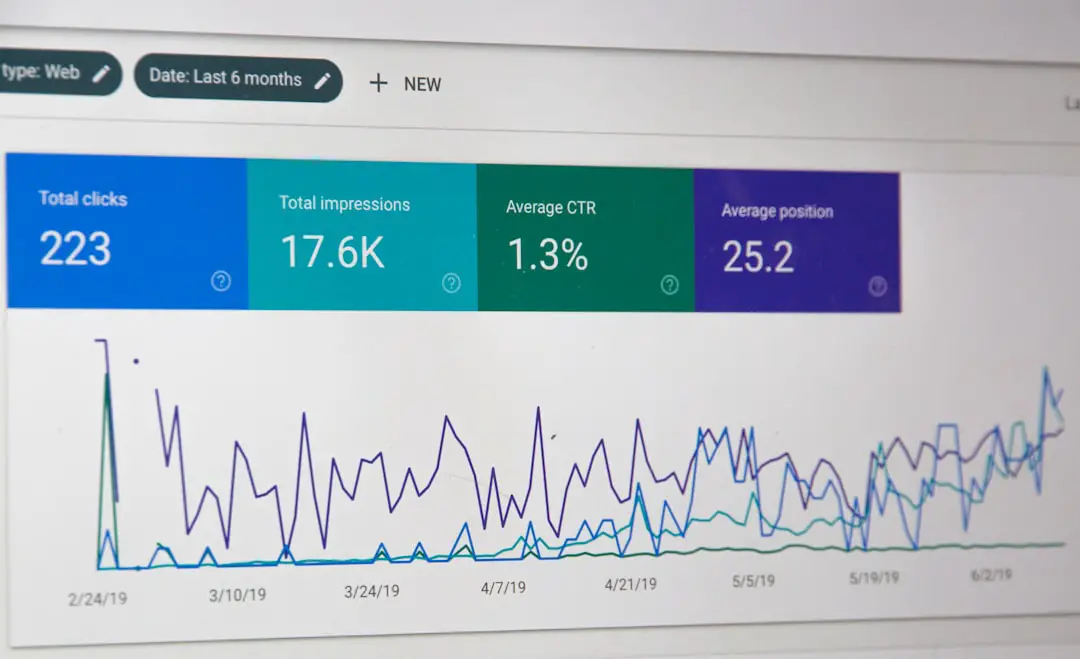
The aerospace and defense industries, historically driven by innovation, precision, and strategic control, are not often associated with cutting-edge web design. Yet, as digital presence becomes increasingly critical in recruitment, stakeholder communication, and mission-critical data sharing, these industries are adopting modern web strategies to improve user experience (UX) and boost engagement. From immersive visuals to responsive frameworks tailored for complex content, transforming digital assets has become a competitive necessity.
TL;DR: Aerospace and defense companies are adopting modern web design trends to make interactions more intuitive, secure, and engaging. There’s a growing emphasis on responsive design, streamlined navigation, immersive media, and intelligent interfaces that reflect both technological sophistication and clarity. These trends are motivated by the need to serve diverse users—from engineers and contractors to policymakers and civilians—while maintaining security and trust. Effective UX means improved missions, higher conversions, and stronger brand credibility.
Why Web Design Matters in Aerospace and Defense
Unlike entertainment or retail, aerospace and defense websites serve complex audiences: engineers seeking technical documents, military officials looking for procurement details, job seekers researching the latest openings, and even the general public. The challenge lies in balancing usability, functionality, and confidentiality. A well-designed site improves communication, boosts visibility, and helps position an organization as a leader in innovation.
Key Web Design Trends Shaping the Industry
1. Minimalist Layouts for Maximum Clarity
Engineering-intensive industries often suffer from dense websites packed with jargon and links. Current trends emphasize minimalist design — less clutter, more clarity. Aerospace and defense organizations are focusing on streamlined menus, plenty of white space, and a hierarchy that makes content easier to digest.
Benefits include:
- Faster navigation for users under time constraints
- Lower cognitive load, crucial for understanding technical information
- Improved readiness for adaptive or mobile interfaces
2. Interactive Elements
Interactive design elements such as hover animations, scroll-triggered effects, and clickable data visualizations enhance engagement and make it easier to explore complicated systems or procedures. In aerospace and defense, these tools allow for more immersive experiences—such as interactive maps showing satellite constellations or dynamic timelines of mission milestones.
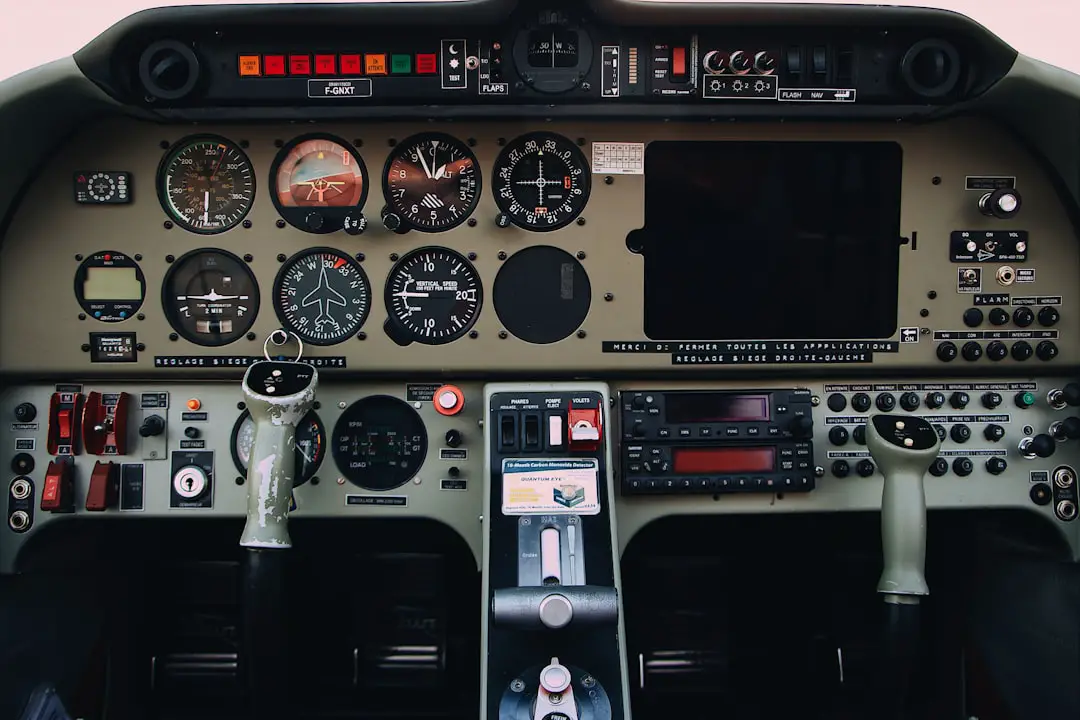
The use of interactivity is twofold: it captivates users while simultaneously conveying intricate information efficiently.
3. Immersive Imagery and Augmented Reality
Visual storytelling plays a big role in defense and aerospace design. From satellite captures to 3D renderings of aircraft, the medium enhances understanding through hyper-realistic and informative imagery. Some companies are even leveraging AR (augmented reality) features to simulate environments such as control rooms or flight paths.
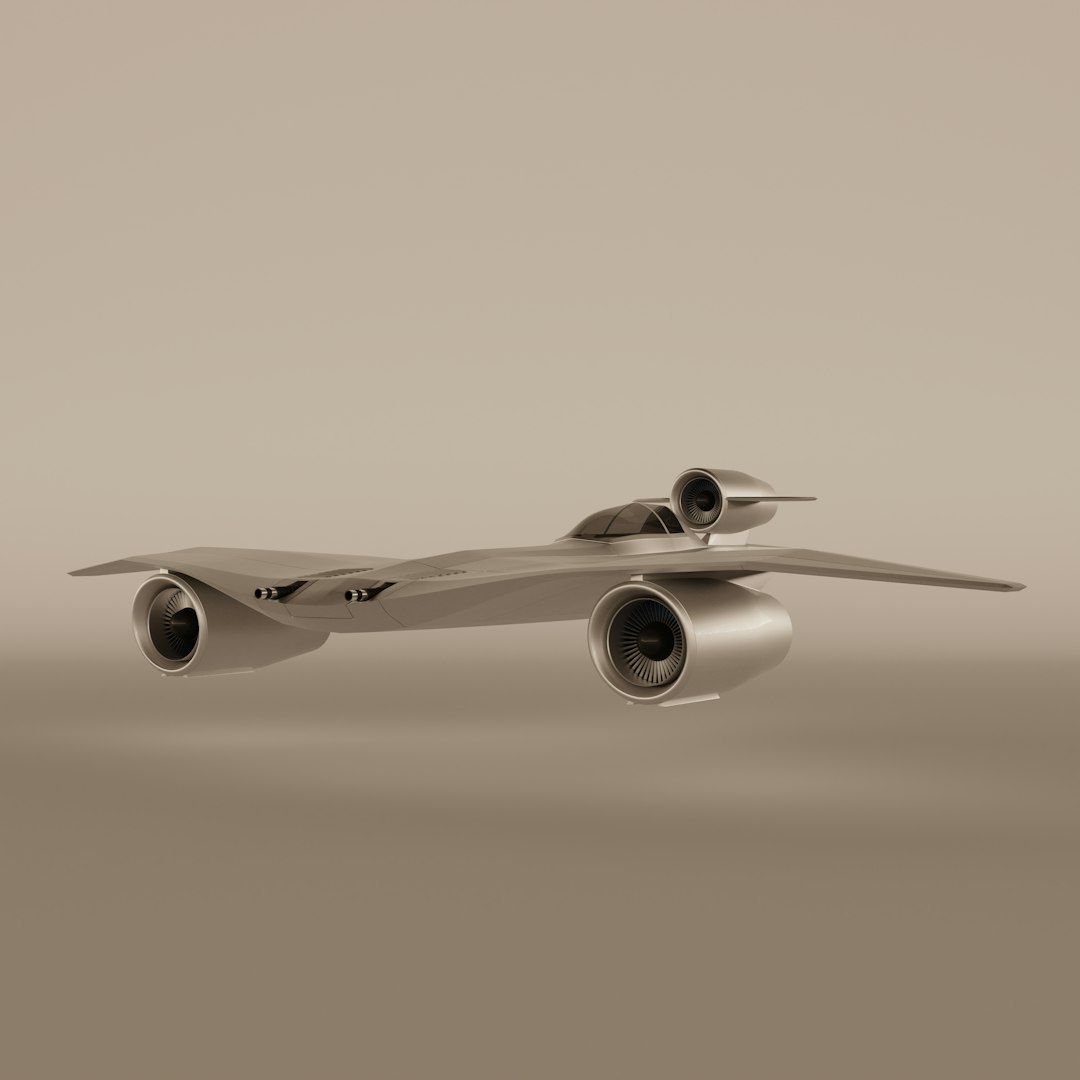
High-quality visual content can also:
- Build trust by showcasing design detail and precision
- Drive emotional engagement through immersive visuals
- Assist in education and training applications
4. Responsive and Mobile-First Design
Gone are the days when such websites were only accessed at desktops in offices. With remote work, BYOD policies, and on-the-go defense personnel, mobile optimization is no longer optional. Navigation, load times, and content formatting all have to adapt to smaller screens and touch interfaces.
Key considerations include:
- Scalable navigational menus
- Touch-friendly buttons and gestures
- Offline capabilities for fieldwork
This trend also supports accessibility among different user categories, ensuring information gets to the right person regardless of device.
5. Advanced Security UX
Given the sensitivity of data in this sector, ensuring users feel protected is as important as actually securing data. New web design trends incorporate cybersecurity visual cues—such as login authenticity indicators, multi-step verification wizards, and data protection notices that are part of the user flow.
Security is being designed into the user journey:
- Pre-login risk assessments with clear explanations
- Real-time alerts designed to reduce panic and suspicion
- Seamless authentication processes that don’t overwhelm
6. AI-Powered Interfaces and Chatbots
AI-driven personalization is now filtering into defense and aerospace UX. From intelligent chatbots handling procurement inquiries to predictive analytics configuring a user’s dashboard based on behavior, AI is revolutionizing digital interaction in this space. A well-trained chatbot can answer questions about satellite specs or military contracts while saving human resources for higher-order tasks.
Case Studies: Leaders at the Forefront
Raytheon Technologies
Raytheon has adopted a mobile-optimized, minimalist design that pairs streamlined navigation with powerful imagery. Its homepage serves as a story-driven portal, featuring real-time project updates and media-rich components. Advanced filtering systems for job openings and products reflect their focus on user intent.
NASA
Although a public space agency and not a private defense contractor, NASA sets benchmarks for visual storytelling. Its site features interactive visualizations, AR integration, and responsive content that adapts whether you’re a student, engineer, or curious explorer. It mixes educational utility with modern design appeal.
Northrop Grumman
They’ve integrated interactive project displays showing missile defense systems and space exploration missions. Their use of video headers and large-scale info-graphics helps communicate core capabilities quickly. The contemporary aesthetic subtly reinforces the brand’s cutting-edge identity.
Designing for the Future
With quantum computing, space privatization, drone tech, and AI-driven weapon systems on the rise, innovation in web design becomes a small but significant way to reflect leadership. Aerospace and defense firms can expect even more modular structures, voice-commanded navigation, and VR explorations in their websites of the future.
There will also be an increase in API integrations with secure internal systems, allowing controlled access to satellite feeds, mission dashboards, and engineering data directly via the browser—without compromising UX.
Best Practices for Web Design in Aerospace and Defense
- Know Your Audience: Distinguish between civilian visitors, engineers, government buyers, and media, tailoring content pathways accordingly.
- Prioritize Security Without Sacrifice: Keep security strong but user-friendly—allow opt-ins, not opt-outs.
- Be Visual but Purposeful: Every image or animation should enhance understanding or trust, not simply fill space.
- Test Across Environments: Defense users may be in low-bandwidth or high-security environments, so ensure your design accounts for that.
- Highlight Value First: Don’t overwhelm with specs or bureaucracy—lead with the mission benefit or product advantage.
Conclusion
Web design in aerospace and defense may not always be flashy, but it’s fast becoming a silent strategic asset. As more users rely on digital interfaces to form their impressions, support operations, and make decisions, the emphasis on UX and modern design trends is not optional—it’s essential. With a strong design foundation, these companies not only improve engagement but uphold their values of reliability, innovation, and trust.
From interactive dashboards to augmented presentations and intelligent chat support, the digital face of aerospace and defense has never looked more promising—or more engaging.