
For many artists and designers, turning creativity into a viable business starts online. Selling art through digital platforms not only expands your reach to a global audience but also reduces the barriers traditionally associated with getting into galleries or retail spaces. However, with the abundance of online marketplaces, it can be overwhelming to choose the right one — especially for beginners.
TLDR (Too Long, Didn’t Read)
If you’re just getting started selling your art online, begin with platforms that offer easy setup, low upfront costs, and built-in audiences. Sites like Etsy, Redbubble, and Society6 are ideal for new creatives due to their user-friendly interfaces and supportive communities. Shopify and Big Cartel suit those ready to have more control over their brand. Each platform has unique advantages depending on your medium, goals, and level of commitment.
1. Etsy: The Go-To Marketplace for Handmade and Artistic Goods
Etsy is widely regarded as the most accessible platform for artists who want to start selling quickly and with minimal hassle. Specializing in handmade, vintage, and unique items, Etsy connects creators directly with consumers looking for personalized goods.
- Ease of Use: Simple uploader tools and ready-made templates make setting up shop straightforward.
- Built-In Customer Base: Millions of users worldwide are already browsing for art and crafts.
- Low Startup Cost: Listings cost just $0.20 each, with a 6.5% transaction fee.
While competition is fierce, success on Etsy tends to favor those who spend time optimizing their product descriptions, imagery, and customer interactions. Invest in detailed tags and high-quality photos for best results.

2. Redbubble: Seamless Integration for Print-on-Demand
Redbubble stands out for its acclaimed print-on-demand tools that enable artists to sell their work on a wide range of physical products — from apparel to home decor — without ever managing inventory.
- No Upfront Fees: Artists can open a shop and start uploading designs free of charge.
- Automatic Fulfillment: Redbubble handles all printing, shipping, and customer service.
- Customizable Profit Margins: Sellers can set their own markup on each product.
It’s a particularly good match for digital illustrators and graphic designers who want to experiment with product design without taking on logistics. The downside is a saturated market, so creating niche or pop-culture-inspired work can increase visibility.
3. Society6: Curated Vibes for Emerging Creatives
Society6 is another print-on-demand marketplace, but with a more curated feel and art-forward reputation. It focuses heavily on home goods like wall art, textiles, and lifestyle products, giving new artists access to design-conscious customers.
- High-Quality Products: Known for premium-quality prints and materials.
- Consistent Brand Aesthetic: Leverages design trends to shape product categories.
- Low Barrier to Entry: Easy signup and automated fulfillment processes.
It’s worth mentioning that while Society6 pays fixed royalty rates for most products (around 10%), artists can adjust pricing on art prints and canvases. Its community-centric nature and editorial features can help newcomers gain exposure, especially when featured in promotional campaigns.
4. Shopify: Complete Control for Independent Stores
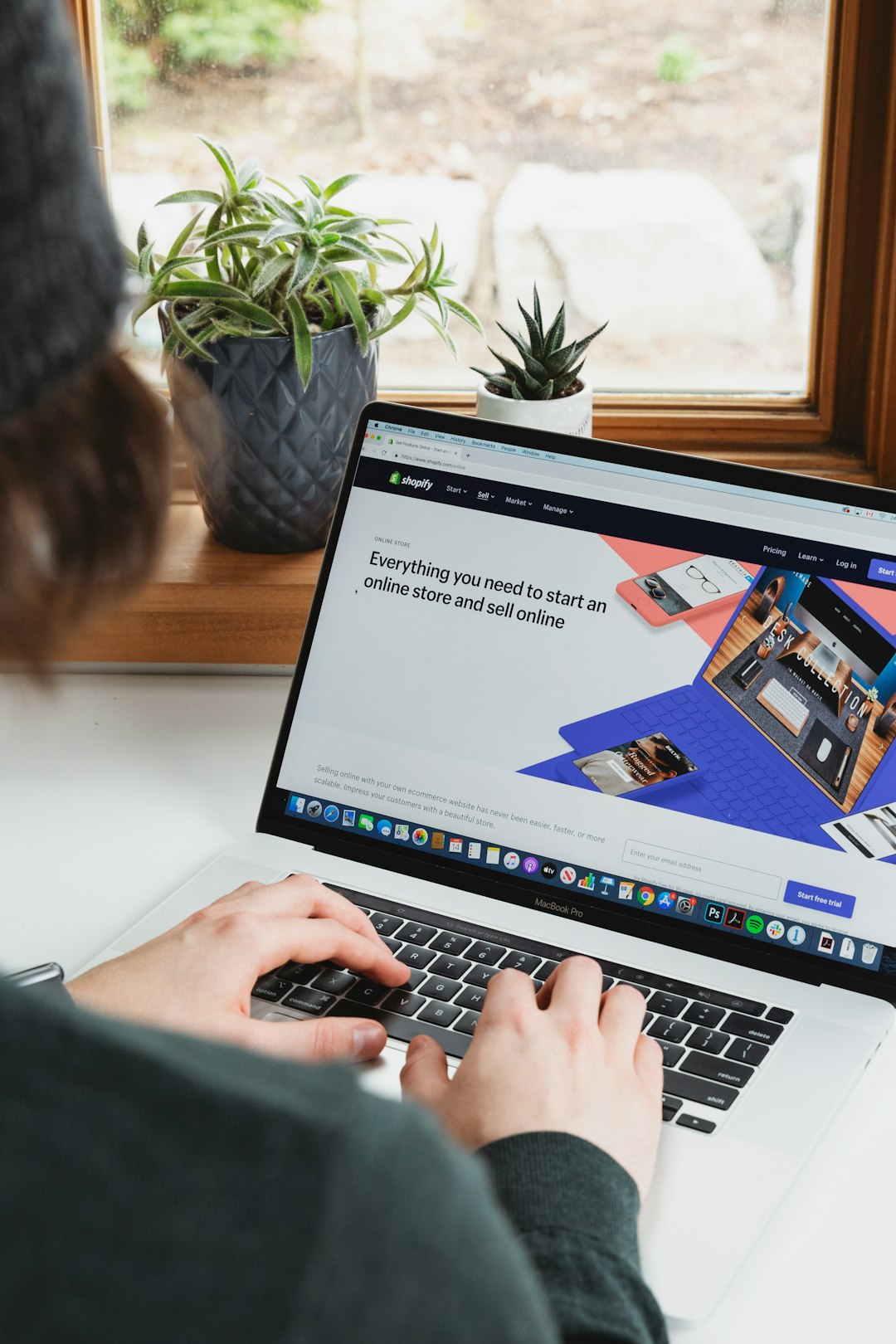
For creatives who envision building a fully branded art business, Shopify offers robust tools for creating a standalone online store. Unlike marketplaces that handle traffic and customers for you, Shopify provides the framework — allowing for full customization of your storefront and branding.
- Strong Design Tools: A wide selection of themes optimized for mobile and e-commerce.
- App Ecosystem: Expand functionality with tools for print-on-demand, SEO, shipping, billing, and more.
- Monthly Subscription: Entry-level plans start at $39/month, so investment is higher than other platforms.
Shopify is perfect for artists with a growing audience or those wanting full autonomy over layout, pricing strategy, and email marketing. However, it’s best suited to creatives able to dedicate time to driving their own traffic through social media and ads.
5. Big Cartel: Simple and Affordable for Small Catalogs
Big Cartel offers a lightweight and user-friendly platform designed specifically for independent artists and makers. Known for its simplicity, it’s ideal for those just starting out, especially if you have fewer than five items to sell.
- Free Plan: The free tier allows for up to 5 product listings, making it great for testing the waters.
- Minimalist Storefronts: Clean interfaces that highlight artwork without distractions.
- Built-In Metrics: Get visitor data and order tracking without complex dashboards.
It’s limited in scope compared to platforms like Shopify, but for a beginner art business with a small, curated collection, Big Cartel is extremely easy to manage and maintain.
6. Saatchi Art: Fine Art in a Global Marketplace
For more traditional or fine artists wanting to reach collectors online, Saatchi Art is a curated platform that provides global exposure for original paintings, photography, sculpture, and other fine artworks.
- Curated Audience: Appeals to serious collectors and professionals.
- Professional Services: Includes optional free shipping and handling of logistics.
- Commission-Based: Artists earn 65% of each sale.
Its application process is more selective than other beginner platforms, but it’s still accessible to emerging artists with quality work. Saatchi Art also supports digital artists through limited edition prints and offers helpful guidance on pricing and presentation.
7. Fine Art America: Versatile Platform with Global Logistics
Fine Art America combines e-commerce with print-on-demand manufacturing, allowing artists to sell everything from canvas prints and framed art to t-shirts and greeting cards. They offer both physical and digital delivery options, making it suitable for photographers as well as illustrators.
- Artist-Controlled Pricing: Set your own markups above the base cost.
- Extensive Product Offering: 100+ products, including digital downloads and licensing options.
- Marketing Support: Tools for newsletters, promotional contests, and built-in SEO.
This platform can be slightly more complex to master due to its breadth, but it rewards those who take time to explore its tools and features fully.
Choosing the Right Platform for Your Goals
Each of these platforms offers different advantages depending on where you are in your artistic journey. Here’s a quick way to think about it:
- For simplicity and support: Start with Etsy or Redbubble.
- For fine art sales: Try Saatchi Art or Fine Art America.
- For branding and control: Consider Shopify or Big Cartel.
The best strategy may involve starting on one or two marketplaces to build experience, then expanding to more customizable platforms as your brand grows. Remember, consistency, high-quality images, and great storytelling about your work will always help in attracting the right buyers.
Final Thoughts
No one-size-fits-all solution exists when it comes to selling art online, but beginners are better served by platforms that minimize setup time and maximize exposure. Whether you’re a digital illustrator, painter, printmaker, or photographer, these user-friendly platforms are stepping stones to turning your creativity into a sustainable income. Choose based on your goals, experiment with different options, and don’t be afraid to pivot as you grow.