
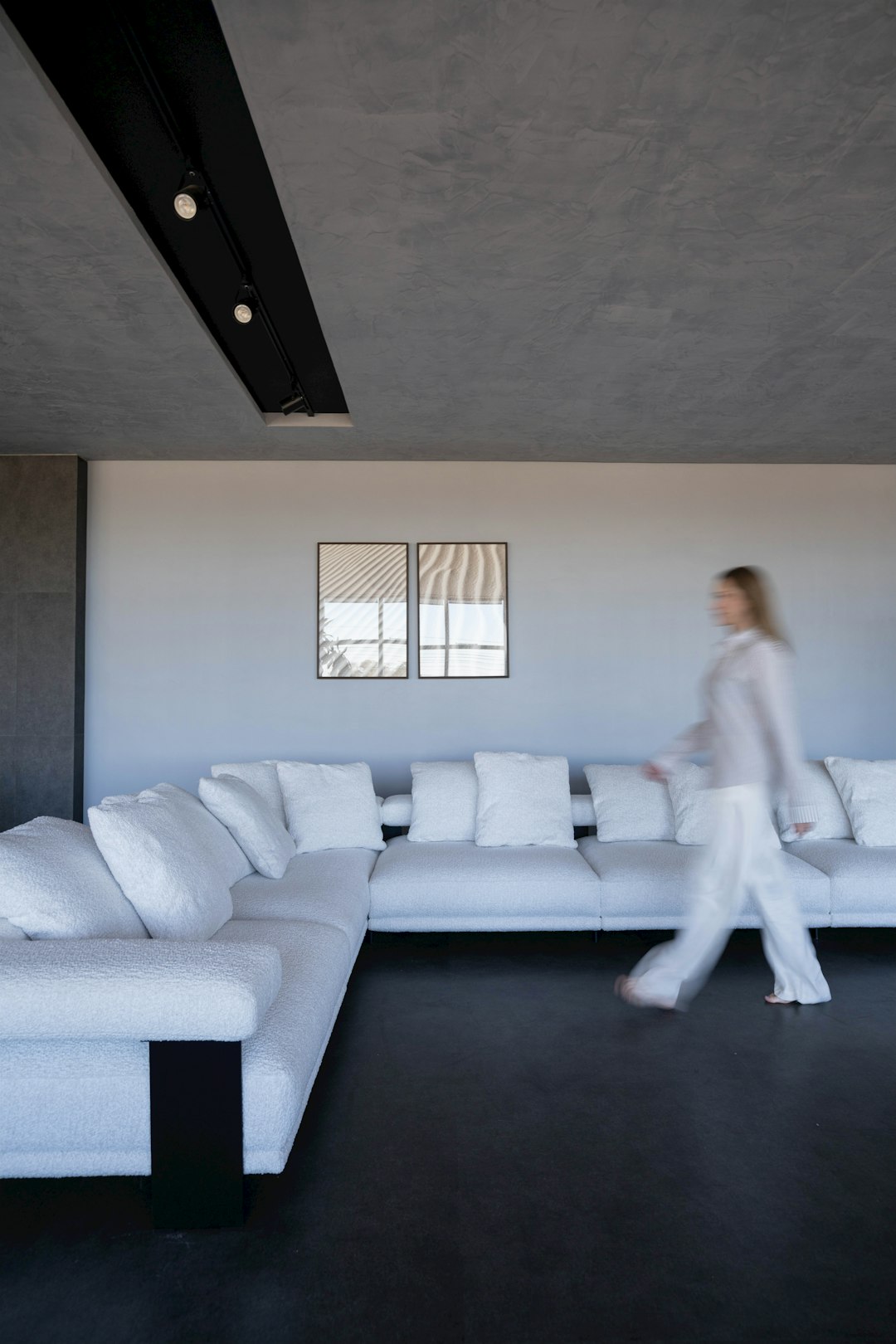
Custom wall art has evolved from a decorative afterthought into a central element of thoughtful interior design. Today, homeowners, renters, and business owners alike seek personalized spaces that reflect their taste, experiences, and values. Wallapix custom wall art offers a practical and refined way to transform blank walls into meaningful focal points while maintaining professional design standards. This guide explores current decor trends, key design principles, and practical tips to help you create personalized spaces with confidence and precision.
TLDR: Custom wall art from Wallapix allows you to transform personal photos and designs into high-quality decor tailored to your space. To achieve professional results, focus on scale, color harmony, layout balance, and material selection. Trending styles include gallery walls, oversized statement pieces, and minimalist black-and-white photography. With thoughtful planning and the right product choice, personalized wall art can elevate any room.
Why Custom Wall Art Matters in Modern Design
Interior design trends increasingly prioritize authenticity and individuality. Rather than relying solely on mass-produced prints, many designers now encourage clients to incorporate personal photography, custom graphics, and meaningful imagery into their spaces.
Custom wall art offers several key advantages:
- Personal expression: Display meaningful memories or artistic creations.
- Design cohesion: Match specific color palettes and room themes.
- Unique focal points: Avoid generic decor found in multiple homes.
- Flexible sizing options: Tailor artwork dimensions to your wall proportions.
Wallapix specializes in turning digital photos and artwork into professional-grade wall decor, offering various finishes and formats to suit different aesthetics.
Popular Custom Wall Art Trends
Understanding current decor trends helps ensure your personalized artwork complements modern interiors while remaining timeless.
1. Oversized Statement Pieces
Large-scale pieces are particularly effective in minimalist spaces. A single expansive canvas or metal print can create visual impact without overwhelming the room.
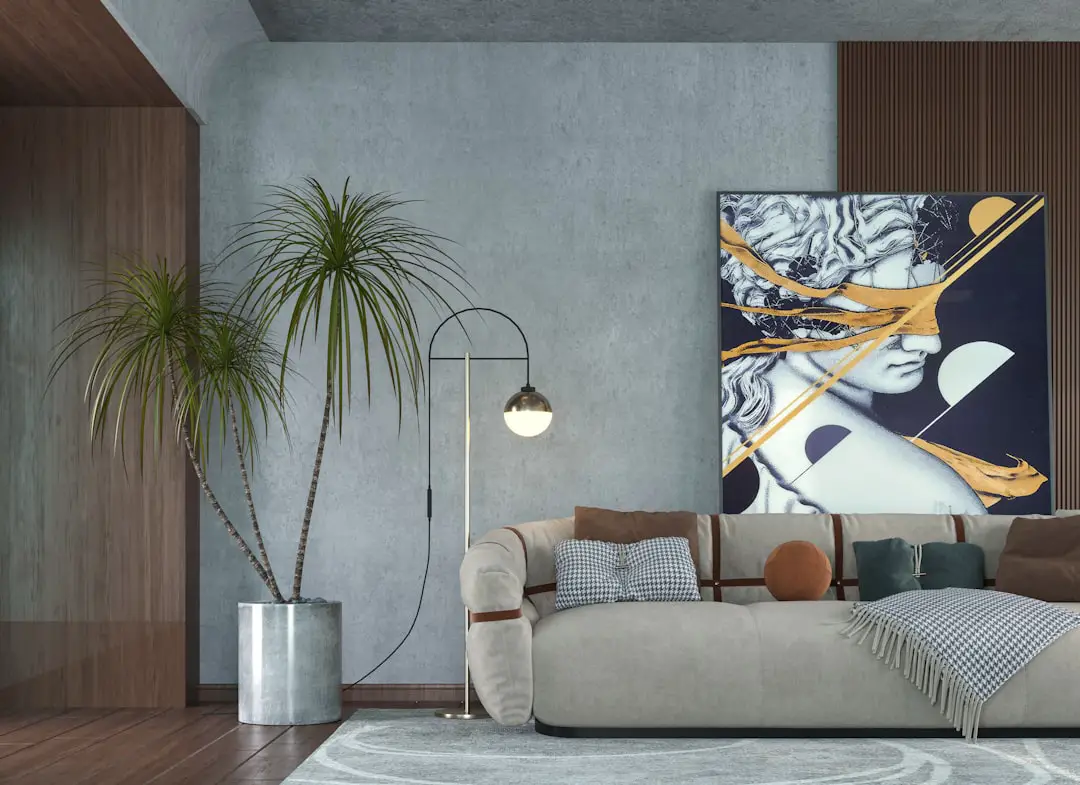
Design tip: Choose high-resolution images when printing oversized art to maintain crisp detail and avoid pixelation.
2. Curated Gallery Walls
Gallery walls allow you to combine personal photos, typography, and art prints into one cohesive arrangement. Symmetrical grids provide a structured look, while organic layouts create visual dynamism.
Best practices for gallery walls:
- Stick to a unified color palette
- Maintain consistent spacing between frames
- Lay out arrangements on the floor before mounting
- Use paper templates to plan placement
3. Black and White Photography
Black-and-white prints remain a reliable choice for contemporary interiors. They reduce visual noise while emphasizing form, emotion, and texture.
4. Nature-Inspired Imagery
Landscapes, botanical prints, and travel photography continue to trend as homeowners seek calming, biophilic design elements.
Choosing the Right Wallapix Product
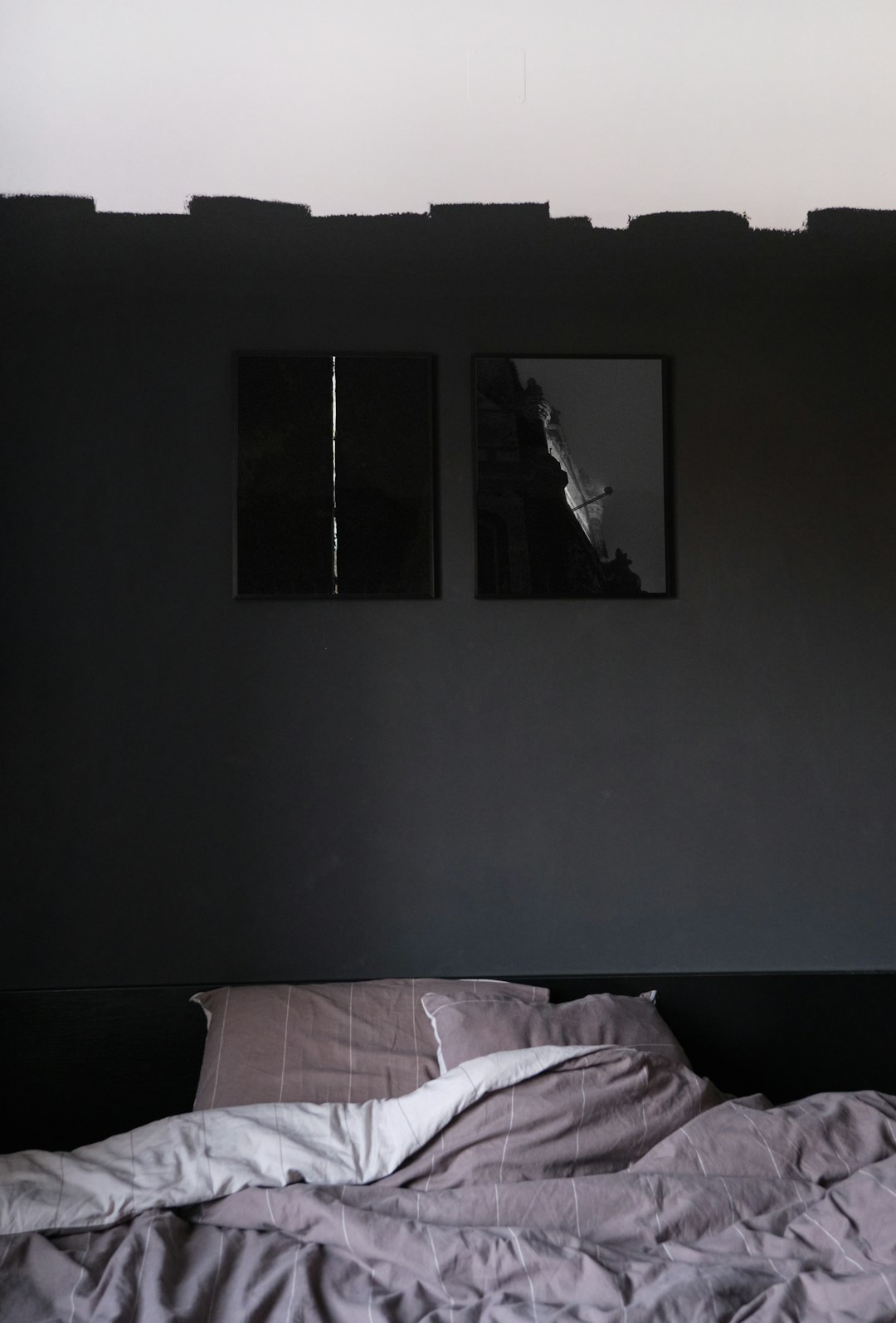
Selecting the appropriate material is just as important as choosing the image itself. Different formats produce different visual effects and durability levels.
| Product Type | Best For | Visual Effect | Durability | Style Suitability |
|---|---|---|---|---|
| Canvas Prints | Family photos, portraits | Soft texture, classic look | High | Traditional and modern |
| Metal Prints | Vivid landscapes, urban photography | Glossy, vibrant colors | Very high | Contemporary and industrial |
| Acrylic Prints | High contrast images | Sharp, luminous finish | High | Luxury and modern spaces |
| Framed Prints | Gallery walls, fine art | Structured and refined | High | Classic and transitional |
| Photo Tiles | Flexible layouts, rentals | Lightweight, clean | Moderate | Minimalist and casual |
Tip: For rooms with strong natural light, consider glare-resistant finishes such as canvas or matte framing options.
How to Design a Balanced Wall
A professional-looking wall composition depends on careful spatial planning. Even high-quality art can appear disorganized if poorly positioned.
1. Scale and Proportion
Artwork should occupy approximately two-thirds to three-quarters of the width of the furniture beneath it. For example, a sofa that measures 90 inches wide pairs well with a 60–70 inch canvas grouping.
2. Correct Hanging Height
The center of your artwork should typically hang at eye level—around 57 to 60 inches from the floor. In dining rooms or spaces where people are seated, slightly lower placement is appropriate.
3. Color Harmony
Use wall art to reinforce or gently contrast your room’s existing palette. You may:
- Match dominant accent colors
- Select complementary hues for contrast
- Use monochromatic schemes for sophistication
4. Negative Space
Avoid overcrowding. Blank wall space is essential for visual breathing room and allows focal pieces to stand out.
Room-by-Room Custom Wall Art Ideas
Living Room
This is typically the focal point of a home. Use bold imagery, large canvases, or curated gallery walls to create a statement.
Recommended approaches:
- Oversized family portraits
- Abstract artwork matching sofa accents
- Travel photography series
Bedroom
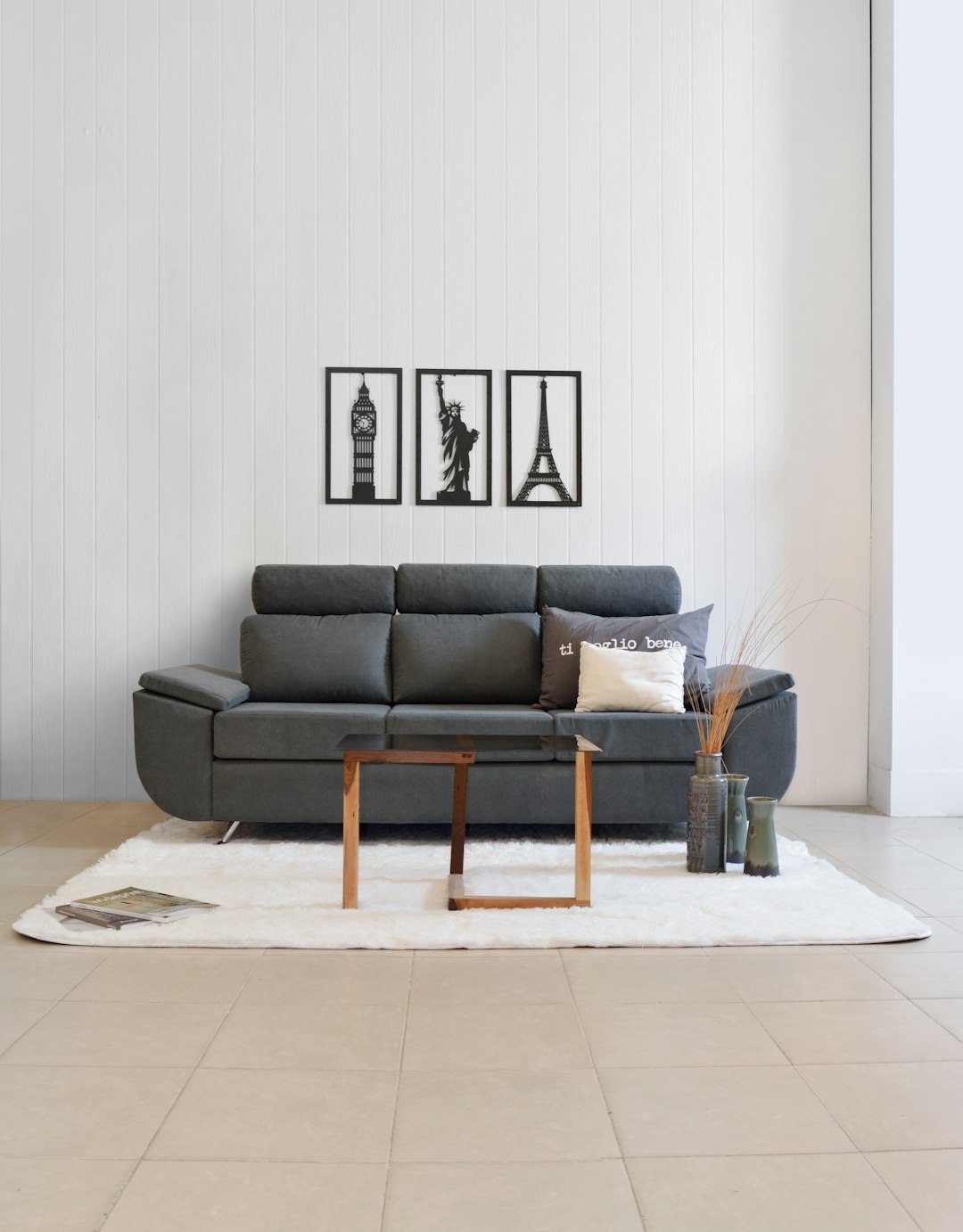
Bedrooms benefit from calm, cohesive visuals. Choose serene landscapes, black-and-white portraits, or minimalist typography.
Design rule: Keep color saturation moderate to promote relaxation.
Home Office
Motivational quotes, architectural photography, or structured abstract prints can help foster productivity while maintaining sophistication.
Hallways and Entryways
These transitional areas are ideal for memory-driven storytelling through photo grids or timeline-style arrangements documenting travel or milestones.
File Preparation for Professional Results
To maximize print quality with Wallapix, consider the following technical guidelines:
- Resolution: Aim for at least 300 DPI at final print size.
- Image format: Use high-quality JPEG or TIFF files.
- Color space: Standard RGB files are generally appropriate, but confirm platform recommendations.
- Crop alignment: Ensure focal points are centered correctly based on product wrap or framing.
Enlarging low-resolution images may produce blur or pixelation. If in doubt, test smaller formats before committing to large-scale prints.
Lighting Considerations
Lighting dramatically influences how custom wall art appears within a space.
Key considerations:
- Use directional accent lighting to highlight statement pieces.
- Avoid harsh overhead glare on glossy prints.
- Install dimmers to adapt ambiance throughout the day.
Track lighting or adjustable picture lights can elevate your wall art into a gallery-style feature.
Maintaining Your Custom Wall Art
Proper care ensures longevity and continued visual impact.
- Dust regularly using a microfiber cloth.
- Avoid direct prolonged sunlight exposure.
- Use non-abrasive cleaners for acrylic or metal surfaces.
- Check mounting hardware annually for stability.
High-quality materials from Wallapix are designed for lasting durability, but preventative maintenance protects your investment.
Common Mistakes to Avoid
Even well-intentioned designs can fall short due to a few avoidable missteps:
- Choosing artwork that is too small for the wall
- Ignoring room color balance
- Overcrowding gallery layouts
- Selecting low-resolution source images
- Hanging art too high
Attention to proportion and image quality is essential for achieving polished results.
Creating a Long-Term Design Strategy
Custom wall art should not feel temporary or impulsive. Instead, approach it as part of an evolving interior strategy. Establish themes—such as travel, family heritage, abstract expression, or architectural detail—and build collections gradually.
This measured approach allows your personalized spaces to mature organically while maintaining cohesion and refinement.
Final Thoughts
Custom wall art with Wallapix offers a structured yet creative pathway to meaningful interior design. By combining quality materials, thoughtful composition, and current decor trends, you can craft walls that reflect both aesthetic discipline and personal narrative. The key lies in balancing scale, color harmony, and technical precision while selecting formats that align with the character of your space.
When executed thoughtfully, personalized wall art becomes more than decoration—it becomes an enduring extension of identity within your home or workspace.