
Organizing an event is only half the battle – the real challenge lies in getting the word out in a way that drives attendance, builds excitement, and ensures a successful turnout. Whether you are promoting a local workshop, a virtual webinar, or a major industry conference, understanding effective marketing tactics is essential for your event’s success.
TLDR:
This guide breaks down a comprehensive step-by-step strategy to market your event effectively using proven online and offline methods. You’ll learn how to identify your target audience, build compelling messaging, leverage social media and email marketing, partner with influencers, and optimize post-event engagement. If you’re looking to maximize attendance and visibility, this article will give you a strong, actionable framework. Proper planning and execution are key to a successful promotional campaign.
1. Define Your Event Goals and Target Audience
The first step in any marketing strategy is clarity. Start by asking yourself: What is the purpose of your event? Are you trying to drive sales, create awareness, or foster community engagement? Once your objectives are established, outline your target audience. Consider factors such as:
- Demographics (age, gender, location)
- Job titles or industries
- Interests and online activity
- Event preferences (virtual vs. in-person)
Knowing exactly who you’re trying to reach will help you craft messages that resonate and choose the right promotional channels.
2. Build a Strong Event Brand
Your event’s branding is integral to how it’s perceived. Create cohesive visual elements and consistent messaging that reflect your event’s value and tone. This includes:
- Event name: Catchy but clear enough to convey purpose.
- Logo and color scheme: Visually appealing and unique.
- Tagline: A memorable statement that communicates the core benefit.
Remember, strong branding not only builds recognition but also establishes credibility.
3. Develop a Promotional Timeline
Timing is crucial. Map out a promotional calendar that outlines every phase of your campaign, from the “Save the Date” teaser to last-minute reminders. A well-structured timeline might include:
- 8-10 weeks out: Initial announcements and early-bird registration.
- 6 weeks out: Frequent social media posts and content marketing.
- 4 weeks out: Influencer and partner collaborations.
- 2 weeks out: Countdown emails and promotional videos.
- Week of: Final push with testimonials and clear CTAs (calls-to-action).
4. Create a High-Converting Landing Page
Your landing page is where potential attendees make the decision to register. Ensure it includes:
- Clear value proposition: What’s in it for them?
- Compelling visuals: Photos, past event highlights, and speaker images.
- Prominent CTA: “Register Now” buttons should be visible throughout.
- Details: Date, time, location, agenda, ticket tiers.
Make it mobile-friendly, fast-loading, and optimized for search engines with relevant keywords.
5. Leverage Social Media Strategically
Social media can amplify your event when used well. Focus on 2-3 platforms where your audience is most active. Best practices include:
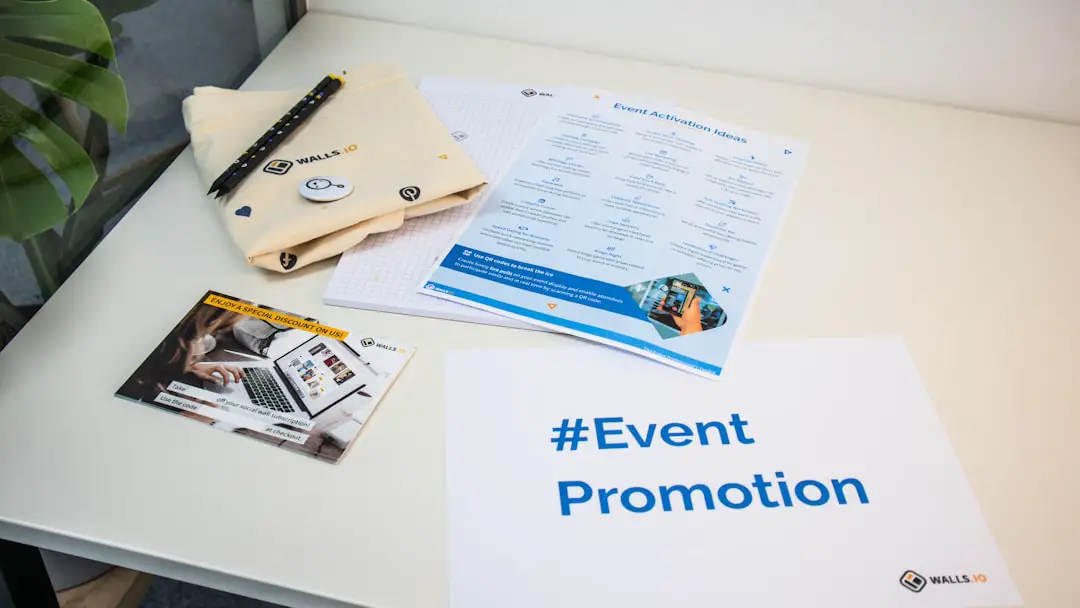
- Event hashtag: Encourage sharing and discoverability.
- Scheduled posts: Vary post formats – graphics, videos, and stories.
- Live content: Behind-the-scenes and Q&A sessions build excitement.
- Social media ads: Use geo-targeting and lookalike audiences.
6. Use Email Marketing to Nurture and Convert
Email marketing remains one of the most effective promotional tools. Design a series of emails that guide recipients through the registration funnel:
- Announcement Email: Introduce the event and provide early access.
- Value Email: Highlight speakers, sessions, or exclusive offers.
- Reminder Email: Countdown reminders spark urgency.
- Last Chance Email: Final push before registration closes.
Segment your email list so that past attendees, prospects, and partners receive tailored content.
7. Collaborate with Influencers and Partners
Influencers and partners can rapidly extend your event’s reach. Coordinate collaborations with:
- Industry influencers: Ask them to share your event in stories or a dedicated post.
- Media partners: Trade promotion for exposure.
- Sponsors: Provide assets they can use in their newsletters or blogs.
Offer discount codes or free access passes to partners in exchange for promotion. Their credibility can significantly impact your visibility.
8. Invest in Paid Advertising
To supercharge your reach, consider a paid media strategy. Platforms like Google Ads, Facebook, and LinkedIn allow precise targeting, especially beneficial if you’re aiming for specific job roles or industries. Allocate a portion of your budget to:
- Retargeting ads: Remind people who visited your site but didn’t sign up.
- Search ads: Capture attention of those searching relevant keywords.
- Sponsored content: Advertise directly in newsfeeds on LinkedIn, Instagram, or Twitter.
Monitor ROI closely and make adjustments weekly for best performance.
9. Encourage Word-of-Mouth Marketing
Your attendees can be your best promoters. Set up systems to amplify organic buzz:
- Referral programs: Offer perks for bringing friends.
- Branded content: Provide shareable posts and branded images.
- Incentives: Run contests for those who promote on their networks.
Word-of-mouth is powerful because it’s trusted – amplify it wherever possible.
10. Post-Event Promotion and Engagement
Don’t let the promotional engine stop when the event ends. Capitalize on the momentum by:
- Sending a thank-you email: Include highlights and a call to follow your socials.
- Sharing content: Post event photos, recorded sessions, and speaker quotes.
- Collecting feedback: Use surveys to improve future events and deepen engagement.
Use post-event content as a hook to nurture relationships and seed demand for your next event.
Final Thoughts
Promoting an event requires more than sporadic social media posts or last-minute emails. It’s a coordinated campaign involving strategy, creativity, and timing. By following this step-by-step plan, you’ll increase your chances of drawing a crowd that’s engaged, excited, and ready to participate.
Remember to track every tactic you implement and analyze the effectiveness post-event. Marketing is not just about visibility – it’s about results.
Execute well, learn from every experience, and continue refining your approach for even greater success in future events.