
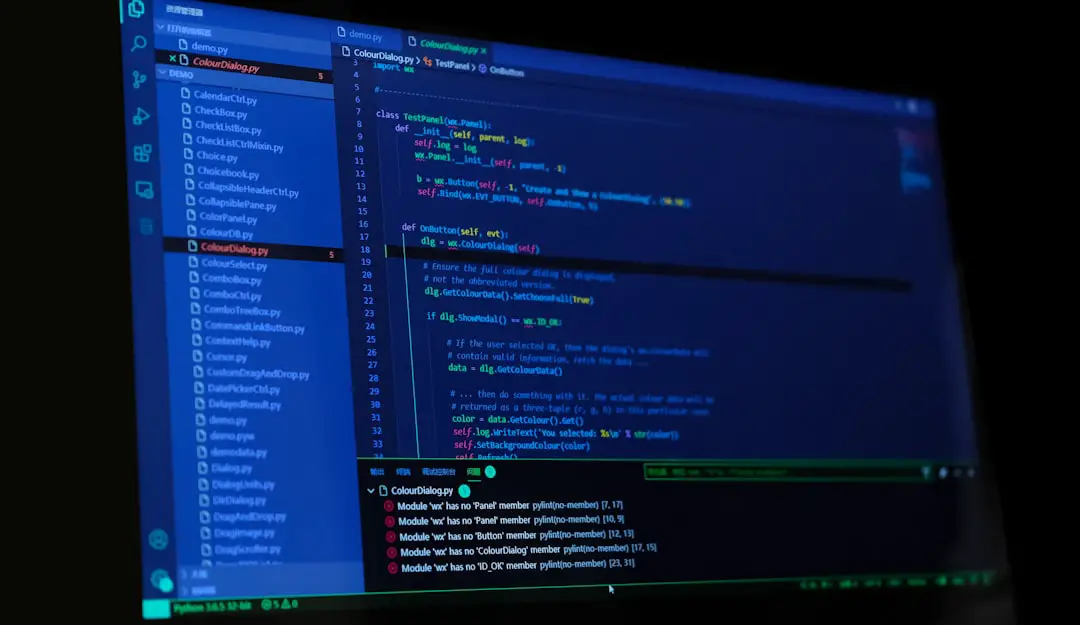
Git-based content management systems have quietly transformed how modern startups build and maintain digital experiences. Instead of relying on traditional monolithic CMS platforms, teams are increasingly managing content directly in Git repositories, embracing version control, developer workflows, and static site generators. While TinaCMS has emerged as a notable player in this space, it’s far from the only option. Startups seeking flexibility, scalability, or different editorial experiences are exploring a range of compelling alternatives.
TLDR: Startups looking beyond TinaCMS for Git-based content systems have strong alternatives such as Netlify CMS, Decap CMS, Sanity, Contentful, Strapi, and CloudCannon. Each offers different trade-offs in usability, customization, hosting flexibility, and developer control. Choosing the right platform depends on whether your priority is open-source flexibility, real-time collaboration, enterprise-grade APIs, or static site simplicity. Understanding these differences can help teams select a CMS that scales with their product vision.
Before diving into the platforms, it’s important to understand why startups are exploring alternatives in the first place. Git-based CMS platforms appeal to early-stage companies because they:
- Reduce infrastructure complexity
- Support static site generators like Next.js, Gatsby, Astro, and Hugo
- Offer version control and audit trails natively
- Enhance developer collaboration within familiar Git workflows
However, each product team has unique needs—ranging from markdown-based blogs to complex multi-language SaaS documentation portals. Let’s explore several platforms startups commonly examine instead of TinaCMS.
1. Decap CMS (Formerly Netlify CMS)
Decap CMS is one of the most popular open-source Git-based content systems. Originally developed by Netlify, it remains a go-to choice for teams building static sites.
Why startups like it:
- Fully open source
- Works with GitHub, GitLab, and Bitbucket
- No proprietary backend required
- Easy integration with static site generators
Its core strength lies in simplicity. Content is stored directly in the repository, usually as markdown or JSON files. Editors access a clean UI that commits changes straight back to Git.
However, compared to TinaCMS’s real-time visual editing experience, Decap CMS can feel more form-based and less dynamic. For developer-focused teams that want maximum Git transparency, this trade-off is often acceptable.
2. Sanity
Sanity takes a slightly different approach. While it’s not purely Git-based in the traditional sense, it integrates smoothly with Git workflows and offers structured content APIs that startups love.
Standout features:
- Real-time collaborative editing
- Customizable content studio
- Powerful GROQ query language
- Scalable hosted infrastructure
Sanity appeals to startups building content-heavy applications, marketplaces, or SaaS dashboards where structured data matters more than markdown simplicity. Rather than committing content directly to Git, Sanity acts as a content layer that integrates cleanly into CI/CD pipelines.
For teams outgrowing flat-file content, Sanity provides flexibility without losing developer control.
3. Contentful
Contentful is often considered an enterprise-grade headless CMS, but startups frequently choose it for its reliability and powerful APIs.
Key benefits:
- Robust REST and GraphQL APIs
- Role-based content permissions
- Global CDN infrastructure
- Localization support
Unlike TinaCMS and Decap CMS, Contentful does not commit content directly to a Git repository. However, many startups use Git for code and rely on Contentful purely for structured content delivery.
The main trade-off is cost. As usage scales, Contentful can become expensive, but it often justifies this with enterprise-level performance and tooling.
4. Strapi
Strapi is an open-source headless CMS that startups explore for its combination of flexibility and control. Unlike fully managed SaaS platforms, Strapi can be self-hosted.
Why Strapi stands out:
- Open-source and customizable
- Self-hosted or cloud-hosted options
- Plugin ecosystem
- Fine-grained API control
While Strapi is database-driven rather than Git-native, many startups integrate it into Git-managed projects and CI/CD pipelines. It works particularly well for applications that require complex user roles, APIs, or database relationships.
For technical founders who want maximum backend flexibility, Strapi can feel more powerful than TinaCMS.
5. CloudCannon
CloudCannon specializes in Git-based workflows and is especially popular among agencies and JAMstack startups.
Highlights:
- Visual editing for static sites
- Built-in Git syncing
- Team collaboration tools
- Strong support for Hugo and Jekyll
CloudCannon delivers a visual editing experience that competes closely with TinaCMS, but with added emphasis on hosting integration and team workflows. It’s particularly attractive to startups that prioritize content marketers over developers.
6. Directus
Directus is a modern open-source data platform that wraps around any SQL database and provides a powerful content API layer.
What makes it appealing:
- Database-first architecture
- Instant REST and GraphQL APIs
- Highly customizable admin app
- Self-hosted option
Although not directly Git-based, Directus integrates seamlessly into Git-driven development processes. It appeals to startups building data-heavy SaaS platforms where content is deeply relational.
Comparison Chart
| Platform | Git Native | Open Source | Hosted Option | Best For |
|---|---|---|---|---|
| Decap CMS | Yes | Yes | No (self-managed) | Static sites and blogs |
| Sanity | No (API-based) | Partial | Yes | Structured content apps |
| Contentful | No | No | Yes | Enterprise SaaS and global sites |
| Strapi | No | Yes | Yes | Custom APIs and SaaS platforms |
| CloudCannon | Yes | No | Yes | Marketing-driven startups |
| Directus | No | Yes | Yes | Data-focused applications |
How Startups Decide
Choosing the right Git-based or headless CMS alternative depends on several factors:
- Team composition: Developer-heavy teams often prefer lightweight Git-native solutions.
- Content complexity: Structured, relational content may demand API-first platforms.
- Growth expectations: Rapid scaling may require hosted infrastructure.
- Budget constraints: Open-source tools help conserve early-stage capital.
Many early startups start with Git-native solutions like Decap CMS because they minimize cost and complexity. As products mature, teams may migrate to more structured platforms like Sanity or Contentful.
Emerging Trends in Git-Based Content Systems
The landscape continues to evolve. Several trends are influencing startup decisions:
1. Hybrid CMS models
Platforms increasingly combine Git synchronization with API-based databases, offering both flexibility and performance.
2. Visual editing demand
Marketing teams expect real-time previews, drag-and-drop blocks, and inline edits.
3. DevOps integration
Startups want seamless connections between CMS updates and CI/CD pipelines.
4. AI-assisted content workflows
Modern CMS tools are beginning to incorporate AI suggestions, summaries, and automated tagging.
These trends push startups to look beyond a single solution and instead evaluate long-term adaptability.
Final Thoughts
TinaCMS remains a strong contender in the Git-based CMS ecosystem, especially for teams seeking inline editing within React applications. However, it’s not universally ideal. Startups regularly explore alternatives to better align with their workflow, growth plans, and technical architecture.
For teams that value pure Git simplicity, Decap CMS remains compelling. For structured and collaborative content at scale, Sanity and Contentful shine. Startups craving backend flexibility may gravitate toward Strapi or Directus, while marketing-heavy teams often appreciate CloudCannon.
The real takeaway isn’t which platform is objectively “best”—it’s which platform fits your startup’s current stage and future ambitions. By evaluating Git integration, customization options, pricing models, and team needs, founders can choose a content system that evolves alongside their product.
In the fast-moving startup world, flexibility is everything. The right Git-based content system won’t just manage content—it will empower your team to ship faster, collaborate smarter, and scale confidently.