

Modern commerce is no longer a straight line from “buy” to “ship.” Orders now arrive from websites, marketplaces, social channels, retail stores, call centers, and wholesale portals. Order management solutions help businesses capture, route, fulfill, track, modify, and report on those orders without relying on scattered spreadsheets or manual updates.
TLDR: Order management platforms centralize orders, inventory, fulfillment, returns, and customer updates across multiple sales channels. For example, a retailer selling through its website, Amazon, and two stores could reduce overselling by syncing stock every few minutes instead of once per day. Businesses often see faster fulfillment, fewer support tickets, and better inventory accuracy; even a 10% reduction in shipping errors can meaningfully improve margins. The best platform depends on company size, sales channels, warehouse complexity, and integration needs.
Why Order Management Matters
An order management system, often called an OMS, acts as the operational center between sales, inventory, fulfillment, finance, and customer service. When it works well, customers receive accurate delivery dates, warehouse teams know what to pick, and managers can see what is selling in real time.
Without a reliable OMS, common problems appear quickly: duplicate orders, inventory mismatches, delayed shipments, fragmented customer data, and expensive rush corrections. As businesses grow, these problems become harder to fix manually. That is why platforms now focus on automation, omnichannel visibility, integrations, and analytics.
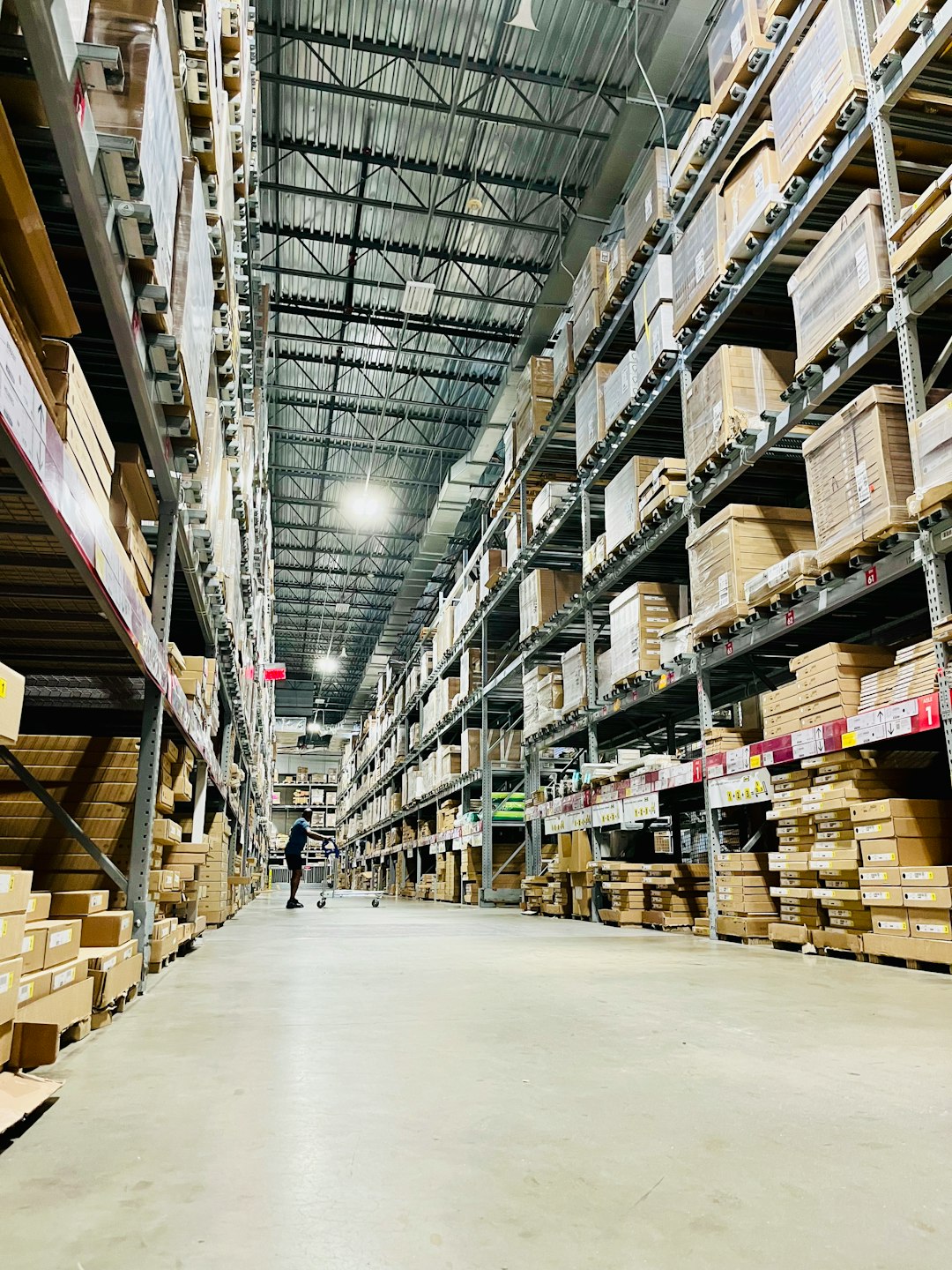
15 Order Management Platforms for Modern Businesses
-
Shopify Order Management
Shopify is a strong choice for small and midsize ecommerce brands that want a simple, integrated way to manage online orders, inventory, payments, shipping, and returns. Its ecosystem of apps makes it flexible, especially for brands selling direct to consumers.
-
BigCommerce
BigCommerce offers built-in order tools alongside strong multichannel selling features. It is useful for businesses that want to connect storefronts with marketplaces, payment providers, shipping services, and third-party inventory systems.
-
Adobe Commerce
Adobe Commerce is suited to larger retailers and B2B sellers that need customization. It supports complex catalogs, customer-specific pricing, multiple stores, and integrations with ERP, CRM, and warehouse systems.
-
NetSuite Order Management
NetSuite provides order management within a broader cloud ERP. It is especially valuable when a business needs sales, inventory, accounting, purchasing, and fulfillment data in one system. Growing wholesalers, distributors, and manufacturers often consider it when operations become too complex for basic ecommerce tools.
-
Microsoft Dynamics 365 Supply Chain Management
Dynamics 365 is designed for businesses with advanced supply chain requirements. It supports inventory planning, warehouse operations, procurement, and order processing, making it a strong option for companies already using Microsoft’s business ecosystem.
-
SAP Commerce Cloud
SAP Commerce Cloud is popular among enterprise organizations with complicated product structures, global sales teams, and B2B ordering needs. It works best when connected to other SAP tools for finance, logistics, and customer data.
-
Oracle Fusion Cloud Order Management
Oracle’s platform focuses on intelligent order orchestration. It can route orders based on inventory location, delivery promises, customer priority, and business rules. This makes it useful for enterprises managing multiple warehouses, suppliers, and fulfillment partners.
-
Salesforce Order Management
Salesforce Order Management connects commerce, service, and customer relationship data. It is particularly appealing for companies that want service agents to see order status, returns, payments, and customer history in one place.
-
Manhattan Active Omni
Manhattan Active Omni is built for sophisticated omnichannel retail. It helps brands manage buy online pick up in store, ship from store, curbside pickup, returns, and inventory visibility across locations.
-
IBM Sterling Order Management
IBM Sterling is known for enterprise-grade order orchestration. It is designed to give businesses a real-time view of inventory and automate fulfillment decisions across warehouses, stores, distributors, and drop-shippers.
-
Fluent Commerce
Fluent Commerce offers a cloud-native OMS with strong flexibility for retailers. Its rule-based order routing helps teams decide whether to fulfill from a store, warehouse, or partner based on speed, cost, stock levels, and location.
-
commercetools
commercetools is a composable commerce platform rather than a traditional all-in-one OMS. It suits companies that want to build a modern, modular architecture using APIs, microservices, and custom workflows.
-
Linnworks
Linnworks is popular with marketplace sellers and online retailers that need to manage orders across Amazon, eBay, Walmart, Shopify, and other channels. It helps automate inventory syncing, shipping labels, and order routing.
-
Cin7
Cin7 combines inventory management, order management, purchasing, warehouse functions, and integrations. It is a practical option for product-based businesses that sell through ecommerce, wholesale, retail, and marketplace channels.
-
Odoo
Odoo provides modular business software, including sales, inventory, accounting, ecommerce, CRM, and manufacturing apps. Its order management capabilities are attractive to companies that want a customizable platform without immediately moving to a large enterprise system.

Key Features to Compare
Choosing an OMS is not only about brand recognition. The right system should match how your business actually operates. Before shortlisting vendors, compare platforms using these criteria:
- Channel coverage: Does it support your ecommerce store, marketplaces, retail locations, B2B portals, and social commerce channels?
- Inventory visibility: Can it show accurate stock across warehouses, stores, suppliers, and in-transit goods?
- Order routing: Can the system automatically choose the best fulfillment location based on cost, distance, speed, or availability?
- Returns management: Does it support exchanges, refunds, restocking, return labels, and customer notifications?
- Integration options: Can it connect with ERP, CRM, accounting, shipping, warehouse, and payment systems?
- Scalability: Will it handle holiday spikes, international expansion, multiple brands, or new sales channels?
- Reporting: Does it provide useful analytics on fulfillment speed, cancellation rates, stockouts, shipping costs, and order profitability?
How Different Businesses Should Choose
A small ecommerce brand may not need a complex enterprise OMS. It may get better value from Shopify, BigCommerce, Linnworks, Cin7, or Odoo, where setup is faster and daily workflows are easier to manage. The priority should be speed, usability, and marketplace connectivity.
A growing wholesale or manufacturing business often needs stronger inventory, purchasing, and accounting connections. In that case, NetSuite, Microsoft Dynamics 365, Odoo, or SAP may be more appropriate. These platforms are better suited to purchase orders, vendor management, multi-location stock, and financial controls.
Large retailers and global enterprises should focus on orchestration, resilience, and omnichannel fulfillment. Platforms such as IBM Sterling, Manhattan Active Omni, Oracle Fusion Cloud, Salesforce Order Management, and Fluent Commerce are built for this environment. They can support advanced scenarios like splitting one order across three fulfillment locations or prioritizing loyal customers during low-stock periods.

Common Mistakes to Avoid
One frequent mistake is choosing a platform based only on current needs. A system that works for 500 orders per month may struggle at 10,000 orders per month, especially if more warehouses or sales channels are added. Another mistake is underestimating implementation. Data migration, integration testing, staff training, and workflow redesign can be just as important as software features.
Businesses should also avoid over-customizing too early. Custom workflows can be powerful, but they may increase maintenance costs and slow future upgrades. Start with core processes, measure performance, and then customize where there is a clear operational benefit.
The Bottom Line
Order management solutions are now essential infrastructure for modern commerce. They reduce manual work, improve stock accuracy, speed up fulfillment, and give customers clearer communication after purchase. Whether a company chooses a lightweight ecommerce tool or an enterprise-grade orchestration platform, the goal is the same: make every order easier to sell, fulfill, track, and support.
The best OMS is not necessarily the biggest or most expensive. It is the one that fits your sales model, fulfillment network, team skills, and growth plans. Start by mapping your order journey from checkout to delivery, then choose the platform that removes the most friction from that path.