
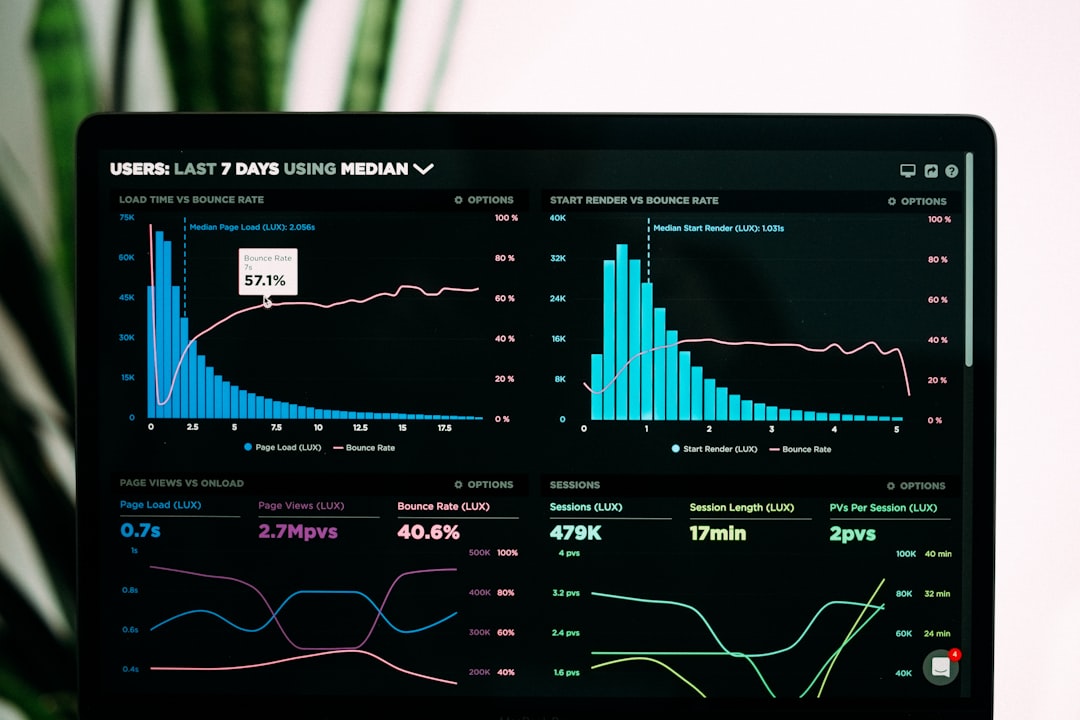
QR codes have evolved far beyond simple static links. Today, they are powerful gateways to detailed user insights, real-time engagement metrics, and measurable campaign performance. Businesses across retail, hospitality, logistics, education, and healthcare now rely on advanced QR code tracking and analytics platforms to understand customer behavior and optimize marketing strategies. Choosing the right tool is no longer optional—it is a strategic decision that directly impacts data accuracy, attribution clarity, and return on investment.
TLDR: Modern QR code tools provide far more than link redirection—they deliver detailed analytics, user behavior tracking, dynamic content management, and campaign attribution. The most powerful platforms combine real-time data, CRM integrations, geographic insights, and strong security controls. Businesses should prioritize dynamic QR capabilities, deep analytics dashboards, and scalable customization when choosing a solution. The right platform transforms QR codes into measurable marketing assets rather than static images.
The Strategic Importance of QR Code Analytics
Without analytics, QR codes are simply digital shortcuts. With comprehensive tracking, they become measurable touchpoints in a broader marketing ecosystem. Advanced QR tools help organizations answer critical questions:
- Who scanned the code?
- When and where did scans occur?
- What device was used?
- Did the scan convert into a purchase, signup, or download?
These insights allow businesses to refine campaigns, allocate marketing budgets more efficiently, and personalize follow-up communication. Modern QR platforms also enable A/B testing, retargeting, and CRM synchronization, transforming offline interactions into trackable digital events.

Core Capabilities of Powerful QR Code Tools
Before reviewing specific platforms, it is important to understand the key features that distinguish basic QR generators from professional-grade analytics tools.
1. Dynamic QR Code Management
Dynamic QR codes allow users to update the destination URL without changing the printed code. This flexibility is essential for long-term campaigns, packaging, and large-scale deployments.
2. Real-Time Analytics
Top-tier tools provide dashboards showing scans by time, location, device type, and referral source. Real-time monitoring supports quick optimization and campaign adjustments.
3. Geographic and Demographic Insights
Advanced platforms offer heat maps and region-based performance analysis. Some integrate with third-party data systems for deeper demographic profiling.
4. Integration Capabilities
Enterprises benefit from platforms that integrate with CRM systems, email marketing software, automation platforms, and analytics tools like Google Analytics.
5. Security and Access Control
Password protection, expiration dates, scan limits, and encrypted redirects are essential features for secure QR deployments.
Most Powerful QR Code Tools for Tracking and Analytics
Below are leading solutions recognized for their strength in tracking, data visualization, customization, and enterprise scalability.
1. QR Code Generator Pro
This platform is known for its enterprise-ready dynamic QR codes and deep analytics features. Users gain access to real-time data, device breakdowns, scan timestamps, and geographic metrics.
- Dynamic link editing
- Bulk QR code creation
- Custom branded short URLs
- Integration with Google Analytics
- Team access management
Best suited for: Marketing agencies and mid-to-large businesses managing multiple campaigns simultaneously.
2. Beaconstac
Beaconstac positions itself as a comprehensive proximity marketing platform. Its QR code analytics are detailed and especially valuable for retail and event environments.
- Scan time analysis
- Location-based insights
- Retargeting integration (Facebook Pixel, Google Ads)
- GDPR-compliant tracking
- Enterprise security protocols
Best suited for: Retail brands and enterprises requiring compliance and advanced retargeting capabilities.
3. Flowcode
Flowcode emphasizes performance tracking and creative campaign deployment. Its user-friendly analytics dashboard makes interpretation accessible without sacrificing depth.
- Real-time performance tracking
- Audience behavior insights
- Custom code designs
- Scan alerts and notifications
- Campaign comparison tools
Best suited for: Creative campaigns, live events, and influencer-driven marketing.
4. The QR Code Generator (by Bitly)
Leveraging Bitly’s link management expertise, this platform offers strong integration between shortened links and QR analytics.
- Link-level tracking
- Historical scan data
- Secure organization-level control
- Branded domains
- API access
Best suited for: Businesses already utilizing advanced link tracking through Bitly.
5. Scanova
Scanova is widely respected for its design flexibility paired with robust analytics. It supports diverse QR use cases including PDFs, app downloads, feedback forms, and menus.
- Detailed campaign statistics
- Editable dynamic codes
- Lead generation forms
- Password protection
- Time-based access control
Best suited for: Hospitality, packaging, and educational use cases requiring content security.

Comparison Chart of Leading QR Code Analytics Tools
| Platform | Dynamic Codes | Real-Time Analytics | CRM Integration | Retargeting Support | Enterprise Features |
|---|---|---|---|---|---|
| QR Code Generator Pro | Yes | Yes | Yes | Limited | Team Management |
| Beaconstac | Yes | Yes | Yes | Yes | GDPR Compliance |
| Flowcode | Yes | Yes | Partial | Limited | Scan Alerts |
| Bitly QR Codes | Yes | Yes | Yes | No | API Access |
| Scanova | Yes | Yes | Limited | No | Password Protection |
Advanced Tracking Features That Deliver Competitive Advantage
Beyond basic scan counts, elite QR code tools offer sophisticated tracking mechanisms that elevate data intelligence.
Scan Attribution Modeling
Some platforms allow businesses to assign campaign identifiers and UTM parameters automatically, ensuring accurate attribution across multi-channel campaigns.
Device and OS Tracking
Knowing whether scans originate from iOS or Android devices helps refine mobile optimization strategies.
Conversion Tracking
Integration with analytics and ad platforms enables full-funnel tracking—from scan to final action.
Heat Map Visualization
Geographic heat maps provide spatial intelligence for retail expansions and event performance measurement.

Security, Compliance, and Data Governance
As QR codes increasingly collect behavioral data, compliance considerations become critical. Leading tools incorporate:
- GDPR and CCPA compliance support
- Encrypted data storage
- Single sign-on (SSO)
- Multi-user permission levels
- Audit logs
Organizations operating in regulated industries such as healthcare or finance must prioritize enterprise-grade data protections when selecting a vendor.
How to Select the Right Platform
Choosing the best QR code analytics tool requires aligning business goals with platform strengths. Consider the following criteria:
- Campaign Volume: High-volume use cases demand bulk creation and management.
- Data Depth: Ensure required tracking granularity is available.
- Integration Ecosystem: Confirm compatibility with existing marketing systems.
- Scalability: Tools should grow alongside organizational expansion.
- Security Requirements: Evaluate encryption, authentication, and compliance capabilities.
Enterprise organizations should also evaluate API flexibility and support responsiveness.
The Future of QR Code Analytics
QR code technology continues to evolve. Emerging developments include AI-powered predictive modeling, enhanced personalization through behavioral data clustering, and deeper augmented reality integrations triggered by QR scans.
As offline and online channels continue to converge, QR code analytics will play a central role in bridging physical environments with digital intelligence systems. The most powerful platforms will not merely count scans but transform them into actionable strategic insights.
Conclusion
QR codes are no longer simple access tools; they are measurable engagement assets capable of delivering granular, real-time business intelligence. The strongest platforms combine dynamic flexibility, deep analytics, secure data management, and seamless integrations. Whether deployed in retail, packaging, healthcare, education, or global marketing campaigns, QR codes—when powered by robust tracking tools—provide a clear line of sight from physical interaction to digital conversion.
For organizations serious about performance measurement and strategic growth, investing in a powerful QR code analytics platform is not optional—it is essential.