

A strong marketing meeting can either accelerate a campaign or quietly drain an afternoon. The difference often comes down to structure. A marketing agenda template gives teams a repeatable framework for discussing goals, reviewing performance, assigning responsibilities, and making decisions without wandering into unrelated territory. Whether you manage a startup growth team, an agency client account, or an in-house brand department, a clear agenda turns scattered updates into focused action.
TLDR: A marketing agenda template helps teams run productive, organized meetings by outlining discussion topics, priorities, owners, and next steps. It keeps campaigns aligned with business goals and prevents meetings from becoming unfocused status updates. The best templates include performance reviews, campaign planning, budget checks, creative feedback, and action items. Use one consistently, but adapt it to the type of meeting and the urgency of your marketing priorities.
What Is a Marketing Agenda Template?
A marketing agenda template is a pre-structured document used to plan and guide marketing meetings. It lists the topics to be covered, the order in which they will be discussed, the people responsible for each section, and the amount of time allocated to each item. Instead of starting every meeting from scratch, teams can use the template as a dependable roadmap.
At its simplest, the template might include campaign updates and next steps. In a more advanced setting, it may cover analytics, audience insights, paid media performance, content calendars, lead generation, brand positioning, competitor activity, and budget allocation. The goal is not to make meetings more formal for the sake of formality. The goal is to create clarity, momentum, and accountability.

Why Marketing Teams Need an Agenda
Marketing is naturally cross-functional. Designers, writers, strategists, sales teams, analysts, product managers, and executives may all have a stake in the conversation. Without an agenda, meetings can quickly become a mix of opinions, loose updates, and unfinished decisions.
A well-designed agenda helps teams:
- Stay focused on the most important business and campaign priorities.
- Use time efficiently by assigning specific time blocks to each topic.
- Encourage preparation because attendees know what will be discussed in advance.
- Improve accountability by recording owners, deadlines, and next steps.
- Support better decisions by ensuring data, feedback, and objectives are reviewed together.
In short, a marketing agenda transforms a meeting from a casual conversation into a working session with a clear purpose.
Essential Sections of a Marketing Agenda Template
While every organization has different needs, most effective marketing agendas include a few core sections. These sections can be adjusted based on whether the meeting is weekly, monthly, campaign-specific, or strategic.
1. Meeting Details
Start with the basics: meeting title, date, time, location or video link, facilitator, note-taker, and attendees. This may seem obvious, but it keeps the document organized and easy to reference later.
2. Meeting Objective
Every agenda should answer one question: What should this meeting accomplish? The objective might be to approve a launch plan, review monthly performance, align on messaging, or identify campaign blockers. A clear objective prevents the discussion from drifting.
3. Performance Review
Marketing decisions should be guided by evidence. Include a section for reviewing key metrics such as website traffic, conversion rates, email engagement, social media reach, cost per lead, return on ad spend, pipeline contribution, or customer acquisition cost.
Keep this section concise. The purpose is not to read every report aloud, but to highlight what changed, why it matters, and what should happen next.
4. Current Campaign Updates
This section covers active campaigns, including progress, deadlines, creative production, distribution plans, and early results. It is useful to organize updates by campaign name, channel, or owner.
- Campaign name
- Status: not started, in progress, delayed, launched, completed
- Key achievements since the last meeting
- Risks or blockers
- Decisions needed from the team
5. Upcoming Campaign Planning
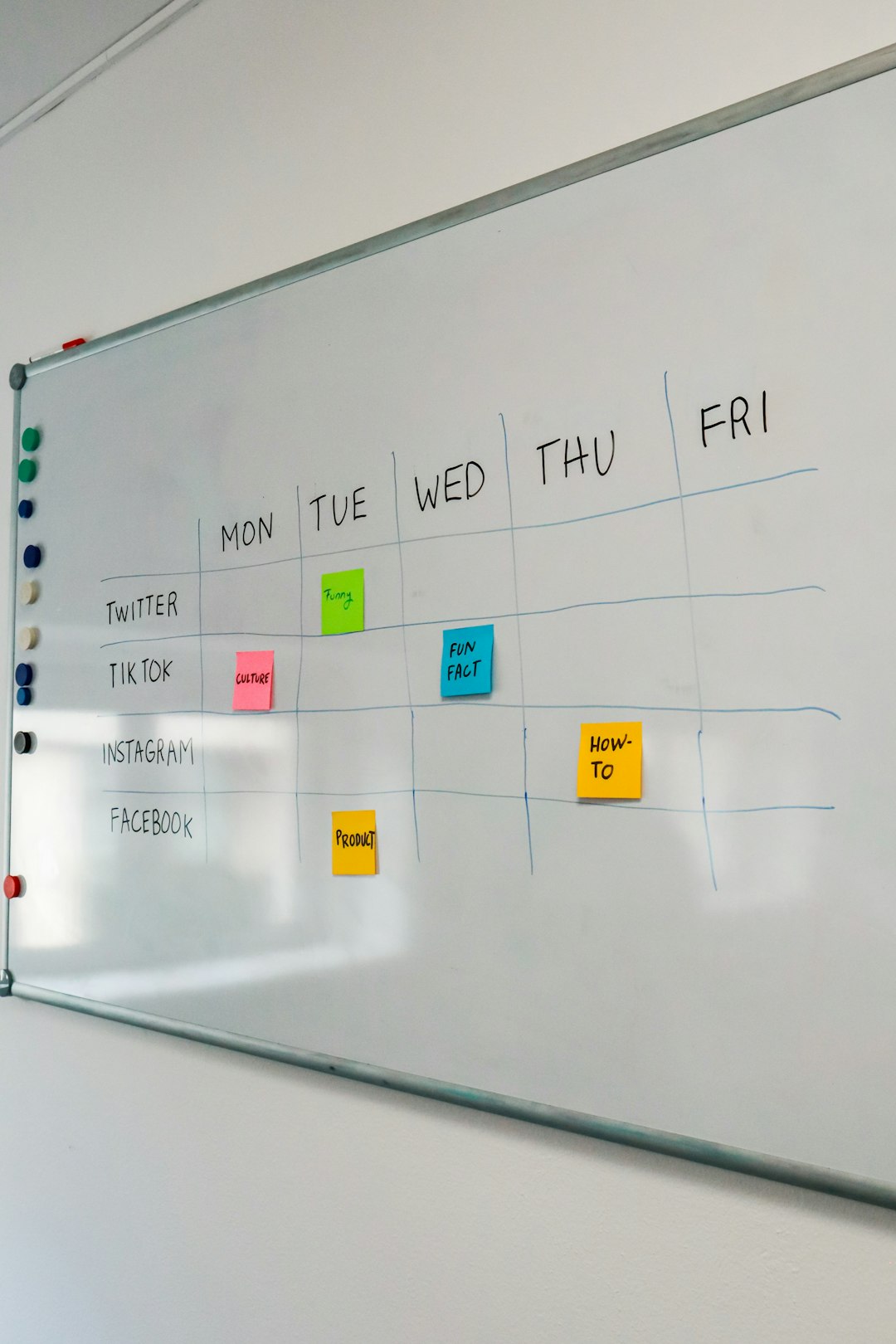
Marketing teams should not only look backward. A strong agenda creates room for what is coming next. This section may cover seasonal promotions, product launches, event marketing, content themes, partnership opportunities, or new audience segments.
6. Budget and Resource Check
Budgets influence nearly every marketing decision. Add a short budget review to discuss ad spend, vendor costs, software tools, freelancer needs, and available internal resources. This is especially important for teams managing multiple campaigns at once.
You do not need to turn every meeting into a finance review. However, a quick resource check helps prevent surprises such as overspending, underfunded channels, or missed opportunities because no one confirmed capacity.
7. Creative and Messaging Review
Marketing often depends on the quality of messaging and creative execution. Use this section to review campaign concepts, landing page copy, visual direction, email drafts, social assets, or ad variations. To keep the discussion useful, separate strategic feedback from personal preference.
For example, instead of saying, “I don’t like this headline,” encourage feedback such as, “This headline may not speak directly to the audience’s main pain point.” That keeps the conversation tied to objectives.
8. Action Items and Owners
The final section may be the most important. Every meeting should end with documented next steps. List each action item, the person responsible, the deadline, and any dependencies. This creates a simple record that can be reviewed at the next meeting.
Sample Marketing Agenda Template
Here is a practical template you can adapt for your own team:
- Meeting title: Weekly Marketing Team Meeting
- Date and time: Monday, 10:00 AM
- Objective: Review current campaign performance and confirm priorities for the week
- 1. Opening and priorities — 5 minutes
- 2. Metrics review — 10 minutes
- 3. Active campaign updates — 15 minutes
- 4. Content and creative review — 15 minutes
- 5. Paid media and channel updates — 10 minutes
- 6. Blockers and decisions needed — 10 minutes
- 7. Action items, owners, and deadlines — 5 minutes
This format works well for recurring meetings because it balances reporting, collaboration, and decision-making. For a longer monthly meeting, you might add sections for competitor analysis, customer insights, campaign retrospectives, and strategic planning.
How to Customize the Template
The best marketing agenda template is not necessarily the longest one. It is the one that fits the purpose of the meeting. A weekly content meeting, for instance, should focus on editorial priorities, production timelines, approvals, and distribution. A quarterly strategy meeting should focus on broader goals, market trends, budget allocation, and performance against targets.
Consider customizing your template based on these meeting types:
- Weekly marketing meeting: Short, tactical, and focused on immediate priorities.
- Campaign kickoff: Centered on goals, audience, messaging, roles, timeline, and success metrics.
- Performance review: Data-heavy, with insights, lessons learned, and optimization plans.
- Creative review: Focused on concepts, brand consistency, feedback, and approvals.
- Quarterly planning: Strategic, involving budget, positioning, goals, and major initiatives.

Tips for Running a Better Marketing Meeting
A template is only useful if the meeting is facilitated well. Send the agenda ahead of time so attendees can prepare. Attach reports, drafts, or campaign documents in advance instead of revealing them during the meeting. Assign a facilitator to keep the discussion moving and a note-taker to capture decisions.
It is also helpful to mark agenda items as informational, discussion-based, or decision-required. This tells participants how to engage. Not every item needs debate; some updates simply need visibility.
Finally, protect the last five minutes for action items. Many meetings lose value because people leave with different interpretations of what was decided. A quick recap of owners and deadlines makes execution much smoother.
Common Mistakes to Avoid
One common mistake is overloading the agenda. If every topic is urgent, nothing is truly prioritized. Another mistake is focusing only on updates instead of decisions. A marketing meeting should not be a live version of a project management board; it should create alignment and remove obstacles.
Teams should also avoid vague agenda items such as “social media” or “website.” Be specific: “Review Instagram campaign results” or “Approve homepage launch messaging.” Specificity encourages preparation and leads to better outcomes.
Final Thoughts
A marketing agenda template may look like a simple document, but it can significantly improve how a team works. It brings order to complex campaigns, gives everyone a shared understanding of priorities, and ensures that meetings lead to action rather than confusion. With the right structure, your marketing discussions become more focused, your decisions become clearer, and your campaigns become easier to manage.
Use the template as a living tool. Refine it as your team grows, your channels change, and your goals evolve. The more consistently you use it, the more valuable it becomes.