
Refrigerants are the lifeblood of modern HVAC and refrigeration systems. With rising global concerns over environmental impact and stricter regulations on refrigerant emissions, keeping refrigerants in-system has never been more critical. From ensuring proper tooling and high-performance sealing to investing in technology training, HVAC professionals must take a proactive approach to system integrity.
This article explores how the right tools, seals, and a solid foundation in technical training help maintain refrigerant containment, boost system efficiency, and ensure regulatory compliance.
Why Keeping Refrigerants Contained Matters
Leaks in refrigeration and air-conditioning systems can have serious consequences. Not only do they compromise system efficiency, but they also lead to:
- Environmental hazards due to ozone-depleting or greenhouse gas-emitting refrigerants
- Increased operating and energy costs
- System downtime and costly repairs
- Compliance issues with regional and global regulations like the EPA’s Section 608 or the European F-Gas Regulation
Preventing refrigerant leaks is no longer just a best practice — it’s a mandate. So what does it take to create a truly sealed and leak-proof refrigeration system?
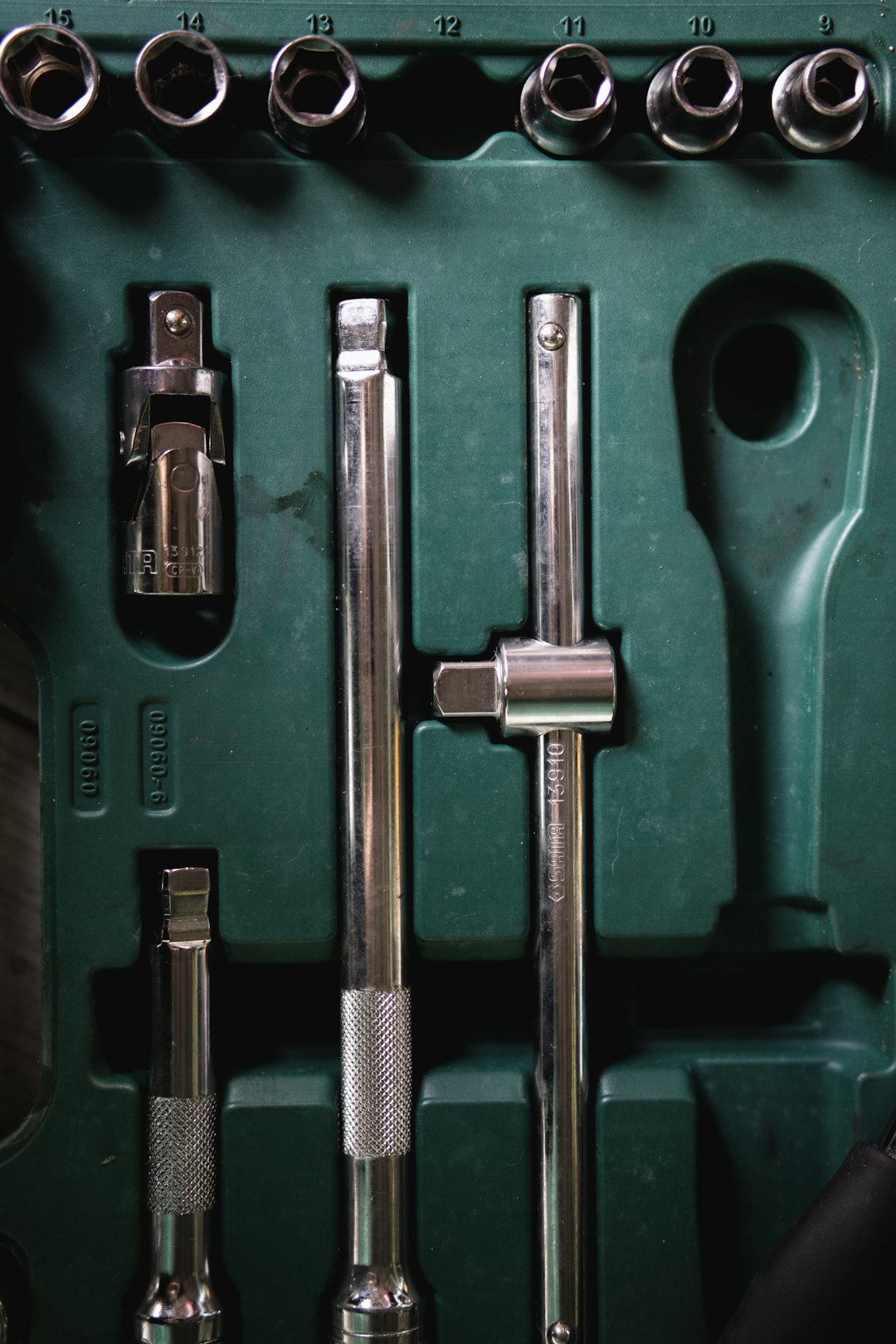
Precision Tooling: The First Line of Defense
The quality of any HVAC or refrigeration system starts with the tools used during installation and maintenance. Precision matters at every joint, fitting, and valve. Subpar tooling can result in microscopic leaks that may go unnoticed for months, slowly draining refrigerant and impacting performance over time.
Some essential tooling choices include:
1. Torque Wrenches
Proper torque ensures joints are neither too loose nor too tight. Over-tightening can warp fittings, while under-tightening often leads to leaks. Calibrated torque wrenches help achieve optimal tightness, especially in flare fittings and mechanical couplings.
2. Flaring and Swaging Tools
High-quality flaring tools are required for creating clean, uniform flare connections. Improperly shaped flares can create gas passageways, reducing pressure retention and leading to eventual leaks.
3. Leak Detectors
Electronic leak detectors, especially those capable of sensing low-GWP (Global Warming Potential) refrigerants like R-1234yf or R-744 (CO2), allow technicians to identify hidden leaks. UV dye detection and ultrasonic sensors are also valuable tools.
4. Vacuum Pumps and Micron Gauges
Evacuating air and moisture during installation is crucial. Using a vacuum pump paired with a micron gauge provides accurate measurement of system vacuum, ensuring contaminants are eliminated and leaks are identified before charging the refrigerant.
Seals and Fittings: The Unsung Heroes
No matter how skilled the technician, the components they use are only as effective as their design allows. Seals, O-rings, gaskets, and fittings are the mechanical endpoints where refrigerants are most likely to escape. Recent advancements in seal technology are helping improve system integrity with more reliable and durable solutions.
Material Matters
Seals must be compatible with the specific refrigerant in use. For example, traditional elastomers like Neoprene often degrade with HFO refrigerants. Today’s systems employ advanced materials like HNBR (Hydrogenated Nitrile Butadiene Rubber) or PTFE, which offer superior chemical and temperature resistance.
Smart Fittings
Compression and mechanical fittings that feature integrated sealing technology, such as O-ring face seals, significantly reduce the chance of leakage. Some systems now use quick-connect fittings that are not only leak-proof but also designed for fast installation and maintenance — reducing technician error and boost efficiency.
Braze-Free Systems
While brazing has long been used to create permanent joints, it introduces variability based on technician skill and requires open flame — a safety risk. Press-fit and mechanical fittings remove this variable by providing consistent joins without heat, reducing the chance of leaks or contamination.

Technical Training: Bridging Skill and System Integrity
Tooling and component innovations are only as effective as the professionals who use them. Technical training is essential not only to understand how these products function but also to stay compliant with evolving refrigerant legislation.
Training starts with understanding refrigerant properties. For example, HFOs are often more flammable than legacy refrigerants. CO2 systems operate at significantly higher pressures. Knowing these differences determines how technicians should approach system design, charging, and maintenance.
Must-Have Skills for Today’s Technicians
- Leak Detection and Repair (LDAR): Regular inspections using modern detection tools and following correct protocols are critical for keeping systems sealed.
- Refrigerant Handling and Recovery: Minimizing losses during charging and evacuating systems require advanced tools and trained hands.
- System Diagnostics: Be it subcooling values, oil carryover, or superheat measurements, understanding system behavior allows early detection of potential leaks or inefficiencies.
Technicians must also keep up with certification and licensing needs. EPA Section 608 in the U.S., for instance, mandates certification for anyone handling refrigerants. Many program providers also offer specialized courses on low-GWP and natural refrigerants.
Online training platforms, virtual simulations, and even augmented reality (AR) tools are becoming staples in technician development. These not only improve access to quality education but also enable immersive learning experiences that sharpen real-world skills.
Industry Innovation: Smarter Systems for a Leak-Free Future
The future of HVAC and refrigeration includes widespread implementation of smart systems that can self-diagnose and alert users to potential leaks or pressure imbalances. Incorporating IoT (Internet of Things) technology with sensors embedded in seals, valves, or along the piping can lead to preemptive leak prevention strategies.
Manufacturers are also exploring self-healing seals made from nano-coating materials and shape memory alloys that automatically form leak-tight closures under pressure fluctuations. Some next-gen systems already integrate predictive analytics powered by machine learning to identify wear and tear before it turns into a leak.
Conclusion: A Cartel of Best Practices
Keeping refrigerants in-system doesn’t rely on a single solution. It takes a collaborative arsenal of best practices between manufacturers, service providers, and technicians. Start with high-quality tooling that allows precise, repeatable work. Combine that with durable seals and fittings to create leak-proof components and consistently review and upgrade technical knowledge to stay ahead of code changes and equipment innovation.
As refrigerants become more specialized and regulations more stringent, the margin for error is shrinking. It’s time for HVAC professionals to embrace this shift. Not only will this ensure operational success, but more importantly, it moves the industry toward a greener and more sustainable tomorrow.
Don’t view leak prevention as a chore — see it as a competitive edge. Because in the world of refrigeration, what stays inside is what keeps systems (and businesses) running strong.