

In the ever-changing landscape of digital marketing, crafting SEO-friendly blog content that ranks well on Google in 2025 is both an art and a science. As Google’s algorithms evolve, so do best practices for ranking on the first page of search results. Whether you’re a content strategist, blogger, or marketer, understanding how to optimize your content is essential for visibility, traffic, and ultimately, profitability.
Why SEO-Friendly Blog Content Still Matters
Search engines are the primary gateway to much of the web’s traffic. Regardless of your niche or expertise, organic search remains one of the most effective long-term sources of inbound marketing traffic. Ranking higher on Google means more visibility, increased trust, and greater authority within your industry.
With the rise of AI-generated content and voice search, Google’s algorithm in 2025 is becoming more sophisticated at identifying helpful, in-depth, and well-structured content. If you want your blog posts to stand out and earn a spot on the first page of results, you’ll need to focus on more than just keyword stuffing or meta tags.
1. Understand Search Intent
Gone are the days when simply using the right keywords could guarantee a top spot. Google’s algorithm now prioritizes search intent—what users are really looking to find when they search a term.
For each blog topic, ask yourself:
- Is this a navigational, informational, commercial, or transactional search?
- Does the content I provide align with what users are expecting?
- Am I offering comprehensive answers or just scratching the surface?
Use tools like Google’s “People Also Ask,” Search Console, or third-party platforms like SEMrush and Ahrefs to evaluate what kinds of content are ranking for your target keywords and match that level of depth and user engagement.
2. Perform Keyword Research with Intent in Mind
Keyword research is still critical, but it requires more intelligence in 2025 than ever before. Instead of just focusing on high-volume terms, look for long-tail keywords and semantic variations that indicate genuine interest and user intent.
Best practices for keyword research include:
- Using tools like Google Keyword Planner, AnswerThePublic, or Clearscope
- Analyzing your competitors’ top-ranking content
- Focusing on topic clusters instead of single keywords
- Identifying user problems and building content around solutions
Remember, Google can now better understand context and synonyms. So write naturally and strategically, including related terms that support your main topic.
3. Optimize On-Page Elements for SEO
While content quality is paramount, technical SEO and on-page optimization still play a big role in ranking.
Key on-page components to optimize include:
- Title Tag: Include your primary keyword, ideally at the beginning.
- Meta Description: Summarize your post in an engaging way to increase CTR (click-through rate).
- Header Tags (H1, H2, H3): Structure your content for readability and use keywords where appropriate.
- URL Structure: Short, clean, and keyword-inclusive URLs work best.
Don’t forget to add alt text to images for accessibility and SEO. It’s a small detail that matters more each year.

4. Create High-Quality, Original, and Helpful Content
Google’s Helpful Content Update, rolled out in stages leading up to 2025, continually emphasizes rewarding content that is written by people, for people. This change has redefined what it means to be “SEO-friendly.”
Here’s how to meet Google’s standards for helpful content:
- Be original: Don’t copy what your competitors are doing. Add unique value only you can provide.
- Be clear and comprehensive: Answer potential questions users may have before and after their initial query.
- Use data and credible sources: Stats, studies, and research enhance trustworthiness.
- Write for humans first: Avoid keyword stuffing and robotic tone. Instead, create readable, engaging content.
Ask yourself: Does my content solve a specific problem or provide a clear benefit to the reader? If not, it may not rank—or stay ranked—for long.
5. Improve Page Experience and Core Web Vitals
In 2025, user experience is inseparable from SEO. Google’s Core Web Vitals—metrics that measure loading speed, interactivity, and visual stability—are now fundamental ranking factors.
Consider the following site-wide optimizations:
- Fast loading times (under 3 seconds)
- Mobile responsiveness
- Low bounce rates
- Optimized image sizes and lazy loading
- Secure (HTTPS) hosting
A fast, mobile-friendly blog that is visually appealing and easy to navigate will not only perform better in search but also convert more visitors into loyal readers or customers.
6. Leverage Structured Data and Schema Markup
Structured data helps search engines better understand your content and present it in rich snippets. By applying Schema.org markup, you improve your chances of appearing in featured snippets, knowledge panels, and other enhanced SERP displays.
Popular types of structured data for blogs include:
- Article schema
- FAQ schema
- Breadcrumb schema
- Author and organization markup
Use tools like Google’s Rich Results Test and Schema Markup Validator to ensure your structured data is correctly implemented.
7. Promote and Update Your Content
SEO isn’t a “set-it-and-forget-it” strategy. Once your post is published, you need to promote it and keep it fresh to maintain and improve your rankings.
Promotion tips:
- Share content on social platforms and targeted communities
- Email it to your subscriber list
- Reach out to industry influencers or websites for backlinks
Update tips:
- Regularly revisit older posts to update statistics and facts
- Improve UX and formatting for readability
- Add new sections or FAQs based on evolving user search behavior
Refreshing your content signals to Google that it remains relevant and accurate—two key attributes of top-performing content in 2025.
8. Measure Success With the Right Analytics
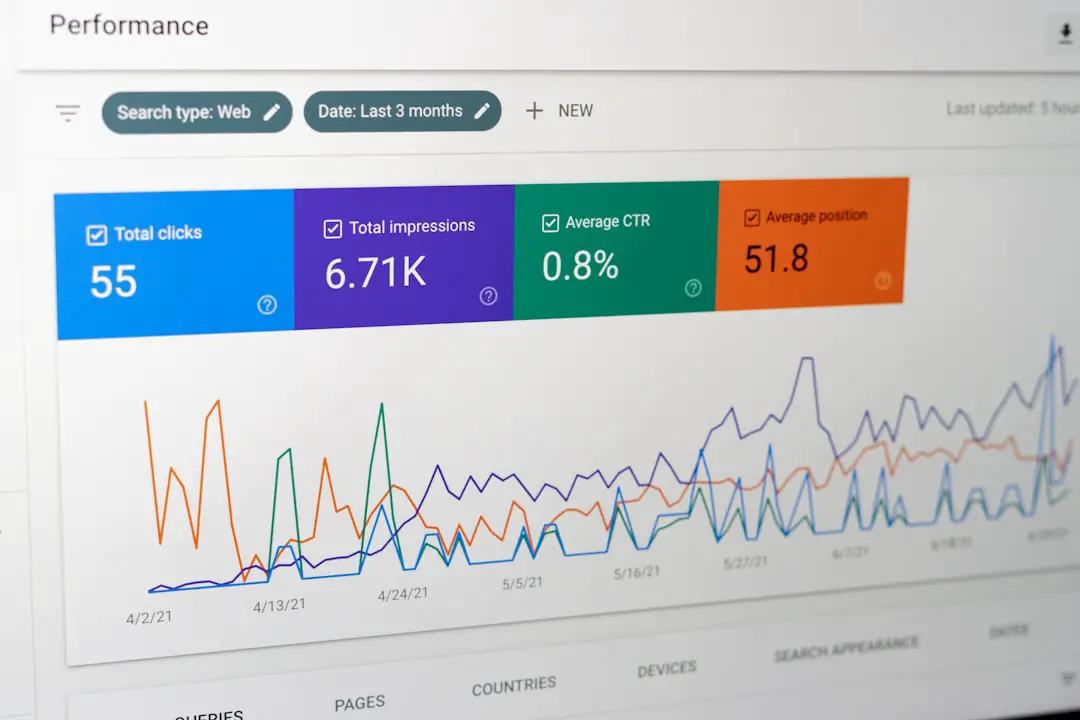
Tracking performance is crucial to understanding what’s working and what needs improvement. Use a combination of tools like:
- Google Analytics 4 (GA4)
- Google Search Console
- Heatmap and session replay tools like Hotjar
Look for metrics such as:
- Organic traffic growth
- Average time on page
- Bounce rate and exit rate
- Conversion goals and click-through rates
These KPIs will help you make data-driven decisions to systematically improve the effectiveness of your blog content strategy.
Final Thoughts
Writing SEO-friendly blog content that ranks on Google in 2025 means balancing technical precision with human-centered storytelling. It requires attention to search intent, intelligent keyword research, content quality, technical optimization, and consistent evaluation.
By following the practices outlined in this guide, you’ll not only improve your rankings but also provide real value to your audience—earning both their trust and the search engine’s favor.
In a world where AI and automation are increasingly prevalent, remember: the blogs that rise to the top will be the ones that genuinely help people solve problems, learn new things, and make informed decisions. SEO is just the means—value is the end.