
In today’s hyper-visual digital world, appearance plays a powerful role in dating, social media, professional branding, and self-confidence. “Looksmaxing” — the practice of maximizing one’s physical attractiveness — has evolved from basic grooming advice to a data-driven, AI-assisted optimization process. With artificial intelligence tools now capable of analyzing facial symmetry, skin condition, body proportions, and styling choices, anyone can build a personalized improvement roadmap rooted in objective feedback rather than guesswork.
TLDR: AI can help optimize appearance by analyzing facial features, skin, body composition, grooming, and style choices. The process involves uploading photos, reviewing AI feedback, improving grooming and skincare, refining fashion, optimizing fitness, and tracking progress over time. With the right tools and consistency, AI turns looksmaxing into a structured, measurable self-improvement system. It is most effective when combined with healthy habits and realistic expectations.
What Is AI Looksmaxing?
AI looksmaxing is the use of artificial intelligence tools to analyze, evaluate, and improve physical appearance. Instead of relying solely on subjective opinions, individuals use algorithms trained on facial symmetry, proportions, skin clarity, and aesthetic standards to receive targeted improvement suggestions.
This approach removes emotional bias and provides:
- Objective feedback
- Custom style recommendations
- Skin and grooming analysis
- Fitness and body composition guidance
- Progress tracking over time
The result is a measurable roadmap toward improved aesthetics and self-presentation.
Step 1: Start with High-Quality Photos
The foundation of AI looksmaxing is accurate image input. Poor lighting and awkward angles distort results, leading to misleading recommendations.
Best practices:
- Use natural, even lighting
- Face the camera directly (neutral expression)
- Take front and side profile shots
- Avoid filters or heavy shadows
- Use a clean background
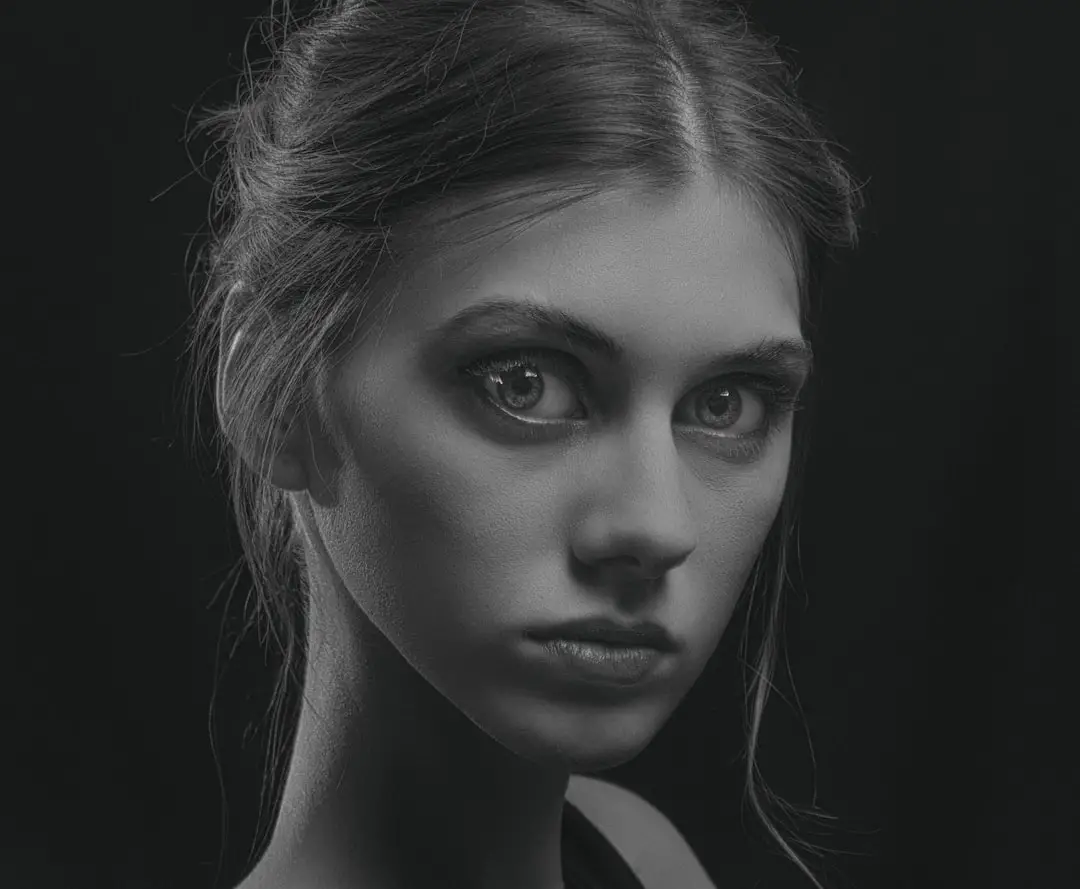
These images are then uploaded into facial analysis tools to assess symmetry, facial thirds, jawline sharpness, eye spacing, and other measurable traits.
Step 2: Analyze Facial Structure with AI
Modern AI tools can evaluate proportions based on classical aesthetic ratios such as the Golden Ratio and facial harmony metrics.
Common metrics analyzed include:
- Facial symmetry score
- Canvas ratio (face height to width)
- Jawline definition
- Nose-to-chin proportion
- Eye spacing and tilt
The goal is not perfection but understanding strengths and weaknesses. For example:
- If the jaw appears soft → focus on body fat reduction or grooming changes.
- If facial thirds are uneven → hairstyle adjustments may rebalance proportions.
- If under-eye shadows are prominent → skincare and sleep optimization may help.
This step generates a facial improvement blueprint.
Step 3: Skin Optimization Using AI Skin Scanners
Clear skin dramatically increases perceived attractiveness. AI skin analysis apps can detect:
- Acne severity
- Hyperpigmentation
- Wrinkles
- Pore size
- Oil imbalance
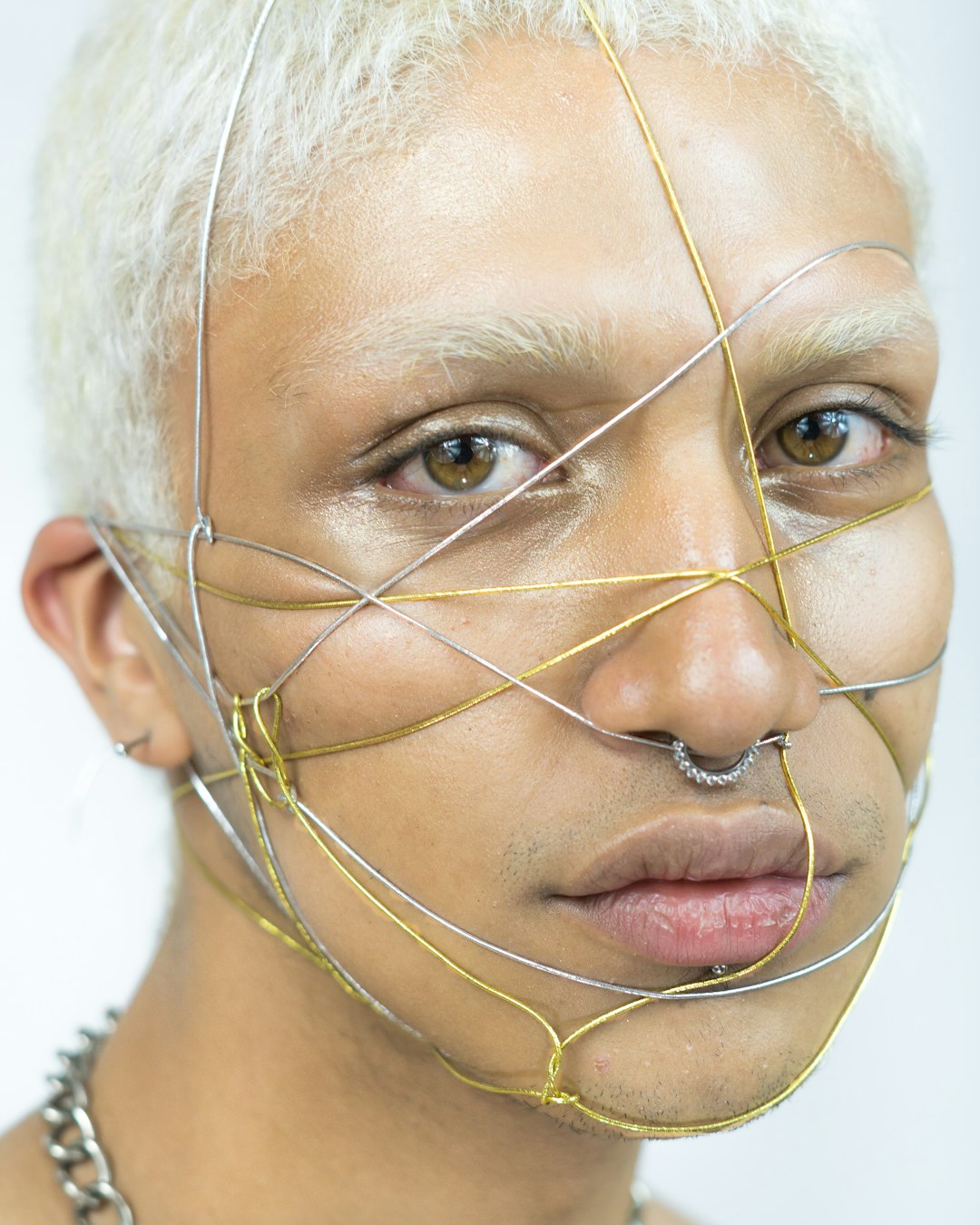
After analysis, users receive product and routine recommendations. A typical AI-optimized routine includes:
- Gentle cleanser (morning and night)
- Targeted treatment (retinol or salicylic acid)
- Moisturizer suited to skin type
- Sunscreen SPF 30+ daily
Tracking skin progress through monthly photo comparisons allows objective monitoring of improvement.
Step 4: Hairstyle and Grooming Simulation
Hair and grooming can dramatically reshape facial perception. AI hairstyle simulators allow users to test:
- Different hair lengths
- Fade vs. taper cuts
- Long vs. short styles
- Beard vs. clean-shaven
- Eyebrow adjustments
This prevents costly haircut mistakes and identifies styles that enhance symmetry or elongate the face.
For example:
- Round faces benefit from volume on top.
- Long faces benefit from side volume.
- Weak chins may benefit from structured beards.
Step 5: Optimize Body Composition
Facial attractiveness improves significantly when body fat percentage enters a healthy range. AI fitness apps estimate body fat, muscle mass, and posture imbalances.
Common AI fitness recommendations include:
- Strength training 3–4x per week
- High-protein nutrition plans
- Posture correction routines
- Calorie tracking with predictive adjustments
Even a small reduction in facial fat can dramatically sharpen jawline definition and cheekbone visibility.
Step 6: AI-Powered Fashion and Color Analysis
Clothing style maximizes attractiveness by framing the body properly. AI color analysis tools determine whether someone suits warm, cool, deep, or soft palettes.
Additionally, AI stylists analyze:
- Body proportions
- Shoulder width relative to waist
- Torso-to-leg ratio
- Best clothing cuts (slim, oversized, structured)
Key upgrades often recommended:
- Tailored fits over baggy clothing
- Neutral outerwear basics
- Layering for structure
- Footwear upgrades
Popular AI Looksmaxing Tools Comparison
| Tool Type | Main Function | Best For | Limitations |
|---|---|---|---|
| Facial Analysis Apps | Symmetry and ratio scoring | Objective facial feedback | May oversimplify beauty |
| Skin Scanner Apps | Detect skin issues | Skincare improvements | Lighting affects accuracy |
| Hairstyle Simulators | Virtual hair testing | Testing cuts before barber | Not always realistic texture |
| Fitness AI Apps | Body fat and workout plans | Physique improvement | Requires consistent input |
| AI Styling Assistants | Outfit recommendations | Wardrobe upgrades | Trends may vary regionally |
Step 7: Track Progress Like Data
The true power of AI looksmaxing lies in consistent tracking. Individuals should:
- Retake standardized photos monthly
- Track body weight and body fat percentage
- Document skincare changes
- Adjust routines based on feedback
This turns looksmaxing into a measurable transformation process rather than random experimentation.
Psychological Considerations
While AI provides structured advice, mental health remains essential. Looksmaxing should focus on:
- Self-improvement, not obsession
- Health-first upgrades
- Confidence building
- Realistic standards
AI ratings should be interpreted as guidelines — not verdicts on worth.
Common Mistakes to Avoid
- Over-analyzing minor asymmetries
- Switching routines too quickly
- Ignoring sleep and hydration
- Relying only on digital improvements (filters, edits)
- Chasing unrealistic beauty ideals
Progress comes from sustainable upgrades stacked over months.
Final Thoughts
AI has transformed looksmaxing from forum advice and guesswork into a structured optimization system. By combining facial analysis, skincare AI, grooming simulation, fitness tracking, and styling assistance, individuals can systematically enhance their appearance.
The process works best when approached as data-backed self-improvement rather than insecurity-driven perfectionism. With consistency, patience, and health-first principles, AI becomes a powerful assistant in building a sharper, more confident presentation.
Frequently Asked Questions (FAQ)
1. Is AI facial analysis accurate?
AI facial analysis can provide useful proportion data, but beauty is subjective. It offers guidance, not absolute truth.
2. Can AI predict attractiveness ratings?
Some tools estimate attractiveness scores based on datasets, but real-world attractiveness includes personality, confidence, and social context.
3. How long does AI looksmaxing take to show results?
Skin improvements may show within weeks, while fitness and facial fat reduction often take 2–6 months.
4. Do I need multiple tools?
Not necessarily. One facial analysis tool, one skin tracker, and one fitness app are usually sufficient.
5. Is looksmaxing safe?
When focused on health, grooming, and fitness — yes. It becomes unhealthy if it leads to obsession or extreme measures.
6. Can AI recommend cosmetic procedures?
Some tools simulate cosmetic changes, but medical decisions should always involve licensed professionals.
7. Does symmetry matter most in attractiveness?
Symmetry plays a role, but facial harmony, grooming, body language, and confidence are equally important.
8. Is AI looksmaxing expensive?
Many apps offer free versions. The main investment is consistency and discipline rather than money.