
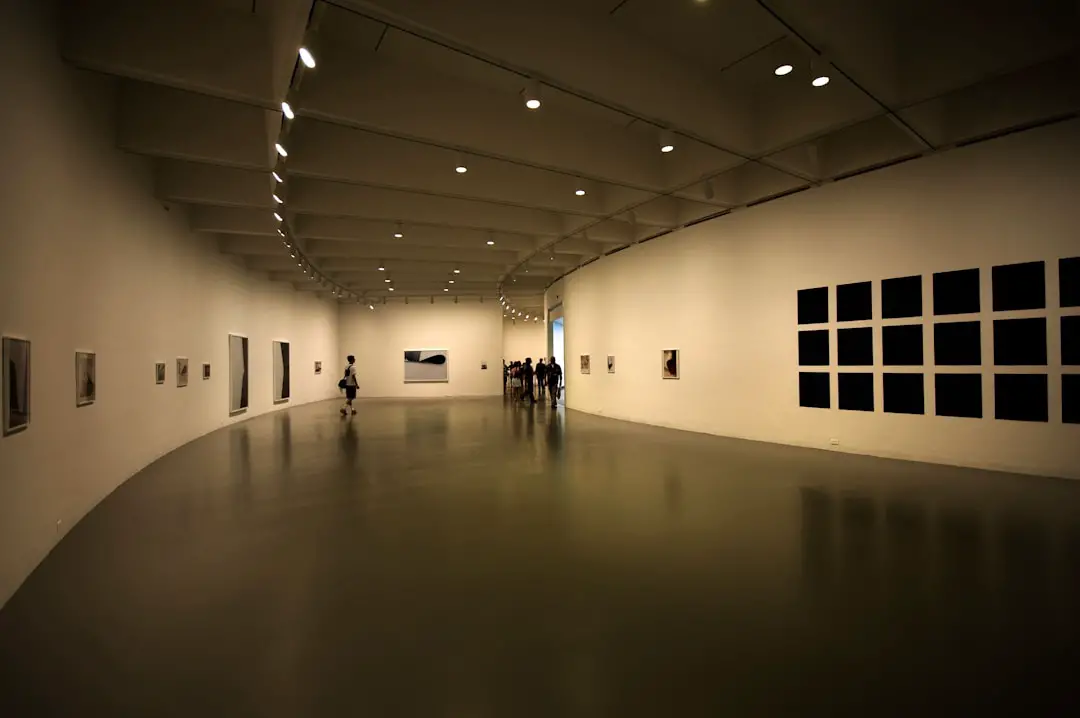
In the world of contemporary photography, few artists have reshaped the perception of visual storytelling quite like Wolfgang Tillmans. Known for his avant-garde approach, raw aesthetic, and willingness to test the boundaries of composition, Tillmans has inspired an entire generation of photographers. Whether he’s photographing a crumpled shirt or capturing the subtle curve of light slipping through a window, Tillmans’ ability to find beauty in the mundane is what truly sets his work apart. But how can a beginner emulate and learn from his editing style?
This guide will take you through actionable steps to help you edit your photos like Wolfgang Tillmans. While no two images—or artists—are the same, understanding his approach can enrich your own creative journey.
1. Understand Tillmans’ Philosophy
Tillmans doesn’t just take pictures—he experiences them. His photographs often embrace imperfections, asymmetry, and unconventional subjects. Before jumping into editing software, take a moment to reflect on the essence of your photo:
- What emotion does it evoke?
- Is it telling a story, or is it capturing a fleeting moment?
- Does it feel spontaneous and authentic?
This mindset is key when you start adjusting your images. Tillmans believes that every scratch, blur, or light leak can add character. Editing should amplify this authenticity rather than polish it away.
2. Liberate Your Composition
Traditional rules of photography, like the rule of thirds or golden ratio, are not commandments in Tillmans’ work. His most moving pieces are off-center, cropped unexpectedly, or feature asymmetrical framing.
As you edit, try experimenting with the crop tool. Ask yourself:
- Can the subject be pushed to one side to create tension?
- Would a tighter crop on a secondary object reveal a hidden story?
Don’t be afraid to make bold compositional choices.
3. Embrace Natural Light
Tillmans famously avoids heavy artificial lighting in favor of what’s naturally available. Because of this, his images brim with a warm, raw atmosphere. When editing your images, lean into natural textures and lighting rather than trying to erase or overpower them.
Here are some ways to do this during post-processing:
- Adjust white balance to match the mood you’re aiming for—warmer for intimacy, cooler for detachment.
- Lift shadows gently to maintain detail without eliminating contrast.
- Lower highlights slightly to maintain soft, diffuse lighting.
Light isn’t just a technical factor; it’s another subject in your photo.
4. Avoid Over-Editing
One of the most defining aspects of Wolfgang Tillmans’ visual language is restraint. He doesn’t over-process his images. Grain, softness, and even occasional blur are welcomed, not fixed.
When editing your photos:
- Avoid using overly powerful filters or presets.
- Resist the urge to correct every imperfection.
- Let spontaneous mistakes add personality to your image.
Editing software like Adobe Lightroom or Capture One can be incredibly powerful tools—but in the Tillmans spirit, use them with intention and subtlety.
5. Experiment with Color
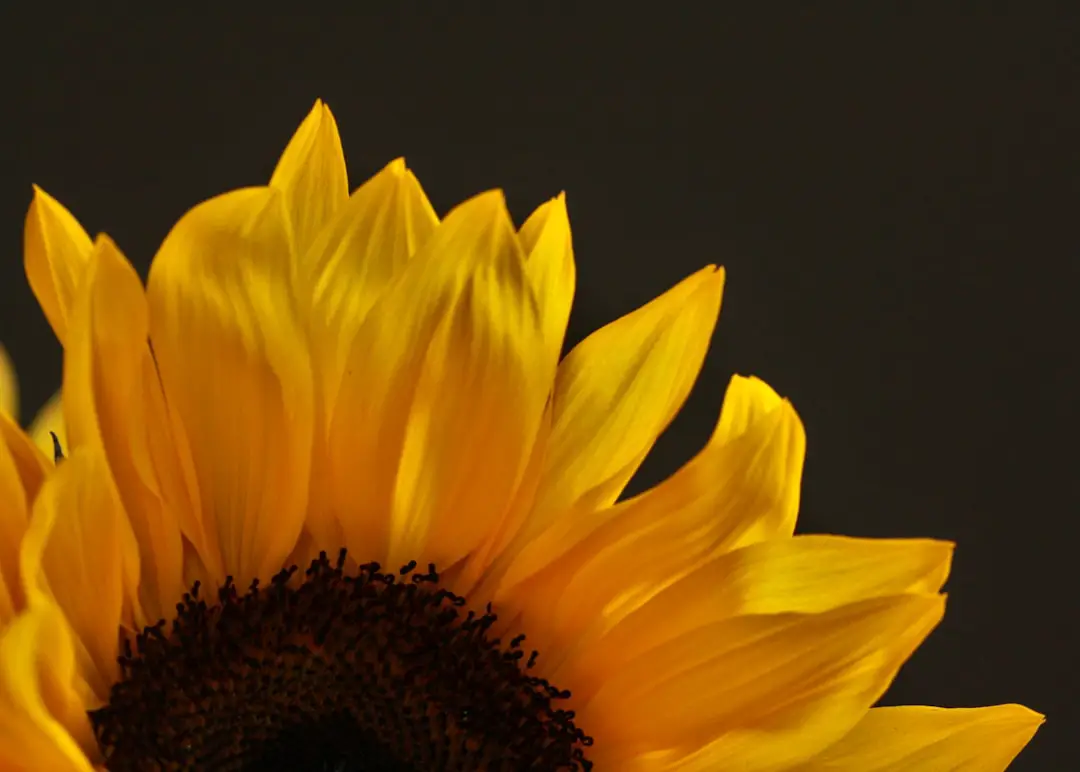
Although often associated with minimal editing, Tillmans is not afraid of using dynamic, expressive color. The key lies in how those colors are handled—never garish or overly saturated, but rich and deliberate.
When editing:
- Use the HSL (Hue, Saturation, Luminance) panel to fine-tune specific colors without affecting the overall tone.
- Desaturate backgrounds slightly to let the subject pop more naturally.
- Use split toning to bring a warm or cool cast to highlights and shadows.
Watch how subtle shifts can transform the emotional impact of your work.
6. Integrate Abstract Elements
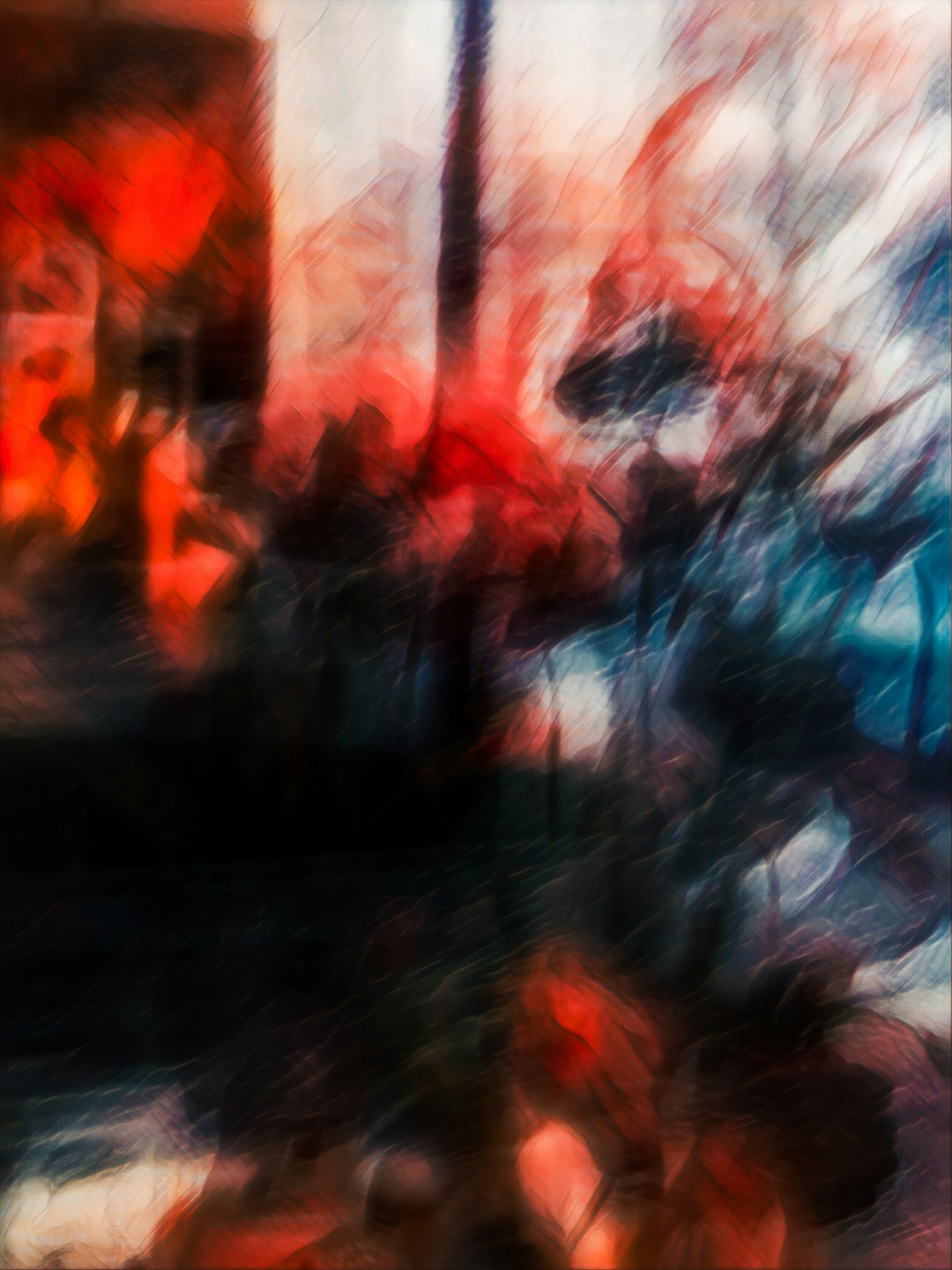
In many exhibitions, Tillmans includes abstract images—light studies, paper curls, and even scans. These aren’t random diversions; rather, they offer a multi-layered experience for the viewer. You can channel this spirit by experimenting with forms, textures, and techniques in your own editing process.
Try these creative approaches:
- Scan physical elements (leaves, fabrics, crumpled paper) and layer them into your edits.
- Use the clone tool to subtly repeat patterns or motifs.
- Play with drastically underexposed or overexposed images to achieve painterly textures.
7. Print and Display Your Work Thoughtfully
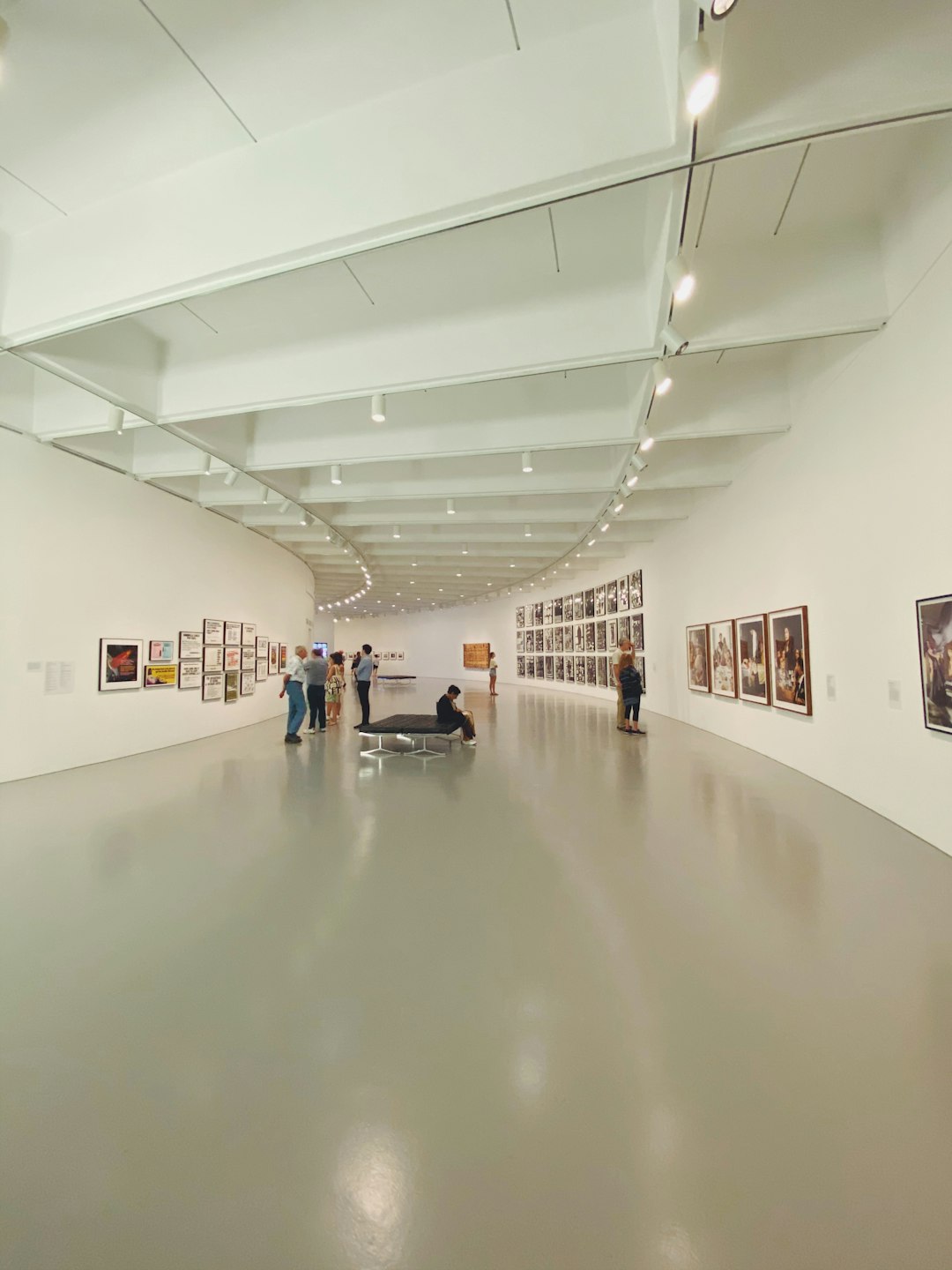
Editing your photo doesn’t end in your Lightroom library. One of the most crucial aspects of Tillmans’ practice is how he curates images in physical space. He often prints works in different sizes, mixes color with black-and-white, and hangs prints unframed directly on walls using archival tape.
Think about how your edited image might live in the real world:
- Would it be more powerful as a small intimate print or a large-format poster?
- Should it be seen alone or as part of a series?
- Can the physical texture of paper enhance the emotional tone?
Some editing decisions might even change when you consider how the photo will be displayed in real life versus on-screen.
8. Accept Flaws as Part of the Process
Perfection is not the goal—truth is. Tillmans often embraces slight motion blur, uneven lighting, and spontaneous framing as integral elements of his work. If an image isn’t flawless technically, but it makes you feel something? That’s the one worth keeping.
Instead of discarding an image that isn’t sharp or properly exposed, ask:
- Does this imperfection add something unique?
- Can I accentuate it in a way that strengthens the overall mood?
9. Create Your Own Visual Language
While learning from Tillmans can greatly enhance your photographic eye, the ultimate goal is to develop your own voice. Let his approach serve as a compass, not a map. Use his editing philosophy to deepen your emotional resonance, challenge conventional aesthetics, and ultimately celebrate your own perspective.
Experiment frequently, fail cheerfully, and keep revisiting your work with fresh eyes.
Final Thoughts
Editing like Wolfgang Tillmans isn’t about replicating a style—it’s about adopting a way of seeing. It’s a celebration of emotion, imperfection, composition, and the quiet poetry of the everyday. By applying subtle, thoughtful edits and embracing your photos’ unique qualities, you can begin to express imagery that resonates just as deeply as his iconic works.
So grab your favorite shots, open up your editing software, and dare to let them breathe and live—flaws and all—in the spirit of true artistic freedom.