

Buying a home is a major step that requires careful planning of every dollar. You need to look beyond the deposit to see the full financial picture. Mapping out your expenses early helps you stay in control of your journey.
Starting with a clear budget keeps your search realistic and manageable. It helps you avoid the stress of looking at properties that are out of reach. Having these numbers ready allows you to make fast offers when the right place appears.
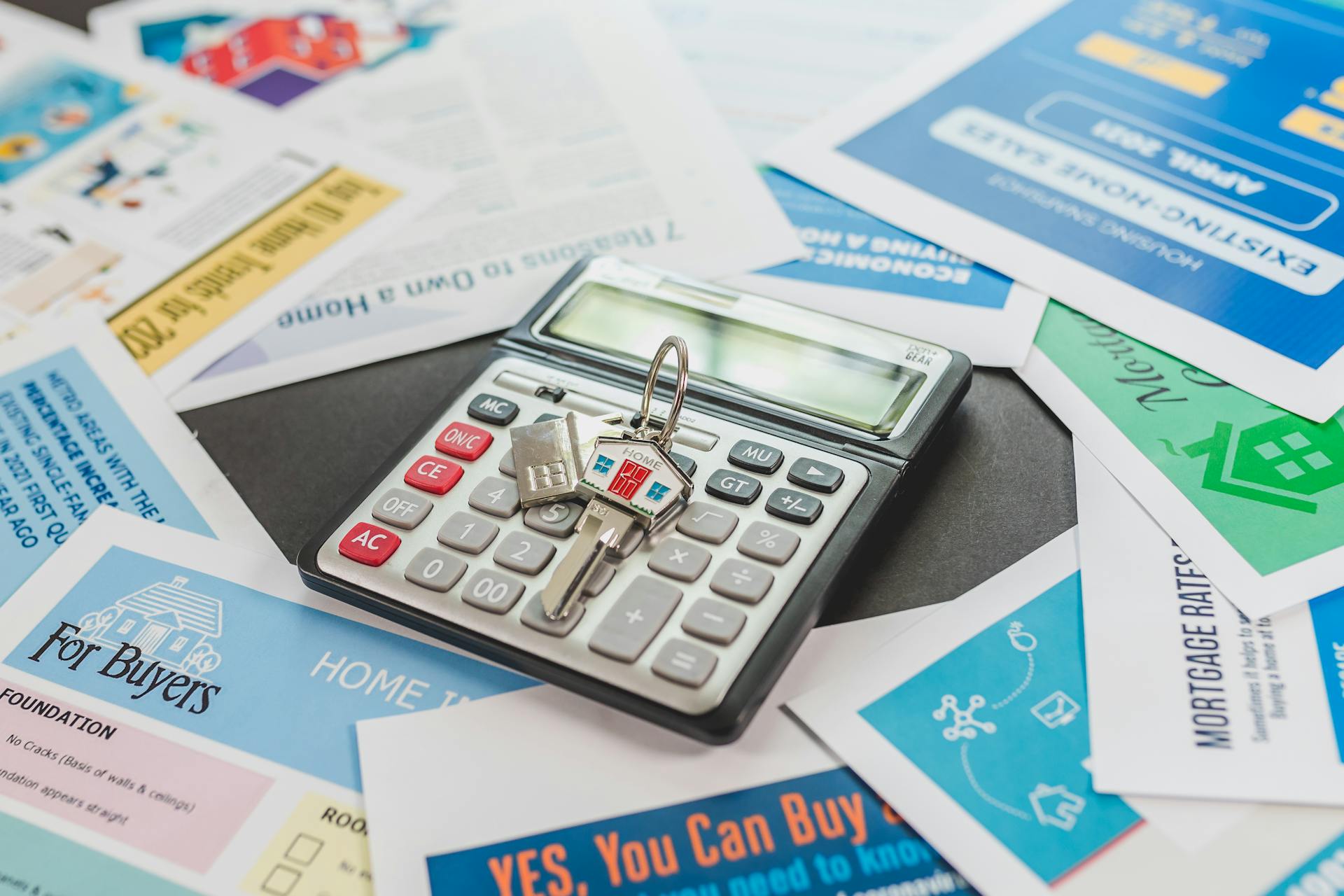
Evaluating Your Current Savings Balance
The journey starts by looking at your current bank balance and investments. You must determine how much cash is available for an immediate down payment. Look at your savings accounts and any other assets you can turn into cash quickly.
Subtract a portion of this money for your emergency fund right away. You should never spend every cent you own on the purchase itself. Keeping a small reserve protects you from unexpected life events during the settlement period.
High savings totals give you more options when negotiating with lenders. It shows you have the discipline to manage money over a long period. Reviewing your bank statements from the last six months clarifies your true saving capacity.
Calculating Your Real Borrowing Power
Many people guess their loan limit based on basic online calculators. Utilizing mortgage broker services provides a firm number based on your actual income and debt levels. This clarity prevents you from wasting time on houses you cannot buy.
Your borrowing power depends on your salary and your existing credit card limits. Lenders look at how much you spend on groceries and utilities each month. They want to see that you can afford the loan even if interest rates go up.
Lenders use different formulas to decide how much they will give you. One bank might offer more than another based on how they view your employment type.
Researching Available Government Support
State and federal governments often provide help for people entering the property market. These programs can reduce the amount of deposit you need to save. Some schemes even help you avoid paying for certain types of insurance.
A mortgage advisory group highlighted that new rules for the Home Guarantee Scheme, since late 2025, removed income caps and waitlists. This change opened the door for many people who previously earned too much to qualify. It is a good idea to check current eligibility rules for your specific area.
Grants for new builds are another common way to boost your budget. These funds are usually paid directly to your lender at settlement.
Estimating The Upfront Purchase Fees
The price on the listing is only part of what you will actually pay. You need to account for taxes and professional fees that happen before you move in. These costs vary depending on the value of the property and the state laws.
- Stamp duty is the largest tax you will face.
- Legal fees cover the work of your solicitor or conveyancer.
- Building and pest inspections protect you from hidden damage.
- Loan application fees might be charged by your bank.
Budgeting for these items prevents a shortage of funds at the last minute. Most buyers set aside about 5% of the purchase price to cover these extras. Having this cash ready makes the legal process move much faster.
Factoring In Immediate Move-In Expenses
Moving house costs more than just the price of a rental truck. You might need to buy curtains or window blinds that fit the new space. Small repairs like painting or fixing leaky taps often happen in the first month.
A recent study on homeownership suggested that initial renovations and furniture can cost over $86,000 in the first twelve months. This figure includes everything from major kitchen updates to basic garden tools. Planning for these costs stops you from maxing out your credit cards later.
Start a list of the things you will need the moment you get the keys. Include things like new locks for security and professional cleaning for the carpets.
Predicting Mortgage Trends For 2026
The interest rate you get today might change over the next few years. It is smart to look at where the economy is heading before you sign a long-term contract. Knowing the forecast helps you decide between a fixed or variable rate.
One financial news outlet recently suggested that market experts look for slow price increases and steady loan rates through late 2026. This outlook means you might not face sudden spikes in your monthly payments soon. Stable rates make it easier to plan your household spending for the future.
Even with a stable outlook, you should test your budget against higher rates. If you can still afford the house with a 2% increase, you are in a safe position.

Following these steps ensures you enter the market with your eyes wide open. You will know exactly what you can afford and where your money is going. This preparation makes the entire buying process much more enjoyable.
Your home should be a source of pride and comfort for your family. Taking the time to calculate a detailed budget is the first step toward that goal. With a solid plan in place, you can move forward with total confidence.