

Artificial Intelligence (AI) has come a long way. It wasn’t always as smart as it is today. In fact, it started out as just an idea in someone’s head! Over the years, AI has evolved through major milestones. Each step helped us get better machines, smarter software, and clever ways to use data. This timeline of AI shows how technology and machine learning have grown hand-in-hand. Let’s take a trip through time—don’t worry, it’s going to be a fun ride.
1950s – The Dream Begins
Let’s go back to the 1950s. It was the age of rock ’n’ roll and black-and-white TVs. This is when AI had its first big idea.
- 1950: Alan Turing asked, “Can machines think?” He created the Turing Test to find out if computers could seem human.
- 1956: At a workshop at Dartmouth College, scientists coined the term Artificial Intelligence.
Back then, the computers were huge. They didn’t have much memory. But these early thinkers believed machines could solve problems and learn.
1960s – Learning to Think
In the 1960s, researchers started teaching machines how to “reason.”
- They created programs that could play games like checkers and chess.
- ELIZA, one of the first chatbots, was born. It could mimic a conversation with a real person.
But don’t get too excited yet. These programs followed scripts. They weren’t truly understanding what they were doing.
1970s to 1980s – Expert Systems Rise
AI entered a new phase called Expert Systems. These were programs designed to copy the decision-making of real experts.
- They were used in medicine, engineering, and chemistry.
- Big companies started investing in AI. Everyone was optimistic!
However, these systems had one big problem—they couldn’t learn on their own. Everything had to be programmed in advance.
Eventually, people got frustrated. They realized there were limits. This led to something called an AI Winter.
1980s – AI Winter Hits
The excitement cooled down. Money stopped flowing into AI projects. People lost faith. The technology just wasn’t ready yet.
But don’t worry. Scientists kept researching. Behind the scenes, big breakthroughs were on the horizon.
1990s – AI Gets Back Up
With the rise of the internet and faster computers, AI started to shine again.
- 1997: IBM’s Deep Blue beat world chess champion Garry Kasparov!
- Search engines used simple AI to improve results.
People realized AI could be useful in daily life—not just in labs.
It still wasn’t perfect, but things were speeding up.
2000s – The Age of Data
Now we enter a game-changing era. The 2000s brought massive amounts of data—and AI loves data!
- More people were online.
- Phones got smart.
- Social media exploded.
All that data helped AI improve. Machine Learning became a buzzword. This means computers could now learn from the data instead of being told what to do.

2010s – Learning Gets Deep
This decade introduced Deep Learning. Deep learning uses neural networks that kind of copy how the human brain works (just not as well… yet!).
Big wins in AI began to stack up:
- 2011: IBM Watson won Jeopardy! against human champions.
- 2012: AI recognized cats in YouTube videos—without being told what a cat was!
- 2016: Google’s AlphaGo beat a world champion at Go, a very complex board game.
Suddenly, AI was everywhere. Phones understood voice commands. Cars started learning to drive themselves. Chatbots helped us online. It was the AI renaissance!

2020s – AI in Everyday Life
Now we’re in the present. AI isn’t just for research anymore. It’s part of our daily lives.
Here’s where we see AI working for us:
- Voice assistants: Siri, Alexa, and Google Assistant.
- Social media: Algorithms that show us what we like.
- Healthcare: AIs that help doctors spot diseases faster.
- Translation: Google Translate is now better thanks to AI.
One big breakthrough recently was Generative AI. These are AIs that can create things—like writing poems, making images, and even coding!
That’s how tools like ChatGPT, DALL·E, and MidJourney came to be. They’re not just using data—they’re creating with it!
The Evolution of Machine Learning
Let’s not forget about machine learning (ML). It grew up alongside AI. Think of AI as the big picture. ML is one powerful tool inside that picture.
Machine learning started with small steps. But as computers got faster and data got bigger, ML took off. Deep learning is part of ML, and it’s one of the strongest engines for today’s AI.
Here’s a simplified view of how ML evolved:
- Early years: Simple models. Needed a lot of human help.
- 2000s: More data = better results. Support Vector Machines and Decision Trees were popular.
- 2010s: Neural networks took over. Deep learning ruled.
- Now: Models like transformers (used in ChatGPT) are the new stars.
The better the data, the better the models. And the smarter the models, the better the AI.
What’s Next?
Where do we go from here? That’s the exciting part! The future of AI might include things like:
- Machines that understand emotions.
- AI that can explain its answers.
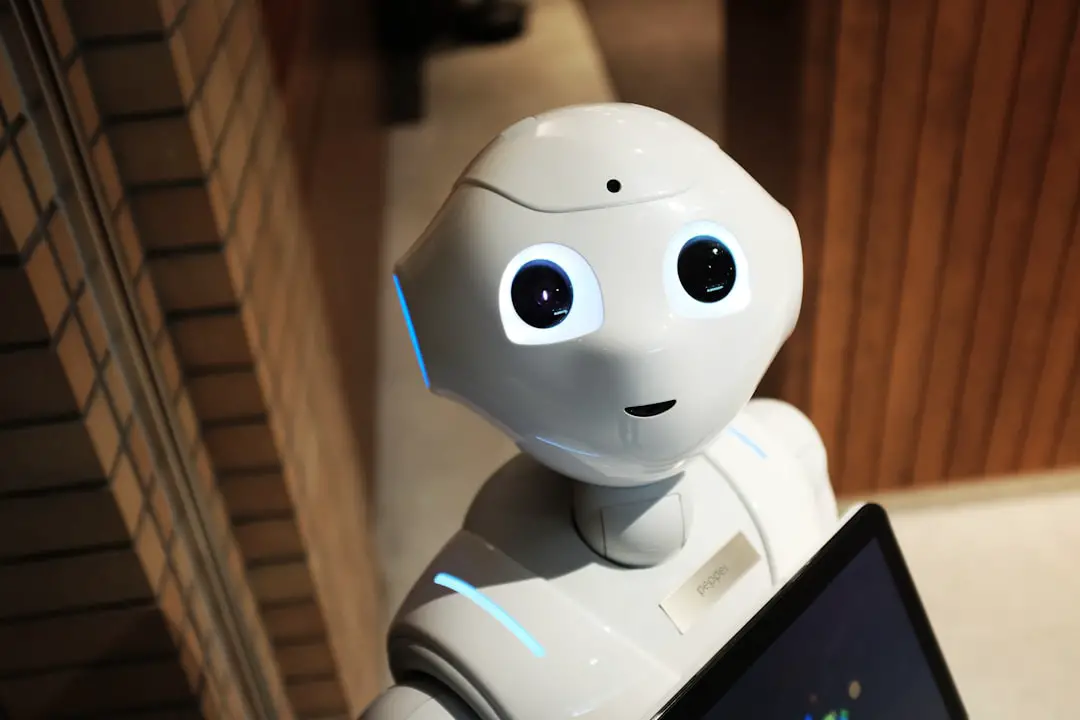
- Robots that live and work among us.
- Super-personalized medicine and education.
Of course, we’ll need to be careful. AI needs to be fair, safe, and used in a way that helps people—not hurts them.
Final Thoughts
The AI timeline is more than just dates and data. It tells the story of human curiosity, hard work, and imagination. From simple programs that played checkers, to powerful models that write songs—we’ve come a long way.
Technology and machine learning keep changing the world. And the evolution of AI shows us just how far we’ve come—and how far we can still go.
The story isn’t over. In fact, it’s just getting started!