
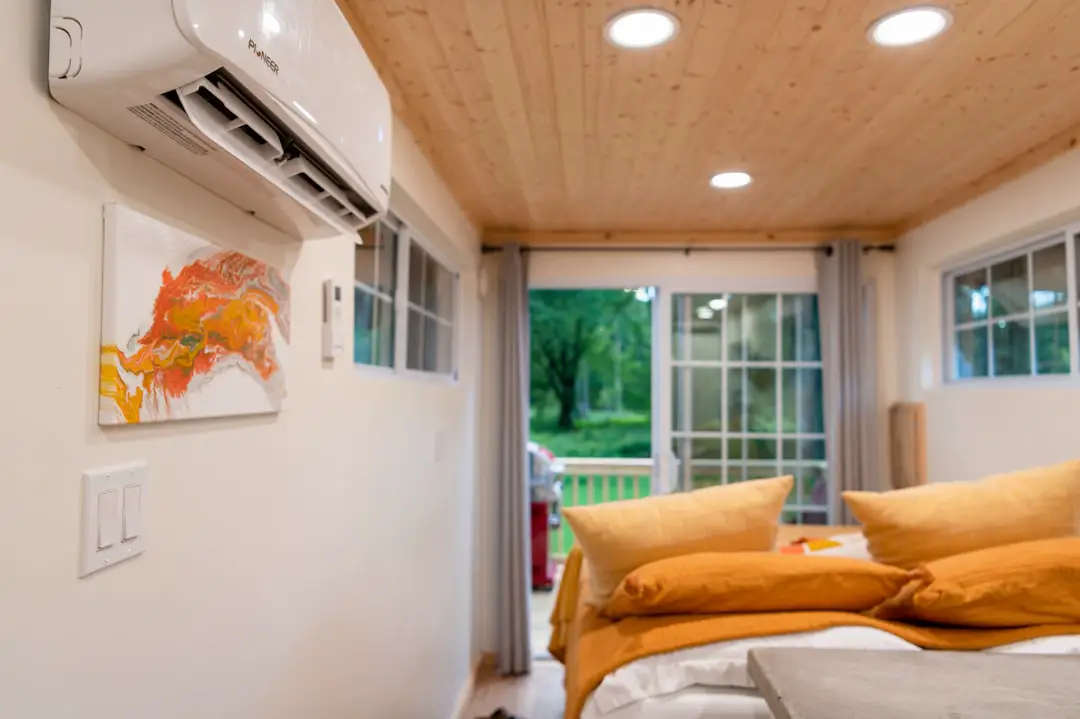
Modern households are busier than ever, juggling work, school, errands, and personal obligations all at once. Home automation has emerged as a practical solution for simplifying daily routines, reducing stress, and improving efficiency. By integrating smart technology into everyday tasks, homeowners can create environments that respond intuitively to their needs. From waking up in the morning to winding down at night, automation transforms ordinary moments into seamless experiences.
TLDR: Home automation streamlines daily life by connecting lighting, climate control, security, appliances, and entertainment into a unified system. Smart routines can automate morning wake-ups, energy savings, cleaning, and home security with minimal effort. Voice assistants and mobile apps offer centralized control, while sensors and AI personalize the experience. The result is a more comfortable, efficient, and stress-free home environment.
Smart Morning Routines
One of the most impactful uses of home automation is in the morning routine. Instead of relying on multiple alarms and manual adjustments, homeowners can program a sequence that gently prepares them for the day.

A sunrise alarm clock can gradually brighten the room to simulate natural daylight, helping the body wake up more comfortably. At the same time, automated blinds can slowly open, and a smart thermostat can adjust the temperature to a preferred setting. In the kitchen, a connected coffee maker can begin brewing as soon as the alarm turns off.
Voice assistants add another layer of convenience. A simple command like “Good morning” can trigger multiple actions:
- Reading out the weather forecast
- Sharing traffic updates
- Reviewing calendar appointments
- Turning on kitchen lights
- Starting a favorite playlist or podcast
This synchronized approach helps eliminate morning chaos and ensures the day starts calmly and efficiently.
Effortless Lighting Control
Lighting plays a major role in comfort and productivity, and smart lighting systems make adjustments automatic and energy-efficient. Motion sensors can turn lights on when someone enters a room and off when the space is vacant. This not only enhances convenience but also reduces energy waste.
Pre-set lighting scenes further customize the experience. For example:
- Work mode: Bright, cool-toned lighting for focus
- Dinner mode: Warm, ambient lighting for relaxation
- Movie mode: Dimmed lights for a cinematic feel
With smartphone apps or voice commands, homeowners can control lighting remotely. If someone forgets to switch off the lights before leaving, a quick tap on a phone solves the problem instantly.
Climate Control That Thinks Ahead
Smart thermostats learn daily habits and adjust heating or cooling automatically. Over time, they recognize patterns such as when occupants typically leave for work or return home. This allows the system to optimize energy consumption without sacrificing comfort.
For example, during winter months, the thermostat can:
- Lower temperature when everyone leaves
- Gradually warm the house before arrival
- Adjust overnight to energy-saving settings
This proactive approach keeps living spaces comfortable while reducing utility bills. Some systems even use weather forecasts to adapt settings in advance.
Kitchen Automation for Busy Households
The kitchen is often the heart of the home, and automation here can dramatically simplify daily tasks. Smart refrigerators can track groceries and send alerts when items are running low. Connected ovens allow preheating from a mobile app, saving valuable time during meal preparation.
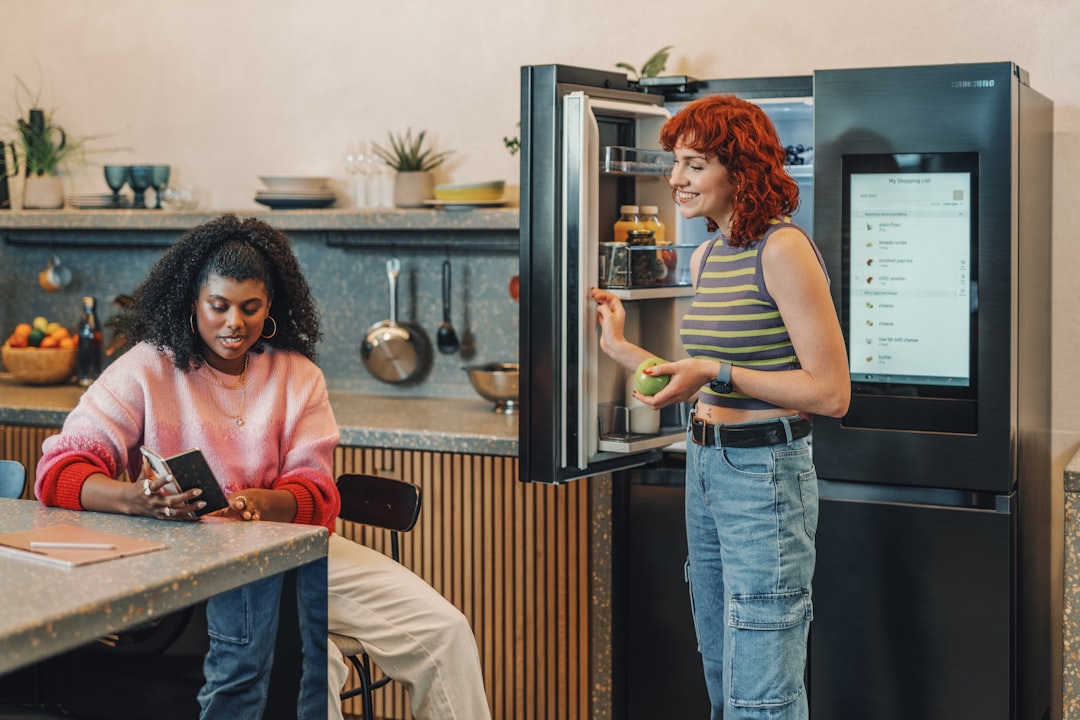
Meal planning also becomes easier with voice integration. A digital assistant can suggest recipes based on available ingredients or dietary preferences. Families can even synchronize grocery lists across devices, ensuring no essential item is forgotten.
For families managing multiple schedules, automation ensures meals are one less hassle to worry about.
Seamless Cleaning Solutions
Cleaning is one of the most time-consuming aspects of home maintenance, but robotics and automation are making it increasingly manageable. Robotic vacuum cleaners can operate on scheduled timetables, navigating rooms and returning to their charging docks automatically.
Advanced models map floor plans and avoid obstacles, improving efficiency with every use. Some systems integrate with smart assistants, allowing voice commands such as “Start cleaning the living room.”
Smart washing machines and dishwashers add further convenience. Users can monitor cycles remotely, receive alerts when tasks are complete, and schedule operations during off-peak energy hours.
Integrated Home Security
Security is one of the most popular applications of home automation. Smart locks, video doorbells, and surveillance cameras provide peace of mind whether residents are home or away.
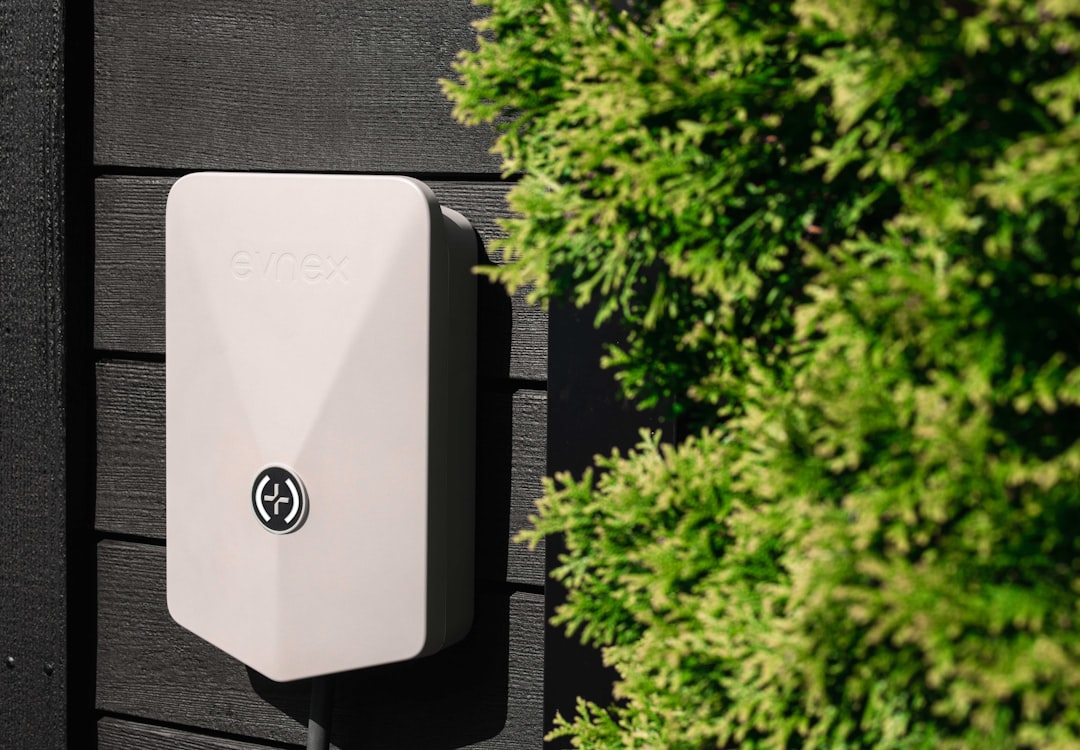
Video doorbells allow homeowners to see and communicate with visitors in real time, even from miles away. Smart locks enable temporary digital keys for guests or delivery personnel. When paired with motion sensors and automated lighting, these systems deter potential intruders effectively.
Security routines can also be automated. For example:
- Arming the alarm when everyone leaves the house
- Locking all doors at a preset time
- Turning on outdoor lights at sunset
- Sending instant alerts for unusual activity
This level of control enhances safety while minimizing manual effort.
Evening Wind-Down Automation
Just as automation enhances mornings, it can also create a smooth nighttime routine. A single command such as “Good night” can:
- Turn off interior lights
- Lock doors
- Set the alarm system
- Adjust the thermostat
- Lower bedroom lighting gradually
Automated white noise machines or calming music can begin playing to support restful sleep. Smart mattresses and sleep trackers even provide insights into sleep quality and suggest improvements.
Entertainment Without the Hassle
Home automation transforms entertainment into a one-touch experience. Instead of adjusting multiple remotes and settings, users can activate a pre-programmed entertainment scene.
A typical movie night automation might include:
- Lowering blackout shades
- Dimming overhead lights
- Turning on the television and sound system
- Selecting a streaming service
Multi-room audio systems also allow synchronized music throughout the house or different playlists in separate rooms, all controlled from a single device.
Energy Efficiency and Sustainability
Automation not only simplifies routines but also promotes sustainability. Smart plugs track energy usage and allow remote shutdown of devices. Irrigation systems adjust watering schedules based on weather data, preventing waste.
These eco-friendly measures reduce carbon footprints while lowering monthly expenses. Over time, automated energy management can lead to significant cost savings.
Customization and Personalization
The true power of home automation lies in personalization. Systems can adapt to individual preferences, learning habits and refining responses. For instance, lighting may adjust automatically based on time of day and occupant activity.
Geofencing technology enhances this further by detecting when someone leaves or approaches the home. This allows systems to trigger actions like unlocking doors or starting climate control without manual input.
By tailoring settings to specific routines, homeowners experience an environment that feels intuitive and responsive.
Conclusion
Home automation is no longer a futuristic luxury but a practical tool for simplifying everyday life. By connecting devices and systems into cohesive routines, households can reduce stress, conserve energy, and increase security. Whether it is waking up gently, managing household chores, or ensuring peace of mind while away, smart technology makes life feel more organized and controlled. The possibilities continue to expand, offering even greater opportunities for effortless living.
Frequently Asked Questions (FAQ)
- Is home automation expensive to start?
Initial costs vary depending on the devices chosen. Many homeowners begin with affordable items like smart plugs or bulbs and gradually expand their systems. - Do smart devices require professional installation?
Many devices are designed for easy self-installation. However, complex systems such as integrated security or advanced wiring setups may benefit from professional assistance. - Can home automation reduce energy bills?
Yes. Smart thermostats, lighting systems, and energy monitors help optimize usage and minimize waste, leading to lower monthly expenses. - Is home automation secure?
When configured properly with strong passwords, encrypted networks, and regular software updates, smart systems can be highly secure. - Will smart devices work during internet outages?
Some devices maintain limited local functionality without internet access, but full remote control and cloud-based features may be unavailable until the connection is restored. - Can different brands of smart devices work together?
Many devices are designed to integrate through centralized platforms or hubs, though compatibility should always be checked before purchasing.