

In today’s digital-first economy, businesses and creators rely on flexible website builders to establish a strong online presence without the need for complex development processes. Whether launching an eCommerce store, showcasing a creative portfolio, or managing a service-based business, modern website builders provide scalable tools that adapt to evolving goals. These platforms allow users to design, publish, and manage websites efficiently, reducing reliance on technical expertise while maintaining professional standards.
TLDR: Flexible website builders empower businesses and creators to design professional websites without coding expertise. They offer customizable templates, scalable features, and integrations that grow alongside business needs. From eCommerce tools to marketing automation, these platforms streamline online management. Choosing the right builder depends on flexibility, performance, and long-term adaptability.
The Evolution of Website Builders
Website builders have evolved significantly from basic drag-and-drop editors into comprehensive digital ecosystems. Earlier platforms primarily focused on simplicity, providing limited customization options. Today’s solutions combine ease of use with advanced capabilities such as dynamic content management, integrated marketing tools, and SEO optimization.
This transformation reflects broader market demands. Businesses require more than static pages; they need dynamic websites that support customer journeys, data tracking, and personalized experiences. Creators, meanwhile, seek design flexibility to express their unique brand identities. As a result, modern builders now emphasize adaptability and scalability.
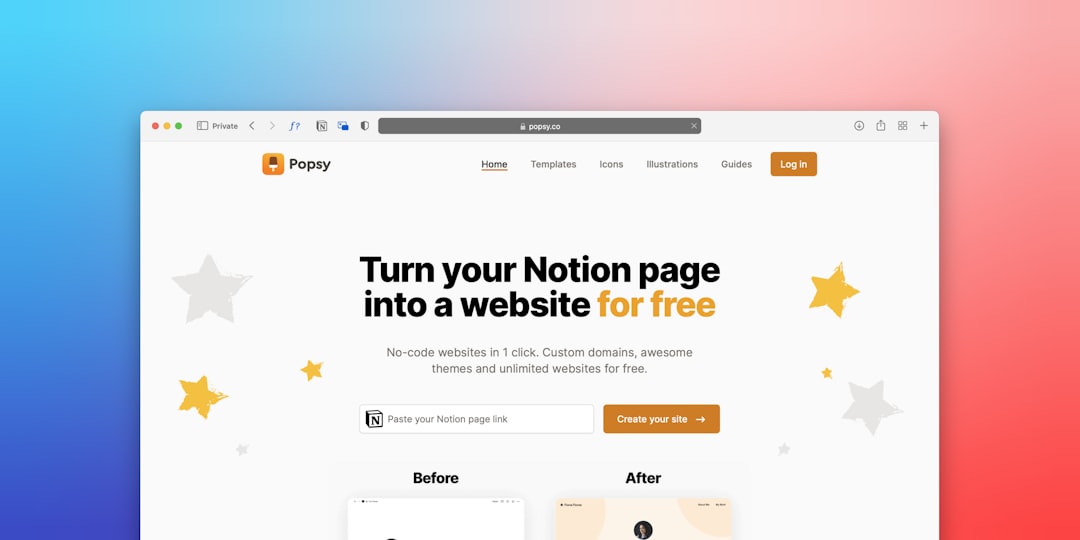
Why Flexibility Matters
Flexibility is one of the most critical attributes of a website builder. A rigid platform can limit creativity and restrict growth. Flexible website builders enable users to:
- Customize layouts beyond preset templates
- Add advanced functionality through plugins or integrations
- Scale hosting resources as traffic increases
- Modify design elements without rebuilding entire pages
- Integrate third-party tools such as CRMs, analytics, or payment systems
This adaptability ensures that businesses and creators can adjust their websites as trends, customer needs, or business models evolve. For example, a freelancer who initially offers portfolio services might later add an online store or booking system. A flexible builder accommodates such transitions without requiring a full migration.
Key Features of Flexible Website Builders
1. Customizable Templates
Templates serve as starting points, but true flexibility lies in customization. Modern builders allow users to alter typography, spacing, layouts, and color schemes. Advanced platforms even provide access to code-level adjustments for those who require deeper control.
2. Responsive Design
With mobile traffic dominating online interactions, responsive design is essential. Flexible builders automatically optimize websites for various devices, ensuring seamless performance on desktops, tablets, and smartphones.
3. App and Plugin Ecosystems
An extensive marketplace of add-ons enhances functionality. From eCommerce carts and booking systems to email marketing integrations and chat tools, these extensions allow websites to grow organically alongside business demands.
4. SEO and Marketing Tools
Built-in SEO management, metadata editing, and analytics dashboards empower users to improve visibility. Integrated email campaigns, landing page builders, and social media connections further streamline digital marketing efforts.
5. Scalable Hosting and Security
Flexible website builders typically offer scalable hosting plans, SSL certificates, and regular updates. This infrastructure ensures websites remain fast and secure, even as traffic grows.
Benefits for Businesses
Businesses benefit significantly from adaptable website builders. They reduce operational complexity while maintaining professional results. Instead of hiring full-time developers, companies can allocate resources to growth-focused strategies.
Cost Efficiency: Subscription-based models eliminate large upfront development expenses. Businesses can start small and upgrade as needed.
Faster Time-to-Market: Launching a product or campaign becomes quicker with pre-designed elements and streamlined publishing workflows.
Operational Control: Marketing teams can update content instantly without external assistance.

Benefits for Creators
Creators—including artists, bloggers, educators, and influencers—require tools that balance aesthetic freedom with usability. Flexible website builders meet these needs by offering:
- Creative control: Custom design elements and multimedia support
- Monetization features: Membership subscriptions, digital downloads, or online courses
- Audience engagement tools: Comment sections, newsletters, and live integrations
- Portfolio presentation: Responsive galleries and interactive showcases
Importantly, creators often evolve their content strategies over time. A photographer might expand into workshops or tutorials, while a writer could launch gated content subscriptions. Flexible platforms accommodate these expansions without disrupting brand identity.
Scalability and Long-Term Growth
One of the primary advantages of flexible website builders is scalability. As website traffic increases or services diversify, the platform should support these changes seamlessly. Advanced builders offer tiered plans with expanded storage, bandwidth, and support services.
Scalability also includes content management. Businesses producing high volumes of blog posts, videos, or product listings require structured systems that simplify organization. Dynamic content tools and database-driven features become essential at this stage.
Furthermore, integration with analytics platforms allows organizations to monitor growth metrics closely. By tracking visitor behavior, conversion rates, and user demographics, businesses can refine strategies and ensure sustained development.
User Experience and Design Freedom
Modern consumers expect intuitive navigation and visually appealing interfaces. Flexible website builders provide drag-and-drop editors, grid systems, and layered design capabilities that enable sophisticated layouts without technical coding knowledge.
However, true flexibility means more than design variety. It also involves performance optimization. Lightweight coding structures, image compression tools, and global content delivery networks ensure fast load times—factors that directly influence search engine rankings and user retention.

Integration with Emerging Technologies
As digital ecosystems continue to expand, website builders increasingly integrate emerging technologies. Artificial intelligence assists with content suggestions, automated layout adjustments, and chat-based customer service. Automation tools handle appointment scheduling, lead nurturing, and email follow-ups.
Additionally, API integrations allow businesses to connect their websites with external software solutions. Whether linking to accounting platforms, inventory systems, or customer relationship management tools, these integrations centralize operations and enhance efficiency.
Challenges and Considerations
Despite numerous benefits, selecting the right website builder requires careful evaluation. Some platforms may appear flexible but impose hidden limitations such as restricted export options or limited customization at advanced levels.
When assessing options, businesses and creators should consider:
- Data ownership and portability
- Customization depth
- Performance reliability
- Customer support quality
- Pricing transparency
It is also important to anticipate future needs. Choosing a platform solely based on current requirements may result in costly migrations later. Strategic planning ensures that the builder selected today will remain suitable as the organization grows.
The Future of Flexible Website Builders
The next generation of website builders will likely emphasize even greater personalization and automation. AI-driven design assistance, predictive analytics, and voice interface compatibility are becoming increasingly common. As user expectations rise, platforms must continuously evolve to deliver both simplicity and depth.
At the same time, sustainability and accessibility are gaining attention. Builders that prioritize accessible design standards and environmentally efficient hosting solutions may gain competitive advantages. Businesses and creators who adopt forward-thinking tools position themselves to thrive in an ever-changing digital landscape.
Conclusion
Flexible website builders represent a powerful solution for businesses and creators seeking autonomy, scalability, and creative control. By combining intuitive interfaces with advanced customization features, these platforms bridge the gap between simplicity and professional sophistication. Whether launching a new venture or expanding an existing brand, selecting a flexible builder ensures that online presence can evolve confidently alongside ambition.
Frequently Asked Questions (FAQ)
-
1. What makes a website builder “flexible”?
A flexible website builder offers customizable templates, scalable hosting, third-party integrations, and advanced design controls that allow users to adapt their sites as needs evolve. -
2. Are flexible website builders suitable for large businesses?
Yes, many modern builders support high traffic volumes, complex content management, and enterprise-level integrations, making them suitable for growing and large-scale operations. -
3. Do users need coding knowledge to use these platforms?
Most flexible website builders are designed for non-technical users, offering drag-and-drop tools. However, advanced users can often access custom code options for deeper control. -
4. Can a website built on these platforms scale with business growth?
Yes, scalable plans, plugin ecosystems, and hosting upgrades ensure websites can handle increased traffic, products, and content expansion. -
5. How important are integrations in a website builder?
Integrations are critical for connecting marketing tools, payment systems, analytics platforms, and operational software, enabling streamlined workflows. -
6. What should businesses consider before choosing a platform?
They should evaluate customization options, pricing structures, scalability, support services, performance reliability, and potential limitations regarding future growth.