
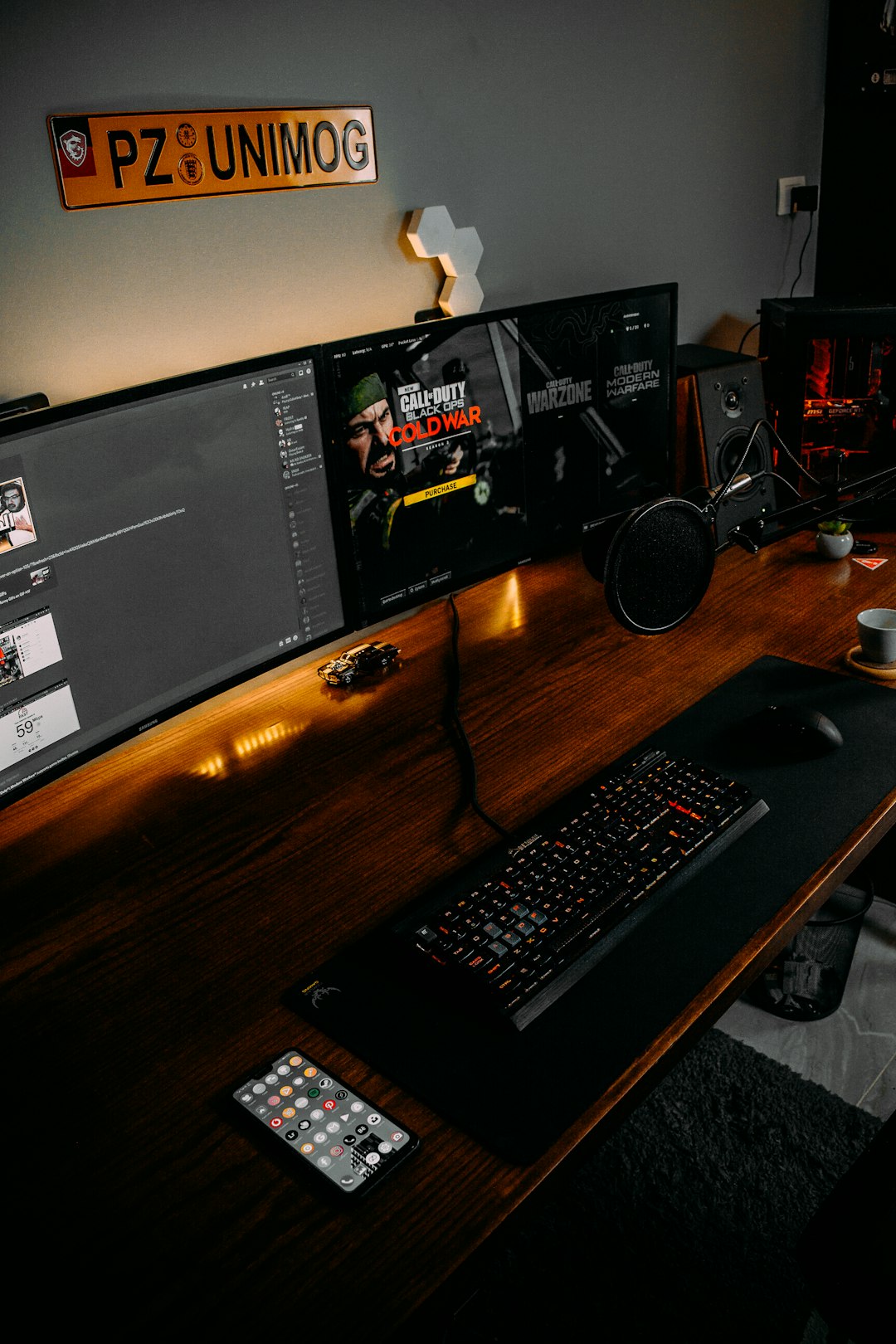
Pick fiber if it is available and the price is close. For gaming, fiber usually wins because it has lower ping, stronger upload speed, and fewer slowdowns during busy hours. The FCC says online gaming can work with about 4 Mbps download speed, but that number does not tell the whole story because latency matters more than raw speed [source: FCC].
TLDR: Fiber is the better choice for most gamers, especially for shooters, fighting games, and streaming. Cable can still be solid, but it often has higher ping and much weaker upload speed. For example, a fiber plan might give you 500 Mbps down and 500 Mbps up with 10 ms ping, while cable might give 500 Mbps down, 20 Mbps up, and 25 ms ping. If fiber costs only $5 to $15 more per month, it is usually worth it.

Latency: The Real Boss Fight
Latency is the time it takes for your action to reach the game server and come back. Gamers call it ping. Lower is better.
If you press fire, your game sends that action to the server. Then the server answers. If your ping is low, the shot feels instant. If your ping is high, it feels like your character is moving through soup.
- Great ping: 5 to 20 ms
- Good ping: 20 to 40 ms
- Okay ping: 40 to 70 ms
- Annoying ping: 70 ms and up
Fiber usually has lower latency than cable. It sends data using light through glass lines. That sounds fancy, but the result is simple. Your inputs reach the server faster.
Cable internet uses coaxial cable. It can be fast, but your neighborhood often shares parts of the network. At 8 p.m., when everyone is streaming, gaming, and downloading giant updates, ping can jump. It drives me crazy when a match feels fine at 4 p.m. but turns rubbery at night.
Upload Speed: The Hidden Gaming Stat
Most internet ads scream about download speed. “1 Gig!” “Super fast!” “Mega blast mode!” Cool. But gamers also need upload speed.
Upload speed is used when you send data out. Games use it for your position, voice chat, party chat, cloud saves, streaming, and hosting. If you stream on Twitch or upload clips, upload speed matters a lot.
Here is the big difference:
- Fiber plans are often symmetrical. That means 500 Mbps down and 500 Mbps up.
- Cable plans are often uneven. You may get 500 Mbps down but only 10 to 35 Mbps up.
For just playing games, you do not need 500 Mbps upload. Not even close. But more upload gives you room. Your brother can join a video call. Your phone can back up photos. You can stream your match. Your ping stays calmer.
Honestly, cable upload limits can feel silly. You pay for a big “gigabit” plan, then find out the upload speed is tiny in comparison. That is like buying a sports car with bicycle pedals.
Download Speed: Still Useful, But Not Everything
Download speed matters for game installs and patches. Modern games are huge. A 100 GB download can take a while.
Rough example:
- 100 Mbps: about 2 hours and 15 minutes for 100 GB
- 500 Mbps: about 27 minutes for 100 GB
- 1 Gbps: about 13 minutes for 100 GB
Real life may be slower. Game servers get busy. Wi Fi can be messy. Your console may crawl for no clear reason. Expect to waste time on a giant update the exact moment your friends invite you to play.
Both fiber and cable can offer fast download speeds. So if all you care about is downloading big games, cable may be fine. But if you care about smooth play, low ping, and streaming, fiber pulls ahead.
Pricing: Which One Costs More?
Pricing depends on your city, provider, and promo deal. Still, common patterns show up.
- Cable internet often starts cheaper for the first year.
- Fiber internet may cost a bit more, but the upload speed is usually much better.
- Cable prices can jump after the promo ends.
- Fiber plans may include simpler pricing, but not always.
A cable plan might be $40 to $60 per month at first. Later, it may rise to $70 to $100. A fiber plan might sit around $50 to $80 for strong speeds. These are rough numbers. Always check the final bill.
Look for these sneaky extras:
- Equipment rental fees
- Installation fees
- Data caps
- Price hikes after 12 months
- Contracts or early cancel fees
Data caps are a pain for gamers. A few game downloads, patches, streams, and cloud backups can chew through data fast. If cable has a cap and fiber does not, fiber gets a big point.
So, Which Should You Pick?
Choose fiber if:
- You play ranked games.
- You stream your gameplay.
- You upload videos.
- You share the connection with several people.
- The price is close to cable.
Choose cable if:
- Fiber is not available.
- The cable deal is much cheaper.
- You mostly play casual games.
- You do not stream or upload much.

Quick Gamer Rule
If fiber is available for a fair price, get fiber. It gives you better odds of low ping, strong upload speed, and fewer evening slowdowns. Cable is not bad. It can be fast and totally playable. But for serious gaming, fiber is usually the cleaner win.
Best simple pick: fiber for performance, cable for budget. If the monthly price gap is small, grab fiber and enjoy the smoother matches.