
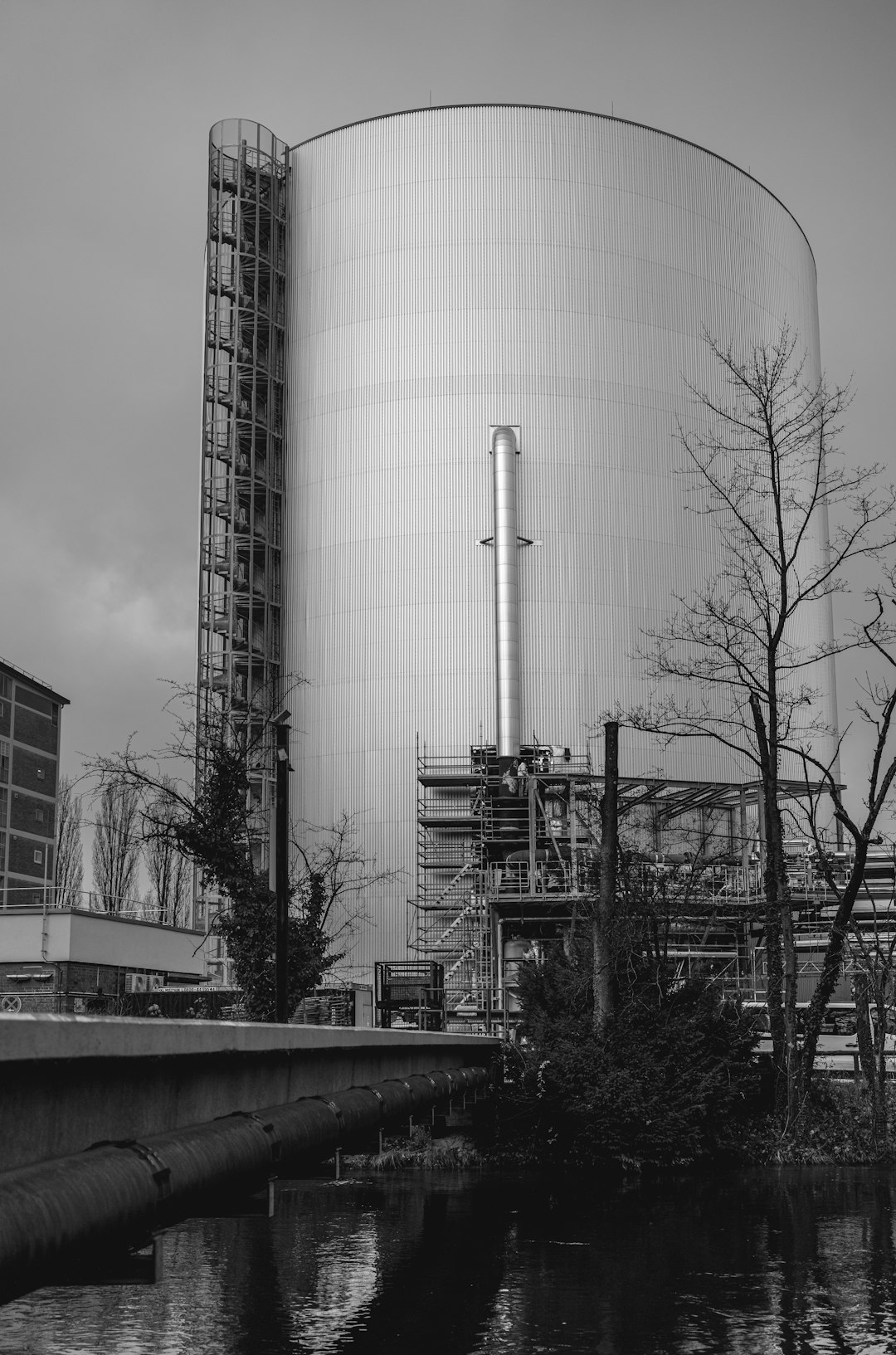
Pipeline abandonment and the closure of industrial facilities represent some of the most complex and high‑risk phases in the asset lifecycle. When performed incorrectly, these activities can create long‑term environmental liabilities, safety hazards, regulatory exposure, and reputational damage. Industry experts emphasize that abandonment and closure are not merely end‑of‑life tasks, but disciplined engineering, environmental, and governance processes requiring the same level of rigor as design and construction.
TLDR: Pipeline abandonment and facility closure demand structured planning, regulatory compliance, and multidisciplinary oversight. Experts stress early risk assessment, clear documentation, and long‑term monitoring to prevent environmental and safety issues. A well‑executed closure protects communities, ecosystems, and asset owners alike. Cutting corners at this stage often leads to higher costs and legal exposure later.
Understanding Pipeline Abandonment in Context
Pipeline abandonment refers to the permanent removal from service of a pipeline or pipeline segment, either in place or through full removal. The decision is influenced by technical condition, economic viability, land use constraints, and regulatory requirements. Importantly, abandonment is not synonymous with neglect. Experts consistently warn that poorly managed idle infrastructure can pose greater risks than active systems.
From a regulatory standpoint, abandonment typically requires demonstration that the pipeline no longer poses a threat to public safety or the environment. This often involves cleaning, purging, isolating, and physically securing the line. In some jurisdictions, additional measures such as grouting or filling with inert materials are mandated to prevent collapse, buoyancy issues, or unintended migration of contaminants.
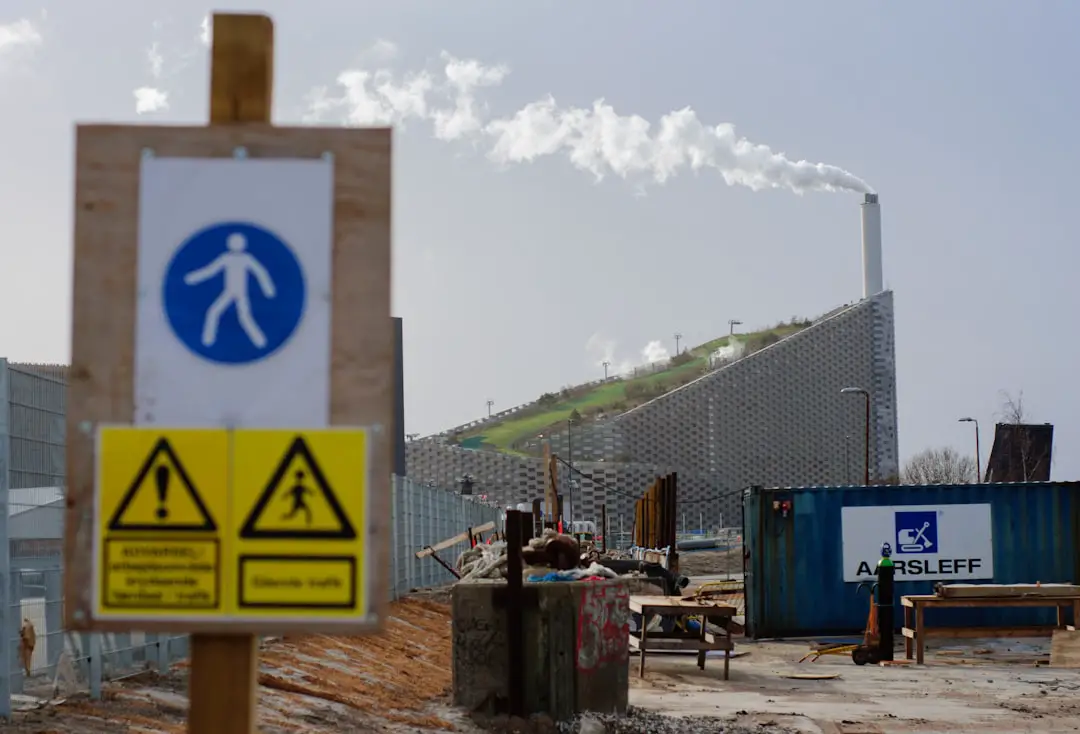
Key Risks Associated With Improper Abandonment
Experts identify several recurring risk categories when abandonment is rushed or inadequately planned. These risks extend across decades and may only surface long after ownership has changed.
- Environmental contamination: Residual hydrocarbons or chemicals can leach into soil and groundwater if pipelines are not properly cleaned.
- Geotechnical instability: Empty pipelines may collapse over time, leading to ground subsidence that affects roads, farmland, or structures.
- Public safety hazards: Unmarked or poorly documented abandoned assets can pose risks during excavation or redevelopment.
- Regulatory and legal exposure: Failure to meet abandonment standards can result in fines, remediation orders, or long‑term liability claims.
Industry specialists emphasize that many of these risks are preventable through disciplined engineering assessments and adherence to closure best practices.
Regulatory Expectations and Governance
Regulators increasingly expect asset owners to adopt a life‑cycle approach that includes end‑of‑life planning from the earliest project phases. Pipeline abandonment plans are now commonly required as part of decommissioning submissions, environmental impact assessments, or license surrender applications.
Key regulatory expectations typically include:
- Clear documentation of pipeline location, contents, and historical use
- Evidence of cleaning, purging, and isolation procedures
- Risk assessments addressing long‑term environmental and safety impacts
- Defined monitoring and record‑keeping obligations post‑abandonment
Experts advise engaging regulators early and maintaining transparent communication throughout the closure process. Proactive engagement often reduces approval timelines and helps avoid costly rework.
Safe Facility Closure: More Than Shutting Down Operations
While pipeline abandonment often receives focused technical attention, safe facility closure is equally complex. Facilities such as compressor stations, processing plants, terminals, and pump stations contain a wide range of hazards, including chemicals, pressurized systems, electrical infrastructure, and structural risks.
Experienced closure managers stress that facility shutdown should be treated as a formal project with clearly defined work scopes, leadership accountability, and safety management systems. Ad hoc or fragmented approaches are frequently cited as a root cause of incidents during closure activities.
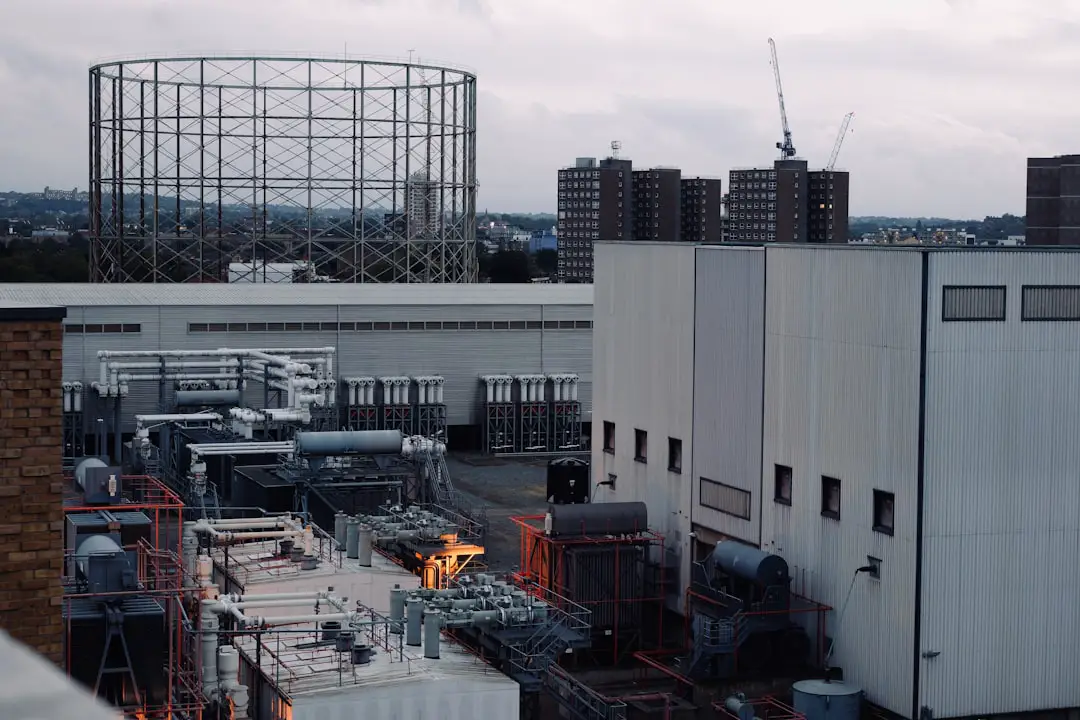
Best Practices for Safe Facility Closure
Based on expert insights, effective facility closure typically incorporates the following practices:
- Comprehensive hazard identification: Detailed surveys to identify residual energy, chemicals, and physical hazards.
- Systematic de‑energization: Controlled isolation of electrical, mechanical, and hydraulic systems.
- Material and waste management: Proper handling, recycling, or disposal of hazardous and non‑hazardous materials.
- Structural integrity assessments: Evaluations to determine whether buildings should be demolished, mothballed, or repurposed.
- Worker and contractor safety controls: Clear procedures, training, and supervision during dismantling activities.
Experts highlight that closure often involves non‑routine work, making human factors and change management particularly important. Clear communication and competent supervision are essential to maintaining safety performance.
The Role of Environmental Remediation
Environmental remediation is frequently intertwined with both pipeline abandonment and facility closure. Even in cases where operations were historically compliant, evolving environmental standards may require soil or groundwater remediation before a site can be considered safely closed.
Specialists recommend a phased remediation strategy that aligns with closure activities. Early investigation and sampling help define cleanup requirements and reduce surprises during later stages. In turn, integrating remediation with demobilization and demolition activities can significantly reduce overall project costs.

Documentation, Records, and Long‑Term Stewardship
One of the most underestimated aspects of abandonment and closure is documentation. Experts uniformly stress that accurate, accessible records are critical long after physical work has ended. These records support land transactions, redevelopment projects, regulatory audits, and emergency response.
Essential documentation typically includes:
- As‑built drawings and final asset status records
- Details of cleaning, filling, or removal methods
- Environmental assessment and remediation reports
- Coordinates and depth of abandoned pipelines
In many jurisdictions, asset owners retain some level of long‑term stewardship responsibility. Maintaining institutional knowledge and ensuring records are transferred during mergers or divestitures is a recurring industry challenge.
Strategic Value of Expert‑Led Closure
From an expert perspective, investing in high‑quality abandonment and closure practices delivers tangible strategic value. Beyond regulatory compliance, it protects corporate reputation, enables future land use opportunities, and reduces the likelihood of unforeseen liabilities emerging years later.
Industry leaders increasingly frame abandonment and closure as indicators of operational maturity. Organizations that apply the same governance discipline at end‑of‑life as they do during asset development are better positioned to meet stakeholder expectations and adapt to tightening environmental and safety standards.
Conclusion
Pipeline abandonment and safe facility closure are critical responsibilities that extend well beyond operational shutdown. Expert insights consistently point to the importance of early planning, rigorous risk management, and transparent governance. When executed professionally, these processes safeguard communities, protect the environment, and preserve long‑term value. In an era of heightened scrutiny and sustainability expectations, responsible closure is not optional—it is an essential component of sound asset management.