
Customer expectations have evolved dramatically in the digital age. People no longer compare your business only to direct competitors—they compare it to the seamless, intuitive experiences provided by global tech leaders. As a result, organizations across industries are turning to smart features powered by data, automation, and artificial intelligence to enhance every interaction. When implemented strategically, these features do more than add convenience—they transform the entire customer journey.
TLDR: Smart features such as AI chatbots, personalization engines, predictive analytics, and self-service tools are redefining customer experience. They reduce friction, provide faster support, and deliver highly tailored interactions at scale. Businesses that integrate these technologies thoughtfully see higher satisfaction, stronger loyalty, and improved operational efficiency. The key is to focus on solving real customer problems—not just adding flashy technology.
The Shift Toward Intelligent Customer Experiences
Modern consumers value speed, personalization, and simplicity. Waiting on hold for 20 minutes or navigating confusing websites is no longer acceptable. Smart features help eliminate these pain points by anticipating needs and simplifying processes.
At the heart of this transformation are three major drivers:
- Artificial Intelligence (AI) for predictive insights and automation
- Data Analytics for understanding behavior and preferences
- Connected Systems that create seamless omnichannel experiences
Together, these technologies help businesses create experiences that are not only efficient but also deeply personalized and emotionally engaging.

Personalization: From Generic to Individually Relevant
One of the most impactful smart features is advanced personalization. Today’s customers expect brands to know their preferences, past purchases, and even preferred communication channels.
Smart personalization systems analyze:
- Browsing history
- Purchase behavior
- Location data
- Engagement patterns
Using this data, businesses can dynamically adjust website content, product recommendations, and promotions. For example:
- An e-commerce platform suggests complementary items in real time.
- A streaming service curates personalized viewing lists.
- A financial app provides tailored savings recommendations.
The result is a customer experience that feels intuitive rather than intrusive. Smart personalization reduces decision fatigue and increases satisfaction, often leading to higher conversion rates and stronger brand loyalty.
AI Chatbots and Virtual Assistants: 24/7 Support
Customer service has traditionally been one of the biggest friction points in the experience journey. Long wait times and inconsistent responses can quickly erode trust. AI-powered chatbots and virtual assistants address this problem directly.
Today’s intelligent chatbots can:
- Answer frequently asked questions instantly
- Guide users through complex processes
- Resolve simple issues without human intervention
- Seamlessly escalate complicated cases to live agents
Unlike traditional scripted bots, modern AI assistants use natural language processing to understand context and intent. This makes interactions feel more conversational and less robotic.
Importantly, smart chat systems gather valuable insights during each interaction. Businesses can analyze common customer issues and proactively address underlying problems, leading to continuous improvement.

Predictive Analytics: Anticipating Needs Before They Arise
Perhaps the most powerful smart feature is predictive analytics. Rather than reacting to customer complaints, businesses can now anticipate behaviors and intervene early.
Examples include:
- Subscription services predicting churn and offering timely incentives
- Retailers forecasting demand to prevent stockouts
- Banks detecting unusual activity and preventing fraud
This proactive approach improves trust and convenience. Customers appreciate brands that “just know” what they need—whether that means a reminder, a reorder suggestion, or a helpful notification.
Predictive systems also reduce operational inefficiencies, ensuring resources are allocated effectively while maintaining high service quality.
Smart Self-Service: Empowering the Customer
Today’s customers often prefer to solve problems independently rather than contact support. Smart self-service features empower them to do exactly that.
Common self-service innovations include:
- Interactive knowledge bases with AI-driven search
- Smart kiosks in retail environments
- Automated appointment booking systems
- Order tracking portals with real-time updates
These systems reduce friction and increase perceived control—two essential components of a positive experience.
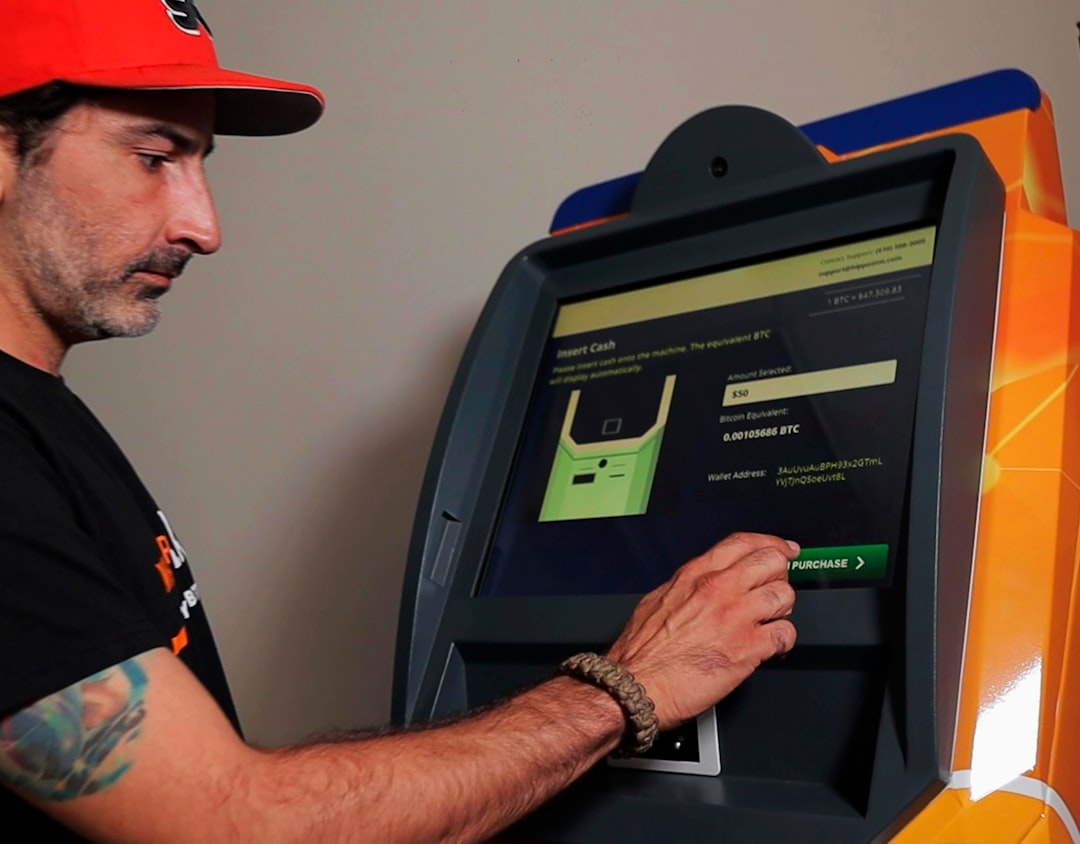
When designing self-service tools, the guiding principle should be clarity and simplicity. The best smart features are almost invisible because they eliminate confusion rather than introduce complexity.
Omnichannel Integration: Creating Seamless Journeys
A truly improved customer experience extends across channels. Smart integration ensures customers can move smoothly between:
- Mobile apps
- Websites
- Physical stores
- Customer support centers
- Social media platforms
For example, a customer might browse products on a mobile device, add items to a cart on a desktop computer, and finalize the purchase in-store. Smart systems synchronize data in real time, preventing frustration and repetition.
This omnichannel consistency builds trust. Customers feel recognized and valued rather than treated as anonymous transactions.
Comparison of Key Smart Features
Below is a simplified comparison of common smart features and their primary customer experience benefits:
| Smart Feature | Primary Function | Main Customer Benefit | Business Impact |
|---|---|---|---|
| AI Chatbots | Automated real-time support | 24/7 instant assistance | Reduced support costs |
| Personalization Engines | Tailored content and recommendations | Relevant, customized interactions | Higher conversion rates |
| Predictive Analytics | Behavior forecasting | Proactive problem prevention | Lower churn and risk |
| Smart Self-Service Tools | Independent problem resolution | Faster solutions, more control | Operational efficiency |
| Omnichannel Systems | Integrated cross-platform data | Seamless experience | Stronger brand loyalty |
The Human Element Still Matters
Despite the rise of automation, customer experience is not about replacing humans—it’s about augmenting them. Smart features should handle repetitive tasks and data processing so that human employees can focus on empathy, creativity, and complex problem-solving.
The most successful implementations combine:
- Technology for speed and scalability
- Human insight for emotional intelligence
- Continuous feedback for ongoing optimization
Customers still value genuine human interaction. Smart features should enhance that connection, not eliminate it.
Best Practices for Implementing Smart Features
Introducing intelligent technology into the customer journey requires careful planning. Businesses should follow several guiding principles:
- Start with customer pain points. Identify friction areas before implementing new tools.
- Ensure data privacy and security. Trust is foundational to positive experiences.
- Test and iterate continuously. Smart systems improve through feedback.
- Train teams properly. Employees must understand how to use and support new technologies.
- Measure meaningful metrics. Focus on customer satisfaction, retention, and lifetime value—not just automation rates.
When smart features are added without a clear strategy, they can create confusion rather than clarity. The emphasis should always remain on the customer’s needs and emotions.
The Future of Smart Customer Experiences
The next phase of innovation will likely include even more seamless integrations between artificial intelligence, augmented interfaces, and predictive automation. Imagine:
- Voice interfaces that understand nuanced emotional cues
- Augmented reality tools that guide purchases visually
- Hyper-personalized experiences based on real-time behavioral signals
As these technologies mature, the line between digital and physical experiences will continue to blur. Businesses that embrace intelligent features early—and use them responsibly—will be better positioned to meet rising expectations.
Conclusion
Customer experience improvements through smart features are not a luxury—they are a strategic necessity. From AI chatbots and predictive analytics to omnichannel integration and intelligent self-service, these tools reduce friction and deliver meaningful personalization at scale.
The ultimate goal is not simply automation, but empowered, satisfied customers. When businesses combine data-driven intelligence with human empathy, they create experiences that are efficient, engaging, and memorable. In today’s competitive landscape, that combination can make all the difference.