
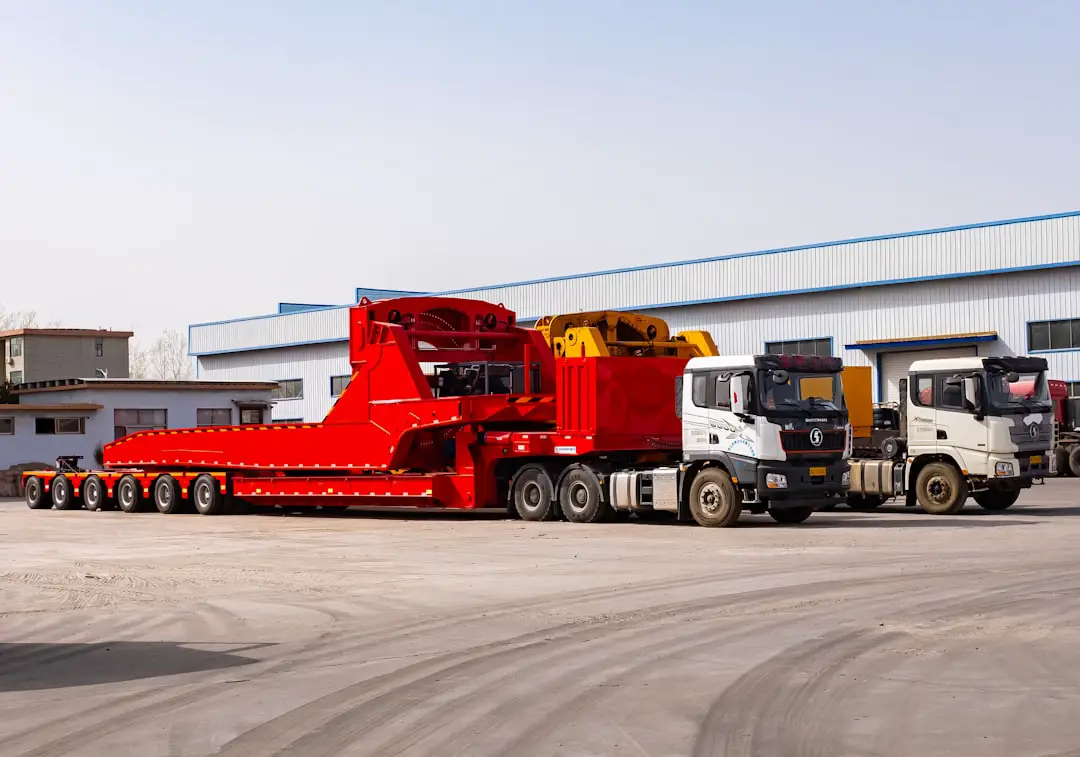
Large industrial clients operate in a world where logistics is not just a support function but a strategic advantage. Moving raw materials, heavy machinery, finished goods, and specialized equipment requires more than standard transportation solutions. It calls for comprehensive freight and trucking services designed to handle scale, complexity, regulatory requirements, and time sensitivity. Understanding how these services work helps industrial organizations optimize supply chains, control costs, and maintain operational continuity across regions and borders.
TLDR: Comprehensive freight and trucking services for large industrial clients combine multiple transport modes, advanced logistics planning, regulatory compliance, and technology-driven visibility. These solutions handle oversized cargo, hazardous materials, cross-border shipments, and high-volume distribution with precision and efficiency. By integrating customized routing, risk management, and real-time tracking, providers help industrial companies maintain reliable and cost-effective supply chains. Choosing the right logistics partner ensures scalability, compliance, and long-term operational resilience.
Understanding Comprehensive Freight Solutions
Comprehensive freight services go beyond basic point-to-point trucking. They encompass a wide range of integrated logistics capabilities tailored to the complex demands of large-scale industrial operations. These services are designed to manage:
- High-volume freight movements
- Oversized and heavy haul cargo
- Hazardous materials transport
- Time-sensitive deliveries
- Multi-modal transportation coordination
For industrial clients, freight solutions must align with production schedules, procurement cycles, and global distribution networks. This often means coordinating plant-to-warehouse, warehouse-to-distributor, and port-to-facility shipments while maintaining full visibility at every stage.
Core Components of Industrial Trucking Services
Industrial trucking services are structured to accommodate specialized requirements. These services typically include several key components that work together to create a seamless logistics ecosystem.
1. Full Truckload (FTL) and Dedicated Fleet Services
Full Truckload (FTL) services are ideal for industrial clients that regularly move large volumes of goods. With dedicated trailers and direct routes, FTL minimizes handling and reduces the risk of delays. Dedicated fleet services go a step further by assigning specific trucks and drivers exclusively to one client, ensuring consistent service levels and brand control.
2. Heavy Haul and Oversized Transport
Industrial operations often require moving equipment such as turbines, generators, prefabricated structures, or manufacturing lines. These shipments exceed standard legal dimensions and weights, necessitating specialized trailers like lowboys, multi-axle configurations, and extendable flatbeds.
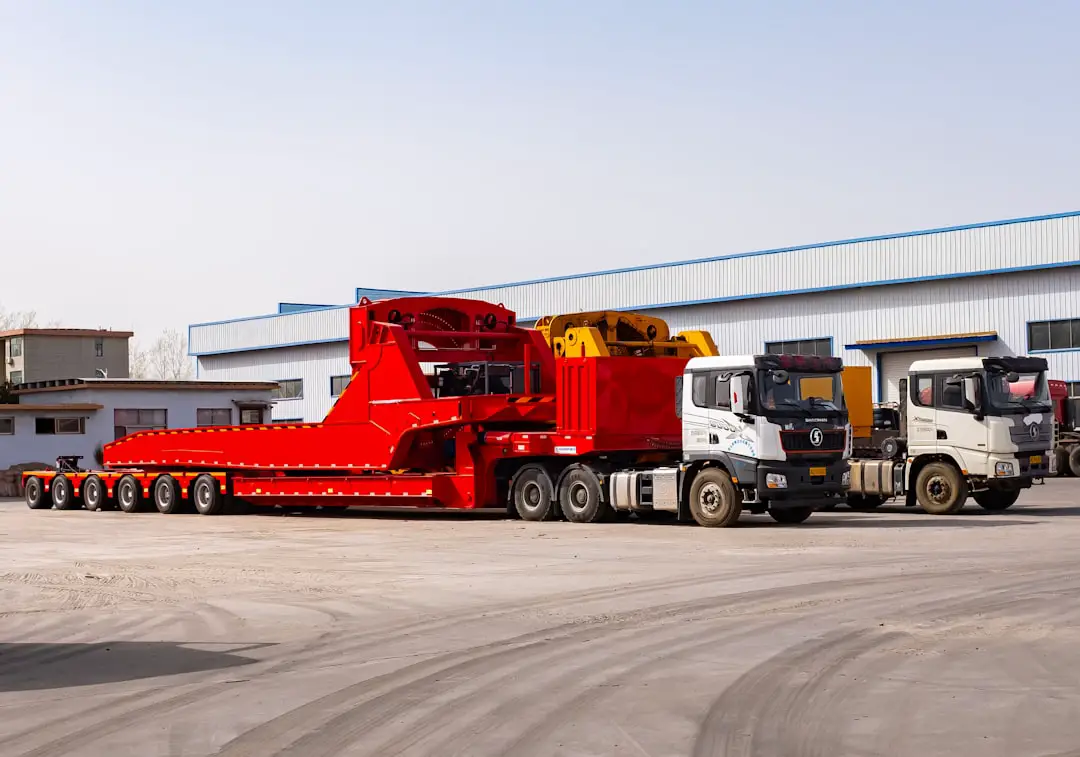
Heavy haul services include:
- Route surveys and feasibility studies
- Permit acquisition across jurisdictions
- Escort vehicle coordination
- Load engineering and securement planning
This level of planning ensures compliance with regulations while minimizing risk to infrastructure and cargo.
3. Intermodal and Multi-Modal Integration
Large industrial clients frequently operate across international markets. Comprehensive freight providers integrate truck, rail, sea, and air transport into unified solutions. Intermodal shipping reduces costs for long-haul moves while maintaining the flexibility of trucking for first- and last-mile delivery.
By combining modes, logistics providers can optimize transit times, reduce fuel consumption, and minimize carbon footprints.
Specialized Services for Industrial Needs
Industrial sectors such as energy, construction, mining, manufacturing, and chemicals require more than standardized transport. Providers must adapt to unique compliance and operational challenges.
Hazardous Materials Transport
Transporting hazardous materials involves strict regulatory frameworks. Comprehensive carriers maintain certified drivers, properly labeled equipment, and safety protocols aligned with national and international guidelines. Documentation accuracy, emergency preparedness, and secure handling are essential to avoid legal penalties and environmental incidents.
Temperature-Controlled Freight
Certain industrial materials, including chemicals and specialty products, require controlled temperature conditions. Advanced reefer fleets with real-time temperature monitoring ensure load integrity from origin to destination.
Project Logistics Management
Large industrial projects—such as factory construction or energy infrastructure development—often require synchronized movement of materials over months or years. Project logistics services include:
- Detailed logistics planning
- Staggered delivery scheduling
- On-site coordination teams
- Contingency and risk mitigation planning
This structured approach ensures that materials arrive exactly when needed, preventing costly downtime.
Technology and Visibility in Modern Freight
Digital transformation has significantly improved freight and trucking services. For large industrial clients, real-time visibility is no longer optional—it is essential. Modern providers offer technology platforms that integrate:
- GPS fleet tracking
- Electronic logging devices (ELDs)
- Automated billing systems
- Freight management dashboards
- Predictive analytics for route optimization
These tools allow logistics managers to monitor shipments in real time, predict delays due to weather or traffic, and make data-driven decisions.

Advanced analytics also help identify inefficiencies, optimize fuel usage, and measure carrier performance. For industrial clients operating at scale, even small improvements in transit efficiency can generate significant cost savings.
Regulatory Compliance and Risk Management
Industrial freight movements are subject to numerous regulations, including weight restrictions, environmental standards, customs documentation, and safety compliance. Comprehensive providers maintain in-house compliance teams to manage:
- Cross-border documentation and customs clearance
- International trade regulations
- Permitting for specialized loads
- Insurance coverage and claims management
Risk management strategies may include route diversification, cargo insurance customization, and contingency plans for delays or accidents. For large industrial firms, mitigating risk is critical to maintaining production continuity and contractual obligations.
Scalability and Capacity Planning
Industrial clients often face fluctuating demand driven by seasonal cycles, commodity markets, or large-scale projects. Comprehensive freight providers offer scalable solutions that adapt to:
- Sudden production increases
- Market expansions into new regions
- Temporary storage and warehousing requirements
- Rapid deployment needs for emergency repairs
Capacity planning tools and long-term carrier partnerships ensure that additional trucks, trailers, and drivers are available when demand spikes. This agility enables industrial firms to respond quickly without overinvesting in their own fleet infrastructure.
Cost Optimization Strategies
Freight costs represent a significant portion of operational expenses for industrial enterprises. Comprehensive services focus on optimizing total landed cost rather than just base freight rates. Strategies include:
- Route consolidation to reduce empty miles
- Backhaul utilization to improve equipment efficiency
- Freight auditing to eliminate billing discrepancies
- Long-term contracts for stable pricing
By analyzing shipment data and forecasting demand, providers can recommend consolidated shipments and alternative routing methods that reduce fuel consumption and toll expenses.
Sustainability in Industrial Freight
Environmental responsibility has become a priority for large industrial organizations. Comprehensive carriers are increasingly investing in:
- Fuel-efficient vehicles
- Alternative fuel technologies
- Carbon emissions tracking
- Optimized route planning to minimize fuel usage
Sustainable freight practices not only support corporate social responsibility goals but also lower operational costs through improved efficiency.
The Importance of Strategic Partnerships
For large industrial clients, selecting a freight and trucking partner is a strategic decision. Beyond transportation, providers become extensions of internal supply chain teams. A successful partnership is characterized by:
- Transparent communication
- Performance metrics and reporting
- Service level agreements
- Collaborative problem-solving
Long-term collaboration leads to deeper operational understanding, improved service customization, and stronger resilience in times of disruption.
Conclusion
Comprehensive freight and trucking services are foundational to the success of large industrial operations. By integrating specialized transport equipment, advanced technology, regulatory expertise, and scalable capacity planning, these services deliver operational stability and competitive advantage. Industrial clients benefit from improved visibility, risk management, and cost efficiency across domestic and international supply chains. In complex industrial environments, logistics is not merely about moving goods—it is about ensuring production continuity, regulatory compliance, and long-term strategic growth.
Frequently Asked Questions (FAQ)
1. What makes freight services “comprehensive” for industrial clients?
Comprehensive services combine multiple transportation modes, specialized equipment, regulatory management, real-time tracking, and project coordination under a unified logistics framework tailored to large-scale industrial demands.
2. How do trucking providers handle oversized industrial equipment?
They use specialized trailers, conduct route surveys, obtain necessary permits, coordinate escort vehicles, and develop engineered load securement plans to ensure safe and compliant transport.
3. Why is real-time visibility important for industrial freight?
Real-time visibility allows logistics managers to monitor shipments, anticipate delays, manage inventory more accurately, and avoid production disruptions caused by late deliveries.
4. Are comprehensive freight services suitable for international shipping?
Yes. Many providers integrate trucking with rail, maritime, and air transport, while also managing customs clearance and international regulatory compliance.
5. How can large industrial companies reduce freight costs?
Cost reduction strategies include route optimization, freight consolidation, maximizing backhauls, negotiating long-term contracts, and leveraging data analytics for demand forecasting.
6. What industries benefit most from these services?
Industries such as energy, mining, manufacturing, construction, chemicals, and heavy machinery production benefit significantly due to their complex, high-volume logistics requirements.