
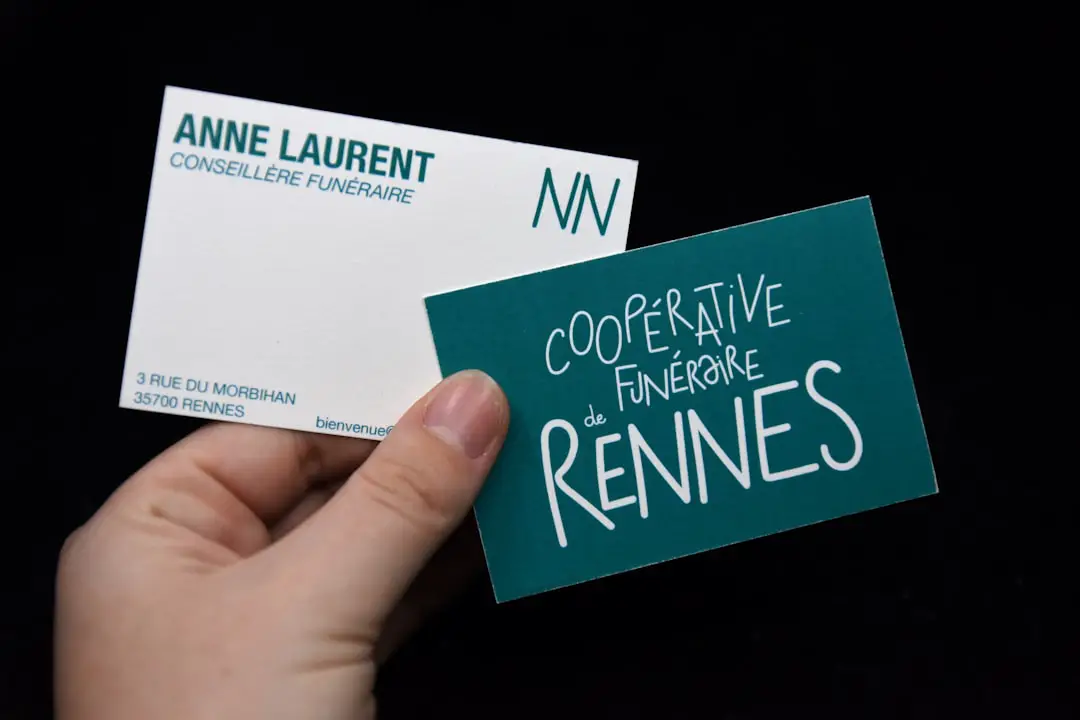
In a world where digital communication dominates, the humble business card still plays a powerful role in shaping first impressions. A well-designed card does more than share contact details—it reinforces your brand identity, communicates professionalism, and ensures that every interaction leaves a consistent visual mark. However, not all business card makers are created equal. The right platform can safeguard your fonts, colors, logos, and layouts across every team member and every new print run.
TLDR: Business card makers that prioritize brand consistency help businesses maintain unified colors, typography, and design standards across teams. Tools like Canva, Adobe Express, Vistaprint, Moo, and Brandly offer brand kits, centralized asset libraries, and team controls to prevent design inconsistencies. Choosing the right solution depends on your company size, customization needs, and workflow preferences. A consistent business card isn’t just paper—it’s a portable extension of your brand.
Why Brand Consistency Matters on Business Cards
Your business card is often the first tangible representation of your company. When branding elements differ across employees—slightly altered logos, mismatched colors, inconsistent fonts—it sends mixed signals. Over time, these inconsistencies can dilute brand recognition and weaken credibility.
Brand consistency builds trust. When every visual interaction follows the same style guide, clients begin to associate your colors and layout with reliability. Internally, standardized design processes also reduce errors and save time.
Key elements that must remain consistent include:
- Logo placement and spacing
- Exact brand color codes (CMYK, RGB, or Pantone)
- Typography and font hierarchy
- Paper quality and finishing styles
- Contact information structure
What to Look for in a Brand-Consistent Business Card Maker
Before selecting a platform, consider the features that directly impact brand alignment.
1. Brand Kits and Asset Libraries
The best platforms allow you to upload:
- Official logos
- Approved fonts
- Color palettes
- Branded templates
This ensures every team member pulls from a controlled visual system instead of improvising.
2. Template Locking Capabilities
Template locking restricts editing of critical design elements like logos and colors while still allowing users to modify their personal details. This is especially important for growing teams.
3. Centralized Ordering and Permissions
Enterprise-friendly tools provide admin dashboards where marketing teams can approve designs before printing. This reduces rogue variations and protects your identity standards.
4. High-Quality Printing and Finishes
Consistency isn’t just visual—it’s tactile. Cards should maintain the same thickness, finish, and embossing style across all orders.
Top Business Card Makers That Maintain Branding Standards
1. Canva for Teams
Best for: Small to medium-sized businesses seeking flexibility with control.
Canva’s Brand Kit feature allows companies to upload primary and secondary color palettes, set typography rules, and store logo variations. With Canva for Teams, administrators can create locked templates so employees only update personal details.
Standout features:
- Brand kit with multiple palettes
- Shared team folders
- Template locking
- Affordable pricing
Its intuitive interface makes it easy for non-designers to maintain professional standards without sacrificing creativity.
2. Adobe Express
Best for: Design-focused businesses invested in Adobe’s ecosystem.
Adobe Express integrates seamlessly with Creative Cloud Libraries. This means your corporate colors, vector logos, and typography can be synced across platforms.
Standout features:
- Creative Cloud integration
- Advanced typography control
- High-end customization
- Brand library management
3. Vistaprint
Best for: Businesses that want printing reliability with light customization.
Vistaprint offers consistent printing quality and simple template systems. While design flexibility may be more limited, it ensures dependable results across multiple orders.
Standout features:
- Reliable print quality
- Wide variety of finishes
- Reorder consistency
- Verified preview system
For companies prioritizing standardized printing over deep design control, Vistaprint is a safe choice.
4. Moo
Best for: Premium branding and tactile differentiation.
Moo is known for luxurious finishes, thick cardstock, and vibrant color fidelity. The platform allows businesses to maintain visual consistency while experimenting with texture and detail.
Standout features:
- Pantone color matching
- Premium stock options
- Consistent color accuracy
- Team ordering solutions
5. Brandly
Best for: Larger organizations with strict brand governance needs.
Brandly focuses explicitly on brand control. Companies upload corporate guidelines, lock templates, and manage employee details centrally.
Standout features:
- Enterprise-level template locking
- Approval workflows
- Centralized bulk ordering
- Asset protection

Comparison Chart: Brand-Focused Business Card Makers
| Platform | Brand Kit | Template Locking | Print Quality | Best For |
|---|---|---|---|---|
| Canva for Teams | Yes | Yes | Good | SMBs wanting flexibility |
| Adobe Express | Yes | Partial | High | Design-driven companies |
| Vistaprint | Limited | No | Reliable | Consistent reorders |
| Moo | Yes | Limited | Premium | Luxury branding |
| Brandly | Advanced | Yes | High | Large enterprises |
How to Implement Business Card Brand Controls Internally
Even with the right tool, companies must establish clear procedures.
Create a Mini Brand Guide for Cards
This should define:
- Logo size and margins
- Primary and secondary colors
- Font pairings
- Layout structure
Assign Approval Authority
Someone in marketing or brand management should review initial card designs before employees place orders.
Limit DIY Design Changes
While creativity is valuable, unrestricted design edits can quickly fragment brand identity. Pre-approved templates solve this problem.
Digital Consistency Meets Physical Branding
In 2026, branding extends beyond print. QR codes linking to consistent landing pages, LinkedIn profiles, or digital portfolios are becoming standard. The best business card makers allow you to integrate these digital elements while maintaining layout cleanliness.
When physical and digital branding align, you create a seamless experience—from handshake to homepage.
The Long-Term Impact of Consistency
When every employee card looks cohesive, several long-term benefits emerge:
- Stronger brand recall
- Increased professionalism
- Reduced design rework costs
- Smoother onboarding processes
- Centralized asset management
Brand inconsistency may seem minor in isolation, but multiplied across dozens or hundreds of employees, it becomes noticeable. Consistent cards reinforce a unified identity at conferences, networking events, and client meetings.
Final Thoughts
Business card makers that prioritize brand consistency aren’t just design tools—they’re strategic assets. Whether you’re a startup building recognition or an established enterprise maintaining global standards, selecting the right platform ensures every handshake is backed by a cohesive visual identity.
A business card may be small, but its branding power is enormous. Choose a maker that protects your colors, locks your templates, and empowers your team without compromising your identity. Because when your brand looks consistent, it feels consistent—and that consistency builds trust.