
Choosing enterprise WordPress hosting for multi-site and multilingual networks is not simply a matter of buying more server capacity. Large WordPress networks require predictable performance, strong governance, regional delivery, advanced caching, reliable deployment workflows, and vendor support that understands complex content operations. The right platform should help your organization scale without sacrificing security, editorial control, or user experience across markets.
TLDR: The best enterprise WordPress hosting for multi-site and multilingual networks usually comes from providers that combine managed WordPress expertise with global infrastructure, enterprise-grade security, and strong developer tooling. WordPress VIP, WP Engine Enterprise, Kinsta Enterprise, Pagely, and Pantheon are among the strongest options, depending on your governance model, traffic profile, and technical requirements. For international networks, prioritize CDN quality, data center coverage, localization workflows, staging environments, and support for WordPress Multisite or multilingual plugins. The best choice is the one that aligns hosting architecture with your organization’s publishing, compliance, and growth strategy.
Why Enterprise Hosting Matters for Complex WordPress Networks
A standard WordPress hosting plan may work well for a single marketing site, but a network of regional sites, brand microsites, or multilingual publications introduces a different level of complexity. You may need to serve visitors in multiple countries, manage dozens or hundreds of subsites, translate content, support different editorial teams, and maintain consistent performance under unpredictable traffic spikes.
Enterprise hosting is designed for these pressures. It usually includes dedicated architecture, advanced object caching, managed CDN integration, web application firewalls, proactive monitoring, automated backups, disaster recovery options, and specialist support. For organizations where downtime can damage revenue or reputation, these capabilities are operational necessities rather than luxuries.
Image not found in postmetaWhat to Look for in Enterprise WordPress Hosting
Before comparing providers, it is important to define the requirements that matter most for a multi-site and multilingual environment. The best platform should meet both technical and organizational needs.
- WordPress Multisite support: The host should understand network administration, domain mapping, shared plugin management, and scaling challenges across many subsites.
- Multilingual compatibility: Look for reliable support for tools such as WPML, Polylang, TranslatePress, or custom localization workflows.
- Global performance: A strong CDN, edge caching, and strategically located data centers are essential for international audiences.
- Security and compliance: Enterprise networks need malware protection, DDoS mitigation, access controls, audit logs, SSO options, and compliance support where applicable.
- Developer workflows: Staging, version control integration, deployment pipelines, SSH access, Git workflows, and database tools are important for serious teams.
- Scalability: The host should handle traffic surges, high media usage, large databases, and simultaneous editorial activity.
- Support quality: Enterprise support should be fast, senior, and WordPress-specific, not generic server support.
1. WordPress VIP: Best for Mission-Critical Publishing and Governance
WordPress VIP is one of the most respected enterprise WordPress platforms, especially for major publishers, large enterprises, government-adjacent organizations, and brands that require rigorous governance. It is built for organizations where WordPress is not just a website platform but a core publishing and business infrastructure.
VIP is particularly strong for large multi-site networks because it emphasizes code review, performance standards, security practices, and operational discipline. Its infrastructure is designed for high availability and large-scale content delivery. For multilingual organizations with strict editorial workflows, VIP can be an excellent fit when paired with a mature translation architecture.
The main consideration is that WordPress VIP is not the cheapest or most flexible option for every team. Its managed approach introduces standards and controls that may feel restrictive to smaller or less technical organizations. However, for enterprises that value stability, governance, and long-term reliability, it is one of the strongest choices available.
2. WP Engine Enterprise: Best All-Around Managed WordPress Platform
WP Engine Enterprise is a strong choice for companies that need a balance of performance, ease of management, developer tools, and enterprise support. It is widely used by agencies, global brands, and organizations managing multiple WordPress properties.
WP Engine supports complex WordPress deployments and offers features such as staging environments, automated backups, caching, CDN integration, security monitoring, and developer-friendly workflows. Its platform is particularly attractive for teams that need to manage several websites without building and maintaining cloud infrastructure themselves.
For multilingual networks, WP Engine can perform well when configured properly with caching rules, a reliable CDN, and tested multilingual plugins. Organizations using WPML or similar tools should validate cache behavior, database performance, and translation workflow compatibility before finalizing architecture.
Best fit: Enterprises, agencies, and marketing teams that want managed WordPress hosting with strong usability, support, and scalable infrastructure.
3. Kinsta Enterprise: Best for Performance-Focused Global Networks
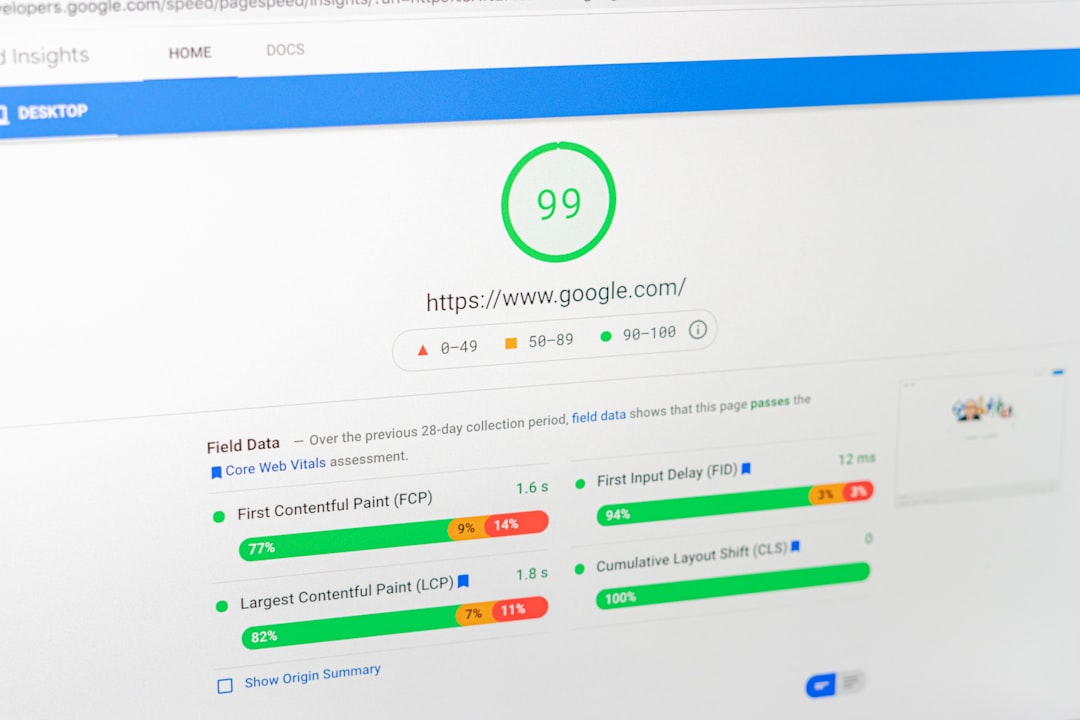
Kinsta Enterprise is built on Google Cloud infrastructure and is known for strong performance, modern tooling, and a clean management experience. Its use of premium cloud architecture makes it appealing for organizations with international traffic and performance-sensitive websites.
Kinsta offers a global network of data center options, integrated CDN capabilities, edge caching, application performance monitoring, and strong isolation between sites. This is valuable for multi-site or multi-brand organizations because performance issues on one property are less likely to affect others when the architecture is configured well.
For multilingual WordPress sites, Kinsta can be a strong option because of its global infrastructure and support for popular translation plugins. However, as with any provider, large multilingual databases should be carefully optimized. Translation tables, media libraries, redirects, and taxonomy structures can become heavy over time, so database performance and caching strategy matter.
Best fit: International businesses that prioritize speed, modern infrastructure, and a polished hosting experience.
4. Pagely: Best for Custom AWS-Based Enterprise Architecture
Pagely is a premium managed WordPress host built on Amazon Web Services. It is often chosen by enterprise teams that need more customized infrastructure, strong scalability, and access to the broader AWS ecosystem. Pagely is a serious option for organizations with unusual requirements or high-traffic WordPress networks.
Its AWS foundation allows for sophisticated enterprise architecture, including advanced redundancy, elastic scaling, and custom configurations. This can be especially useful for multi-site networks that serve many regions, run complex integrations, or experience major traffic bursts from campaigns, news events, or seasonal demand.
Pagely is not aimed at beginners. It is best suited for organizations with technical stakeholders who can participate in architecture planning. For multilingual WordPress networks that require custom caching rules, regional delivery, API integrations, or advanced security, Pagely’s flexibility can be a major advantage.
Best fit: Technically mature enterprises needing customized, scalable WordPress hosting on AWS.
5. Pantheon: Best for Developer Workflow and Structured Operations
Pantheon is known for its structured WebOps approach, offering strong development, testing, and deployment workflows. It supports WordPress and Drupal, making it well suited for organizations with formal development processes and multiple stakeholders involved in site delivery.
Pantheon’s platform includes separate development, test, and live environments, version control workflows, automated backups, performance tooling, and scalable infrastructure. For teams managing many sites, this structure can reduce deployment risk and improve operational consistency.
For multi-site and multilingual networks, Pantheon is strongest when development discipline is a priority. It can help teams avoid the common problem of ad hoc changes being made directly in production. That matters for enterprises where regional marketing teams, central IT, external agencies, and compliance teams all touch the same ecosystem.
Best fit: Organizations that value disciplined development workflows, controlled deployments, and multi-team collaboration.
Key Challenges in Multi-Site and Multilingual WordPress Hosting
Even the best hosting provider cannot automatically solve every architectural problem. Multi-site and multilingual WordPress networks require careful planning. A poorly structured network can become difficult to maintain, even on premium infrastructure.
- Database growth: Multilingual content can multiply posts, metadata, taxonomies, and plugin data. This increases query complexity and backup size.
- Cache variation: Language, currency, location, and user role can all affect caching. Incorrect cache rules may show users the wrong content.
- Plugin governance: In a multisite network, one poorly coded plugin can affect many sites. Enterprise teams need approval processes.
- Editorial permissions: Regional teams may need autonomy while global administrators retain oversight.
- SEO structure: hreflang tags, translated slugs, canonical URLs, and regional domains must be handled carefully.
- Compliance: Cookie consent, privacy rules, data residency, and accessibility requirements may differ across markets.

Recommended Hosting Choice by Use Case
There is no single best host for every enterprise WordPress network. The most responsible selection depends on business requirements, technical maturity, and risk tolerance.
- For global publishers and highly governed enterprises: Choose WordPress VIP.
- For a balanced enterprise managed hosting experience: Choose WP Engine Enterprise.
- For performance-driven international websites: Choose Kinsta Enterprise.
- For custom enterprise architecture on AWS: Choose Pagely.
- For structured development and deployment workflows: Choose Pantheon.
Questions to Ask Before Signing a Contract
Enterprise hosting agreements should be evaluated carefully. Before committing, ask detailed questions about architecture, service levels, and operational responsibilities.
- Does the platform officially support WordPress Multisite at the scale you require?
- How does the provider handle multilingual caching and geo-specific content?
- What are the guaranteed response times for enterprise support?
- Are backups, restores, and disaster recovery tested regularly?
- Can the host support your preferred deployment workflow?
- What security controls are included by default, and what costs extra?
- How are traffic spikes, bot traffic, and DDoS events managed?
- Are there limits on visits, bandwidth, PHP workers, storage, or database size?
Final Recommendation
The best enterprise WordPress hosting for multi-site and multilingual networks is the one that combines technical scalability, operational reliability, and governance maturity. For organizations where publishing continuity, security, and global performance are critical, providers such as WordPress VIP, WP Engine Enterprise, Kinsta Enterprise, Pagely, and Pantheon deserve serious consideration.
If your organization needs the highest level of governance and mission-critical reliability, WordPress VIP is often the strongest candidate. If you want a practical balance of managed hosting, usability, and enterprise capability, WP Engine Enterprise is a dependable option. If global speed and modern cloud infrastructure are top priorities, Kinsta Enterprise should be high on the shortlist. For custom AWS architecture, consider Pagely, and for disciplined WebOps workflows, consider Pantheon.
Ultimately, hosting should be selected only after mapping your site network, language structure, editorial model, compliance obligations, traffic patterns, and development process. A serious enterprise WordPress platform should not merely keep your sites online; it should support your organization’s ability to publish, localize, secure, and scale digital experiences with confidence.