
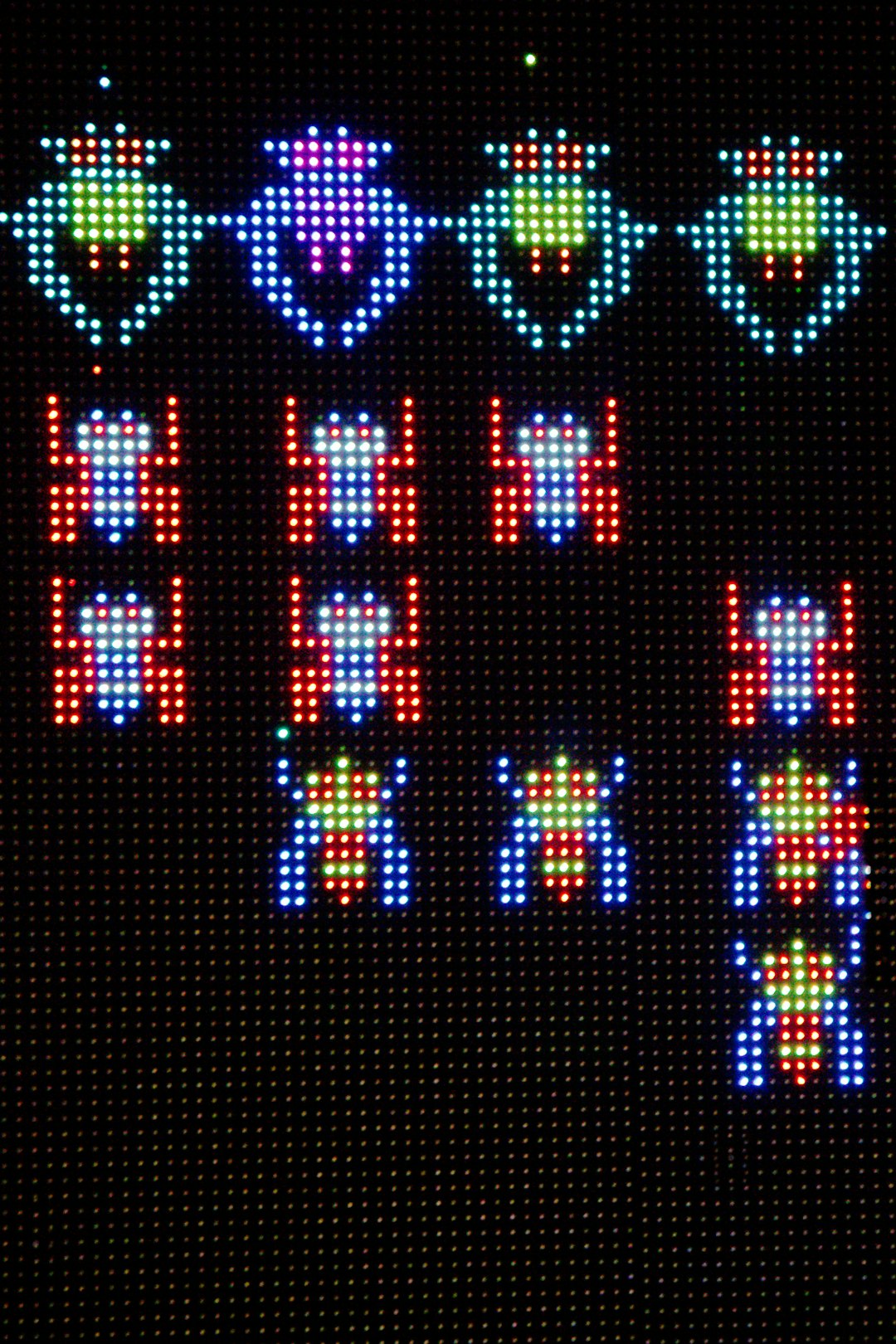
Google turned a normal image search into a tiny arcade game, and people still remember it because it was simple, silly, and shockingly fun. You typed Atari Breakout into Google Images. The pictures snapped into rows of bricks. A paddle appeared. Then your quick search became a game.
TLDR: The Atari Breakout trick in Google Images was a hidden game based on the 1976 arcade hit Breakout. Google added it in 2013, and it became a famous web Easter egg because users found it by doing something normal: searching. For example, a student looking up retro game art could lose 8 minutes clearing image “bricks” instead of downloading one picture. If 100 people in an office found it during lunch, at least 60 would probably say, “Wait, let me try one more round.”
What Was the Atari Breakout Google Images Easter Egg?
The Atari Breakout Easter egg was a hidden playable game inside Google Images. It worked like this. You searched for Atari Breakout. Google loaded image results. Then the images turned into colorful blocks.
Your mouse controlled a paddle at the bottom of the screen. A ball bounced upward. Each image block broke when the ball hit it. If the ball slipped past your paddle, you lost a life.
That was it. No login. No download. No app. Just a search box and a surprise.
Honestly, it feels like the best kind of internet trick. It did not ask for your email. It did not open a pop up. It just stole five minutes from you and smiled.

Why Did Google Make It?
Google released the Easter egg in 2013 to honor Breakout, the classic Atari arcade game from 1976. The original game was simple. Break blocks. Keep the ball alive. Chase a higher score.
That made it perfect for a browser surprise. It was easy to understand in seconds. It also fit Google Images in a clever way. Image thumbnails already looked like neat little tiles. So Google turned those tiles into bricks.
The result felt obvious after you saw it. But that is the trick. Great Easter eggs feel easy. Someone still had to think of it first.
Why It Became So Popular
The Easter egg spread fast because it had almost no barrier. You did not need a gaming PC. You did not need instructions. You only needed curiosity.
It also had three magic ingredients:
- Surprise: Users expected pictures. They got a game.
- Nostalgia: Older users remembered arcades. Younger users got a quick retro toy.
- Shareability: It was easy to tell a friend. “Search Atari Breakout in Images.” Done.
That last part mattered a lot. Some web features need a long explanation. This one needed five words. That made it perfect for chats, blogs, classrooms, and bored office breaks.
How the Game Worked
The Google version copied the core idea of Breakout. The player controls a paddle. A ball bounces around. The goal is to smash all the blocks.
In the Google Images version, the blocks were image results. That was the funny part. You were not breaking generic bricks. You were breaking tiny pictures related to Atari, Breakout, and retro games.
Here is the basic flow:
- Search Atari Breakout in Google Images.
- Watch the image grid change into blocks.
- Move your mouse to control the paddle.
- Keep the ball from falling.
- Clear the blocks and chase a better score.
Simple games age well. This one proved it again.
Can You Still Play It?
Here is the annoying part. The original feature no longer works the same way on regular Google Images for many users. You may search the phrase and just get pictures. No paddle. No ball. No tiny joy.
That can feel a bit rude. You expect a secret door. You get a normal search page that loads about 2 seconds faster than your disappointment.
Still, the game is not gone from internet memory. Mirror sites and fan pages have kept versions of it alive. One of the best known is the Google mirror site often called elgooG. It hosts many older Google-style Easter eggs and playful tools.
So, if the main Google Images page does not work, do not panic. The idea lives on. The original search trick may be retired, but the legend is still playable in other places.

Why Web Easter Eggs Work So Well
A web Easter egg is a hidden joke, feature, or game. It rewards people for trying something odd. Sometimes you type a phrase. Sometimes you click a logo. Sometimes you wait on a page and something strange happens.
Good Easter eggs make software feel human. They say, “Yes, real people made this.” That matters. Most websites feel stiff. Many feel like forms wearing shoes. A hidden game breaks that mood.
Atari Breakout worked because it did not interrupt the main job of Google Images. If you searched for cats, you got cats. If you searched for laptops, you got laptops. But if you searched for the magic phrase, you earned a tiny arcade.
That is a smart balance. Fun should not block the tool. It should sit beside it, waiting to be found.
A Quick History of Breakout
Breakout came from Atari in 1976. It was inspired by Pong, but it added a new goal. Instead of hitting a ball past another player, you used the ball to break a wall.
The arcade cabinet was simple. One knob. One screen. One job. Break everything.
The game became a classic because it made failure feel fair. When you missed the ball, you knew why. You moved too early. Or too late. So you tried again.
That “one more try” feeling is powerful. Google borrowed it well. A search page became a mini arcade cabinet, sitting inside your browser.
What Made This Easter Egg Different?
Google has made many fun tricks. Search for certain phrases, and the page may spin, tilt, or show a joke. Those are fun. But many last only a few seconds.
Atari Breakout gave users something to do. It had input. It had score. It had risk. It had replay value.
That made the experience stick in memory. People did not just see it. They played it.
Here is why that matters:
- Seeing a joke is fun for 10 seconds.
- Playing a game can hold attention for 5 minutes or more.
- Sharing a hidden game turns users into messengers.
A tiny game can build a big story.
Why People Still Talk About It
The Atari Breakout Easter egg came from a sweeter era of the web. Or at least it feels that way. There were fewer cookie panels. Fewer forced signups. Fewer huge banners asking you to subscribe before you had read one sentence.
This feature asked for nothing. That is why people liked it.
It also showed how playful a giant tech company could be. Google Images was not built to be an arcade. Yet for a short time, it became one. That mismatch made the trick funny.
Lessons From the Atari Breakout Easter Egg
There are useful lessons here for designers, writers, and product teams.
- Keep it simple. People should understand the surprise fast.
- Use what is already on the page. Google used image thumbnails as bricks.
- Make sharing easy. A short phrase helped the trick spread.
- Respect the main task. The game only appeared for a specific search.
- Add emotion. Nostalgia made the feature feel warm.
The best Easter eggs do not need a manual. They need a smile.
The Lasting Charm of a Hidden Game
Atari Breakout in Google Images became famous because it turned a routine action into play. It surprised people at the exact moment they expected boring results. That contrast made it memorable.
It also proved that small features can have long lives. The game was not a major product. It did not change search forever. But people still write about it, search for it, and ask if it works.
That is the charm of a good web Easter egg. It hides in plain sight. Then it jumps out, hands you a paddle, and dares you to waste just one more minute.