
Smaller AWG numbers mean thicker wire, lower resistance, and higher current capacity. That is the rule to remember before choosing a cable for a circuit, speaker run, battery lead, solar setup, or electronics project. A 10 AWG copper wire is much thicker than a 16 AWG wire, so it wastes less energy as heat and can usually carry more current safely.
What AWG Actually Means
American Wire Gauge, or AWG, is a standard system for measuring the diameter of round electrical conductors. It is used heavily in North America for copper and aluminum wire. The odd part is the numbering. A higher number means a smaller wire. A lower number means a larger wire.
So, 18 AWG is thinner than 12 AWG. And 4 AWG is much thicker than both. Honestly, it feels backward the first time you see it, and it still annoys plenty of people years later.
The system came from wire manufacturing. Historically, the number represented how many drawing steps were used to reduce a wire to a final size. More drawing steps meant a thinner wire. That history stuck, even if the numbering now feels upside down.
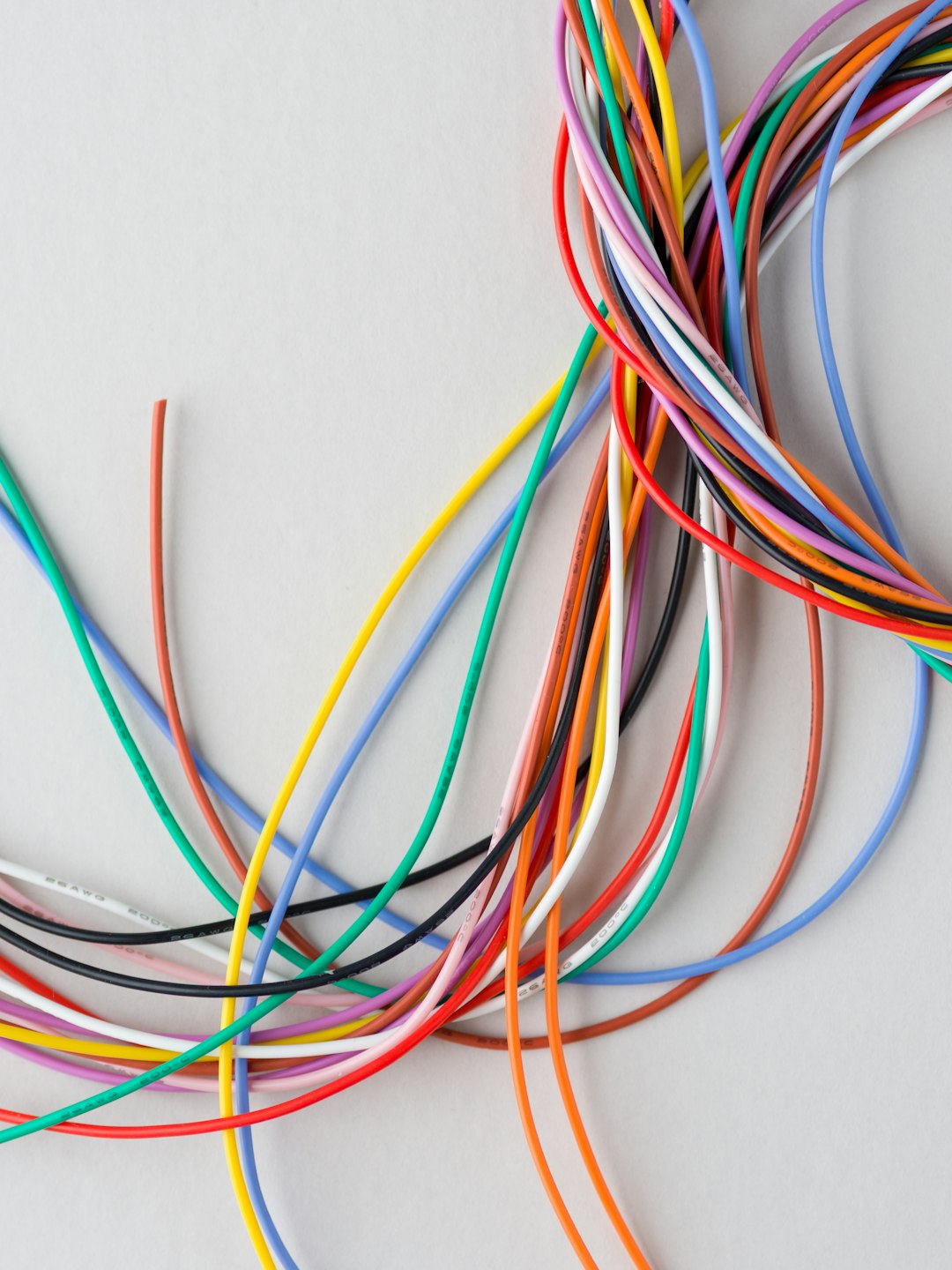
The Gauge Number Controls Diameter
AWG is not random. Each step in gauge changes the wire diameter by a fixed ratio. Going down one gauge size increases diameter by about 12.2%. Going up one gauge size decreases diameter by the same pattern.
That may sound small, but it adds up fast. A change of three gauge sizes nearly doubles the wire’s cross-sectional area. Since electrical performance depends heavily on area, even a few AWG sizes can make a real difference.
- Higher AWG number: smaller diameter, higher resistance, lower current capacity.
- Lower AWG number: larger diameter, lower resistance, higher current capacity.
- Three gauge sizes lower: about twice the conductor area.
- Six gauge sizes lower: about four times the conductor area.
For example, 14 AWG copper wire has a diameter of about 1.63 mm. A 10 AWG copper wire is about 2.59 mm in diameter. That does not sound huge, but the 10 AWG conductor has about 2.5 times the cross-sectional area of 14 AWG.
Why Diameter Changes Resistance
Electrical resistance is the wire’s opposition to current flow. Thin wire has less metal for electrons to move through, so resistance is higher. Thick wire gives current more room, so resistance is lower.
Resistance matters because it creates heat and voltage drop. When current flows through a wire, some electrical energy is lost as heat. The thinner or longer the wire, the worse this gets.
Here is the basic relationship:
- Longer cable: more resistance.
- Smaller conductor: more resistance.
- Higher current: more heat and voltage drop.
- Larger conductor: less wasted energy.
This is why a cable that works fine at 3 ft can be a poor choice at 50 ft. Length multiplies the problem. It drives me crazy that many product listings show the gauge but hide the actual conductor material or length rating until the fine print. That missing detail can cost you voltage, heat, and time.
Common AWG Sizes and Resistance
The table below shows typical copper wire resistance at about 20°C. Real values can shift with temperature, stranding, and manufacturing tolerances, but these numbers are useful for planning.
| AWG Size | Approx. Diameter | Resistance per 1,000 ft | Common Use |
|---|---|---|---|
| 18 AWG | 1.02 mm | 6.39 ohms | Signals, LEDs, small electronics |
| 16 AWG | 1.29 mm | 4.02 ohms | Speakers, low-current DC wiring |
| 14 AWG | 1.63 mm | 2.53 ohms | 15 amp household circuits |
| 12 AWG | 2.05 mm | 1.59 ohms | 20 amp household circuits |
| 10 AWG | 2.59 mm | 1.00 ohm | 30 amp circuits, chargers, long runs |
| 6 AWG | 4.11 mm | 0.40 ohms | Large loads, battery cables, subpanels |

AWG and Electrical Capacity
Electrical capacity is usually called ampacity. It means how much current a wire can carry without overheating under defined conditions. Gauge is a major factor, but it is not the only one.
A thicker wire can carry more current because it has lower resistance and more metal to spread heat. Still, safe ampacity also depends on the insulation type, ambient temperature, conduit fill, bundling, and whether the wire is copper or aluminum.
For common copper building wire in many residential settings, these are familiar reference points:
- 14 AWG copper: often used for 15 amp circuits.
- 12 AWG copper: often used for 20 amp circuits.
- 10 AWG copper: often used for 30 amp circuits.
- 8 AWG copper: often used for heavier loads, depending on installation rules.
Do not treat those numbers as universal permission. Electrical codes vary by location and application. Equipment terminals also have temperature ratings. A wire may physically handle more current in open air than it is allowed to carry inside a wall or conduit.
Voltage Drop: The Problem People Notice Late
Voltage drop is often the real reason to choose a thicker cable. A wire may be safe from overheating but still perform badly because too much voltage is lost along the run.
Say you run a 12 volt LED strip that draws 8 amps over a long cable. With wire that is too small, the strip may look dim or uneven. The power supply may be fine. The LEDs may be fine. The cable is the weak link.
Low-voltage systems are especially sensitive. Losing 1 volt on a 120 volt circuit is less than 1%. Losing 1 volt on a 12 volt circuit is over 8%. That is why cars, boats, RVs, solar gear, and battery systems often need thicker wire than beginners expect.
Copper vs Aluminum AWG
AWG describes size, not material. A 6 AWG copper wire and a 6 AWG aluminum wire are similar in physical size, but they do not carry current the same way. Aluminum has higher resistance than copper. To carry the same current with similar voltage drop, aluminum usually needs to be larger.
That is why large feeders may use aluminum in bigger gauges. Aluminum is lighter and often cheaper, but it needs proper connectors, anti-oxidation practices where required, and careful torque on terminals. Mixing materials casually is a great way to create hot spots.
Solid vs Stranded Wire
AWG can apply to both solid and stranded conductors. A solid conductor is one piece of metal. A stranded conductor is made from many smaller wires bundled together.
Stranded wire is more flexible, so it is common in extension cords, vehicles, test leads, robotics, and moving equipment. Solid wire is common in fixed building wiring because it holds shape and fits certain terminals well.
For the same AWG size, the total copper area should be roughly equivalent. However, stranded cable may have a slightly larger outside diameter because of small air gaps between strands and thicker insulation.
How to Choose the Right AWG
Start with current, length, voltage, and environment. Guessing by appearance is risky. Two cables can look similar from the outside yet have very different conductor sizes inside.
- Find the current draw. Use amps, not watts, when sizing wire directly.
- Measure the full circuit length. For DC systems, include the outgoing and return path.
- Check voltage drop. Aim for a small percentage, often around 3% for sensitive loads.
- Confirm ampacity. Use the correct code table or equipment manual.
- Check the insulation rating. Heat, oil, sunlight, moisture, and abrasion matter.
- Verify copper or aluminum. Do not assume.
As a practical rule, if a cable run is long or the load is near the limit, move to a thicker wire. The cost increase is often small compared with the pain of rewiring later.
The Simple Way to Remember AWG
Lower AWG equals bigger wire. Bigger wire means lower resistance. Lower resistance means less heat, less voltage drop, and more usable electrical capacity.
If you remember only one pattern, remember this: dropping three AWG sizes nearly doubles conductor area. So moving from 14 AWG to 11 AWG is not a tiny upgrade. It is a major increase in copper. That is the hidden power of the AWG scale, even if its numbering feels backward at first.