
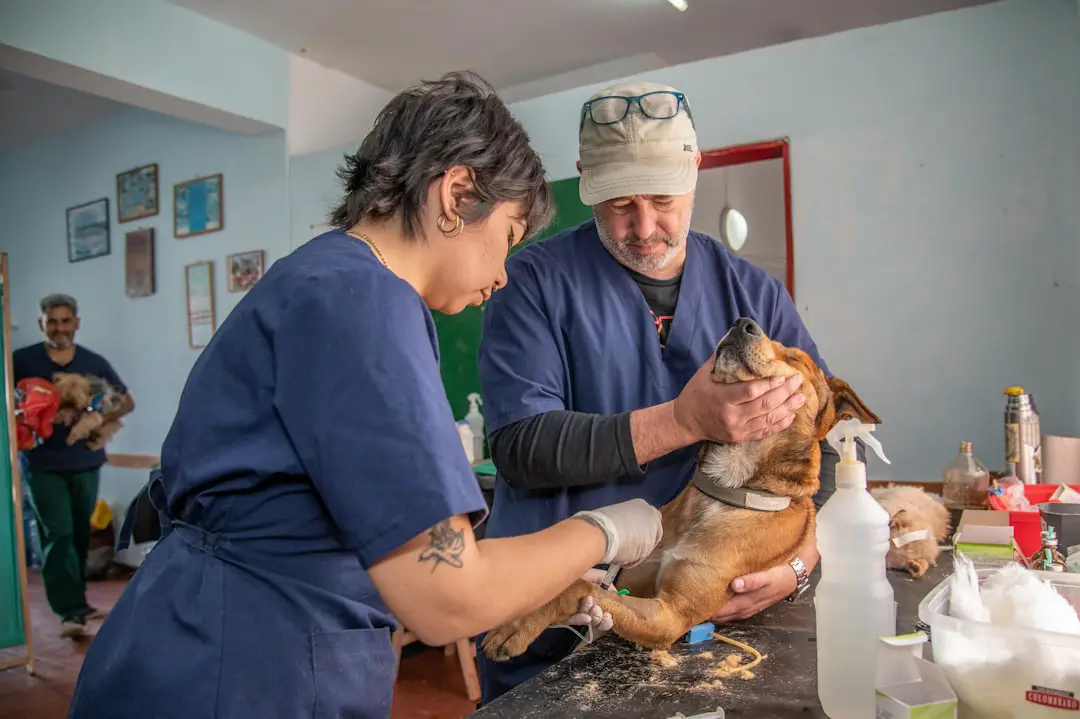
Veterinary practices are evolving rapidly, and the integration of telemedicine into practice management software has become less of a luxury and more of a necessity. Modern clinics must balance in-person care with remote consultations, client communication, digital payments, and regulatory compliance. Choosing the right software solution can significantly improve operational efficiency, patient outcomes, and client satisfaction—while future-proofing your practice.
TLDR: Veterinary practice management software with integrated telemedicine enables clinics to deliver care both in-person and remotely. The best platforms combine appointment scheduling, electronic medical records, billing, and secure video consultations in one system. This article reviews seven trusted solutions and includes a comparison chart to help practices make an informed decision. Choosing the right platform depends on clinic size, workflow complexity, and telehealth priorities.
Below are seven reputable veterinary practice management software (VPMS) solutions that offer robust telemedicine integration and comprehensive clinic management tools.
1. ezyVet
ezyVet is a cloud-based veterinary practice management system widely recognized for its scalability and advanced feature set. Designed for multi-location hospitals as well as specialty practices, it offers seamless telemedicine integration through native tools and third-party partnerships.
- Integrated telehealth modules with video consultations
- Comprehensive electronic medical records (EMR)
- Inventory and supplier management
- Advanced reporting and analytics
- Automated billing and payment processing
ezyVet’s telemedicine functionality supports real-time consultations, digital record updates, and client communication within a single interface. Its detailed analytics make it particularly well-suited for practices looking to optimize performance metrics.

2. AVImark with Telemedicine Add-Ons
AVImark, developed by Covetrus, is one of the most established names in veterinary software. While traditionally server-based, it now supports cloud-connected services and telehealth integrations.
- Customizable workflow management
- Integrated payment processing
- Telemedicine via third-party platforms
- Strong client communication tools
- Data migration and training support
AVImark is often preferred by established, small-to-mid-sized clinics that want reliable infrastructure with optional telemedicine expansion. It offers a familiar interface and robust customer support network.
3. Cornerstone by IDEXX
Cornerstone remains a cornerstone solution in veterinary clinic management. With IDEXX’s ecosystem integration, it connects diagnostic tools, laboratory services, and telemedicine components.
- IDEXX VetConnect integration
- Secure telemedicine capabilities
- Cloud-based data backup options
- Comprehensive patient record management
- Advanced imaging integration
Clinics already using IDEXX diagnostic equipment benefit from seamless interoperability. The telemedicine feature allows virtual follow-ups and triage consultations directly linked to patient files.
4. Shepherd Veterinary Software
Shepherd is a modern, cloud-native veterinary software designed with usability and transparency in mind. It includes built-in telemedicine functionality rather than relying heavily on third-party integrations.
- Unlimited training and support
- Transparent pricing model
- Integrated video consultations
- Automated SOAP notes
- Mobile-friendly interface
Shepherd is especially attractive to newer or rapidly growing practices seeking predictable pricing and intuitive design. Its telehealth features are embedded directly into its appointment workflow.
Image not found in postmeta5. Digitail
Digitail is a relatively new but fast-growing all-in-one veterinary platform. Designed as a unified system, it integrates EMR, client communication, payments, and telemedicine in a cohesive environment.
- Customizable medical notes templates
- Integrated telehealth and messaging
- Client mobile app
- Inventory and financial tracking
- Cloud-based accessibility
Digitail stands out for its client engagement features, including a pet owner app that facilitates communication and virtual care appointments. This makes it suitable for forward-looking clinics prioritizing convenience.
6. PetDesk (Integrated Solution)
PetDesk is not a full practice management system on its own but integrates with major VPMS platforms to add telemedicine and advanced client communication capabilities.
- Two-way messaging and reminders
- Integrated video consultations
- Mobile app for pet owners
- Online scheduling
- Reputation management tools
Clinics that are satisfied with their core management software but want to enhance telehealth services often choose PetDesk as a supplemental tool.
7. Provet Cloud
Provet Cloud is an internationally recognized veterinary management solution with advanced telemedicine infrastructure. It is particularly strong in multi-location and specialty care environments.
- Integrated teleconsultation tools
- Referral management workflows
- Detailed financial and KPI reporting
- Cloud-based data security
- Multi-language support
Provet Cloud is ideal for practices needing flexible telehealth consultations across multiple providers or locations. Its architecture supports scalability without compromising performance.

Comparison Chart
| Software | Cloud-Based | Built-In Telemedicine | Best For | Scalability |
|---|---|---|---|---|
| ezyVet | Yes | Yes | Multi-location & specialty | High |
| AVImark | Partial/Hybrid | Third-party integration | Established small-mid clinics | Moderate |
| Cornerstone | Hybrid | Yes | IDEXX-based practices | High |
| Shepherd | Yes | Yes | Growing modern clinics | Moderate-High |
| Digitail | Yes | Yes | Tech-forward practices | Moderate |
| PetDesk | Yes | Yes (add-on) | Clinics enhancing existing systems | High |
| Provet Cloud | Yes | Yes | Enterprise & specialty groups | High |
Key Considerations When Choosing Telemedicine-Enabled Software
When evaluating veterinary practice management software, it is critical to look beyond basic scheduling and billing features. Telemedicine functionality should align with your clinical objectives and regulatory environment.
Security and Compliance: Ensure the platform offers encrypted communication, secure data storage, and compliance with relevant veterinary telehealth regulations.
Ease of Use: Software adoption depends heavily on staff training and workflow compatibility. Intuitive user interfaces reduce friction and accelerate implementation.
Integration Ecosystem: The ability to connect laboratory systems, imaging equipment, and accounting software improves overall efficiency.
Client Experience: Telemedicine should be simple for pet owners to access, ideally through mobile apps or browser-based platforms without complex downloads.
Scalability: Growing practices must ensure that their chosen system can manage additional providers, locations, and appointment volume over time.
The Growing Importance of Telemedicine in Veterinary Care
Telemedicine enhances veterinary accessibility, enabling follow-up consultations, behavioral assessments, post-surgical check-ins, and triage evaluations without requiring physical visits. It improves continuity of care while reducing no-show rates and increasing client satisfaction.
Importantly, telemedicine does not replace in-clinic assessments but complements them. Practices that implement hybrid care models often report stronger client relationships and improved operational efficiency.
As the veterinary industry continues to embrace digital transformation, integrating telehealth capabilities into practice management software is no longer optional—it is a strategic investment. Clinics that select the right software platform position themselves for sustainable growth, higher client retention, and optimized patient care delivery.
Careful evaluation, pilot testing, and consultation with staff members can help ensure a smooth transition. By prioritizing secure, scalable, and client-friendly solutions, veterinary practices can confidently move into the next generation of modern animal healthcare.