
As organizations modernize their digital infrastructure, choosing the right backend and content management system (CMS) becomes a strategic decision rather than a purely technical one. While Payload Cloud has gained attention for its developer-focused approach and headless architecture, it is not the only option companies evaluate. Enterprise leaders and engineering teams often explore alternatives based on scalability, ecosystem maturity, pricing flexibility, compliance requirements, and integration capabilities.
TLDR: Companies that consider alternatives to Payload Cloud typically prioritize scalability, ecosystem support, enterprise readiness, and integration flexibility. Popular options include Strapi, Contentful, Sanity, Directus, and Firebase. Each platform differs in hosting model, extensibility, pricing structure, and ideal use case. Careful evaluation of long-term growth, security, and developer experience is essential before choosing a backend and CMS solution.
Below are five trusted platforms companies frequently consider instead of Payload Cloud, along with their core strengths and practical use cases.
1. Strapi
Strapi is an open-source, headless CMS that offers flexibility and strong community support. It appeals to organizations that want customization and self-hosting capabilities without being locked into a proprietary infrastructure.
Image not found in postmetaWhy Companies Choose Strapi
- Open-source extensibility: Full control over code and architecture.
- Self-hosted or cloud options: Deploy on your own infrastructure or use Strapi Cloud.
- Strong plugin ecosystem: Wide integration support with payment systems, authentication providers, and analytics tools.
- Custom APIs: Automatically generated REST and GraphQL APIs.
Strapi is particularly well-suited for companies that require regulatory compliance or data sovereignty since it allows complete hosting control. Development teams appreciate its familiar Node.js environment and customizable admin panel.
Best for: Mid-sized businesses and enterprises needing flexibility and internal control over infrastructure.
2. Contentful
Contentful is a SaaS-based headless CMS widely adopted by enterprise organizations. It emphasizes scalability, localization, and structured content modeling for omnichannel distribution.
Why Companies Choose Contentful
- Enterprise-grade reliability: Global CDN and high availability architecture.
- Advanced localization: Built-in support for multinational content strategies.
- Role-based workflows: Fine-grained permission systems.
- Extensive marketplace: Integrations with major marketing and business systems.

Enterprises often select Contentful because it reduces operational overhead. There is no need to manage servers or perform updates manually. Its API-first structure makes it ideal for teams building websites, mobile apps, IoT interfaces, and digital displays from a single content repository.
Best for: Large enterprises and global brands managing complex, multi-channel content operations.
3. Sanity
Sanity offers a fully customizable, real-time headless CMS with structured content flexibility. Its “content as data” philosophy makes it especially attractive for product-driven companies that need dynamic schema design.
Why Companies Choose Sanity
- Real-time collaboration: Multiple users can edit simultaneously.
- Highly customizable studio: Developers tailor the editing interface to exact requirements.
- Structured content focus: Ideal for highly reusable content systems.
- Scalable content lake: Centralized storage designed for omnichannel usage.
Sanity stands out for its developer-centric tooling combined with editorial flexibility. Companies building modern web applications with React, Vue, or Next.js often find Sanity aligns well with their frontend frameworks.
Best for: Digital-first organizations with strong frontend engineering teams and dynamic content needs.
4. Directus
Directus is an open-source data platform that wraps around SQL databases to provide instant APIs and app interfaces. Unlike traditional CMS platforms, Directus operates directly on your database without abstracting or replacing it.
Why Companies Choose Directus
- Database-first design: Works with existing SQL schemas.
- No vendor lock-in: You retain full database ownership.
- Granular role permissions: Strong governance controls.
- Open-source transparency: Community-driven innovation.
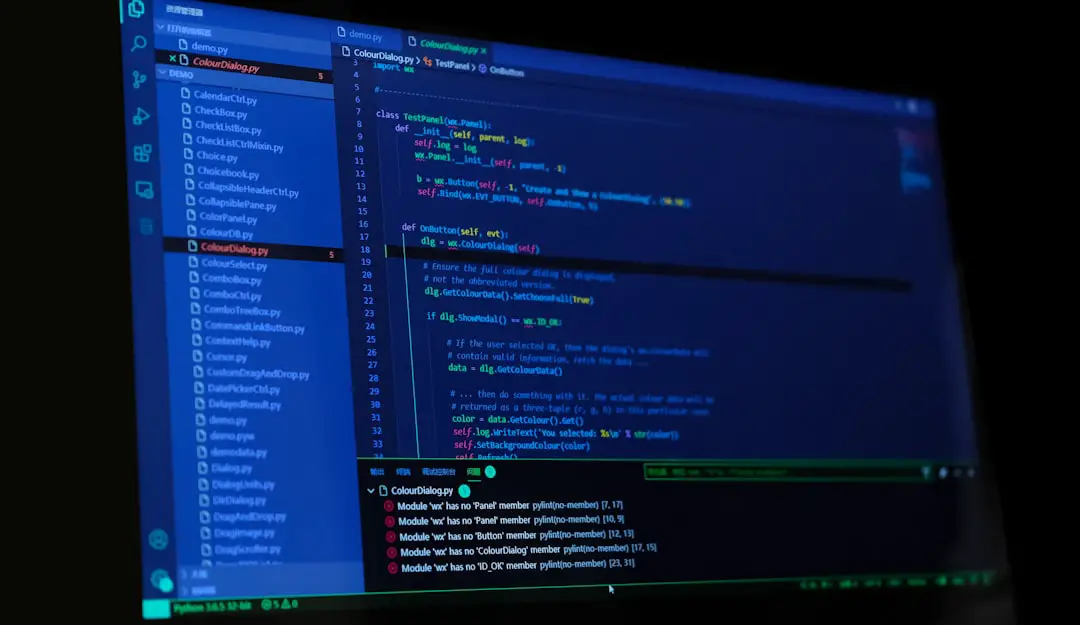
Organizations considering Directus often prioritize transparency and database-level control. Teams migrating from legacy systems appreciate that it integrates without requiring a complete data overhaul.
Best for: Companies with established database infrastructure seeking API enablement and CMS features.
5. Firebase
Firebase, operated by Google, is not a traditional CMS but a backend-as-a-service (BaaS) platform. Many companies evaluating Payload Cloud consider Firebase if their focus is real-time data, mobile applications, or serverless architecture.
Why Companies Choose Firebase
- Real-time database and Firestore: Live data synchronization.
- Managed infrastructure: Fully serverless environment.
- Strong authentication tools: Simplified user management.
- Deep integration with Google Cloud: Scalable and enterprise-ready.
Firebase streamlines backend development but may require pairing with a separate CMS for structured content management. However, for mobile-first companies or SaaS startups needing rapid deployment, it offers a highly efficient solution.
Best for: Startups, SaaS platforms, and mobile applications requiring real-time capabilities.
Comparison Chart
| Platform | Hosting Model | Open Source | Ideal Company Size | Key Strength |
|---|---|---|---|---|
| Strapi | Self-hosted or Cloud | Yes | Mid-size to Enterprise | Flexibility and customization |
| Contentful | SaaS | No | Enterprise | Global scalability and localization |
| Sanity | Cloud with local studio | Partially | Digital-first teams | Structured content modeling |
| Directus | Self-hosted or Cloud | Yes | Mid-size to Enterprise | Database-first approach |
| Firebase | SaaS | No | Startups to Enterprise | Real-time backend services |
Key Factors to Consider When Evaluating Alternatives
When companies evaluate alternatives to Payload Cloud, they typically assess the following criteria:
- Scalability: Can the system handle increased traffic and content complexity over time?
- Security and Compliance: Does it meet industry regulations such as GDPR, HIPAA, or SOC 2?
- Integration Capability: Does it integrate seamlessly with CRMs, analytics tools, and marketing platforms?
- Total Cost of Ownership: Includes hosting, development, maintenance, and licensing fees.
- Developer Experience: Clear documentation, API flexibility, and ease of customization.
While Payload Cloud offers a modern developer experience, each alternative presents a distinct architectural philosophy. For example, Strapi and Directus emphasize open-source flexibility, while Contentful focuses on enterprise SaaS reliability. Firebase prioritizes backend efficiency, and Sanity emphasizes structured content collaboration.
Final Thoughts
Selecting a backend and CMS platform is a foundational decision that affects product velocity, operational cost, and long-term scalability. Organizations considering alternatives to Payload Cloud are not necessarily replacing shortcomings; rather, they are aligning technology with strategic priorities.
There is no universally superior platform—only the one that best fits your business model, compliance requirements, and technical roadmap.
Companies with internal DevOps capacity may lean toward open-source solutions like Strapi or Directus. Global brands managing multi-language campaigns often prefer Contentful. Product-centric and frontend-heavy teams gravitate toward Sanity. High-growth startups frequently find Firebase’s real-time backend advantageous.
Ultimately, a successful backend and CMS decision requires balancing flexibility, governance, developer productivity, and future scalability. Conducting pilot implementations, assessing integration complexity, and projecting infrastructure costs over several years will provide a more accurate picture than feature lists alone.
In a rapidly evolving digital environment, the right choice is one that not only supports current operations—but also enables growth, innovation, and resilience.